How to draw a dandelion - a free dandelion drawing guide
Draw a dandelion with stem, petals, and floating seeds using pencil and paper. Practice shading and simple lines to create a realistic seed head.


Drawing Apps
Photos of dandelion drawing examples
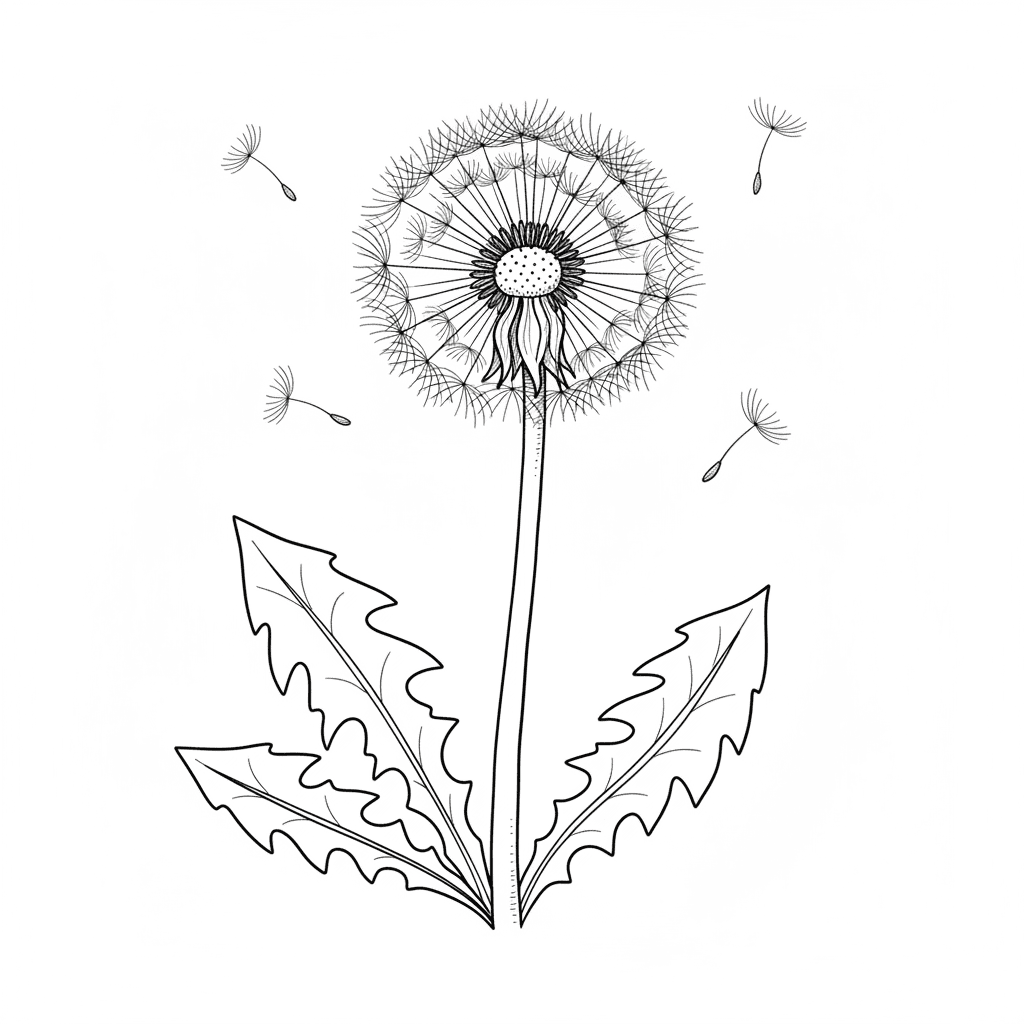
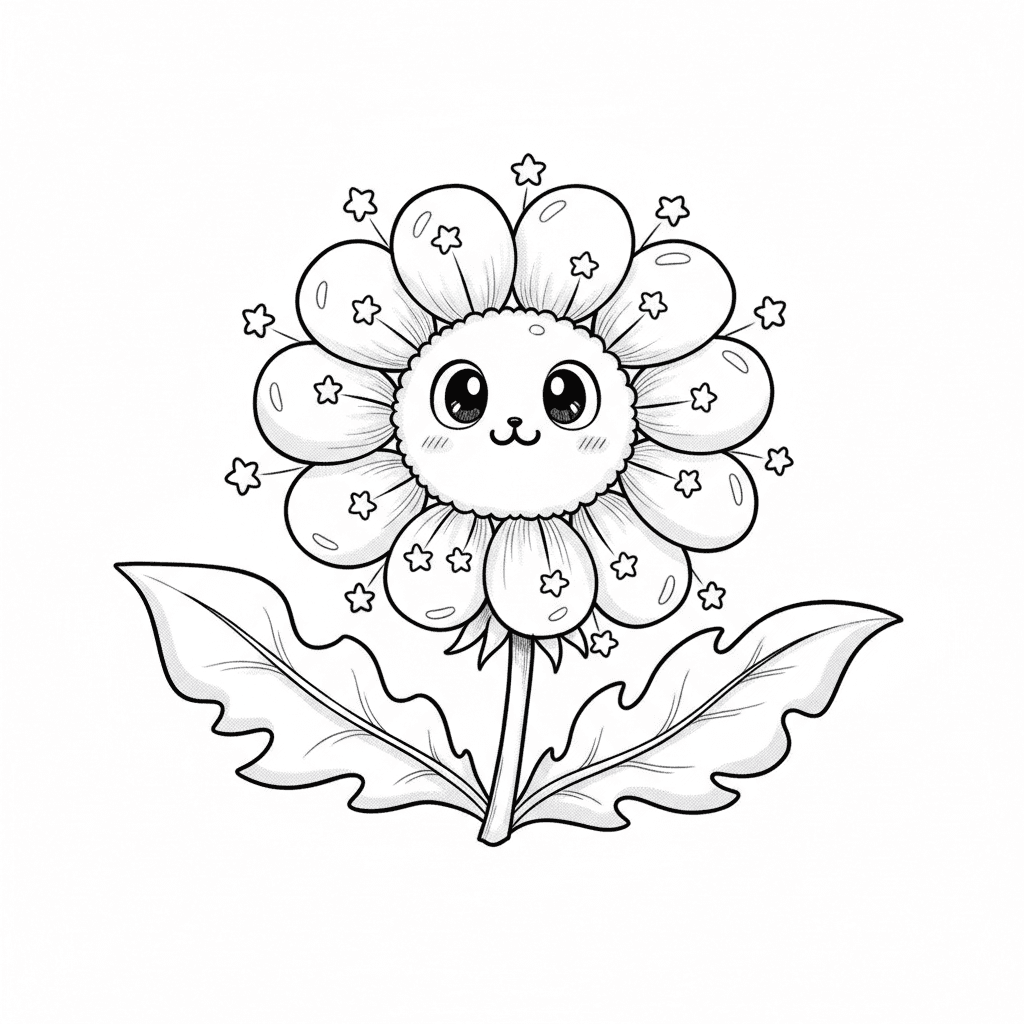
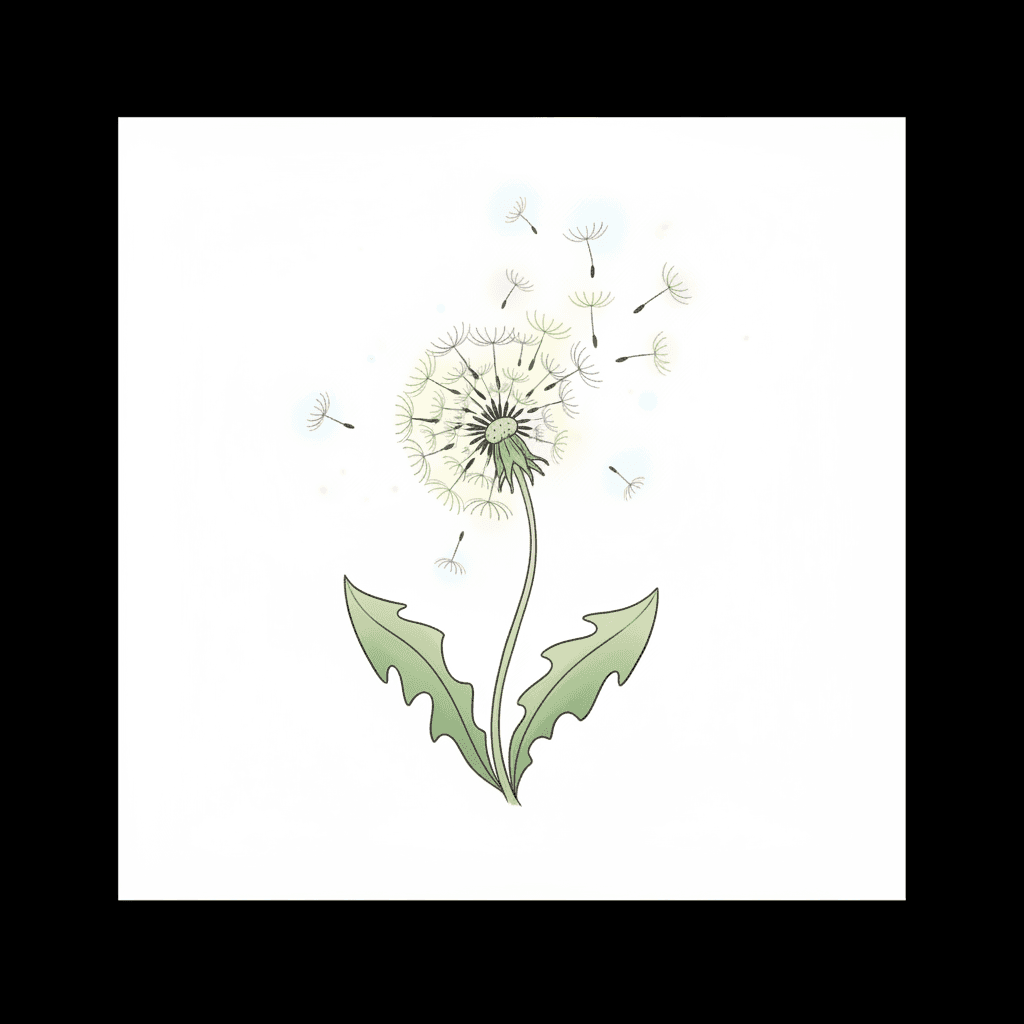
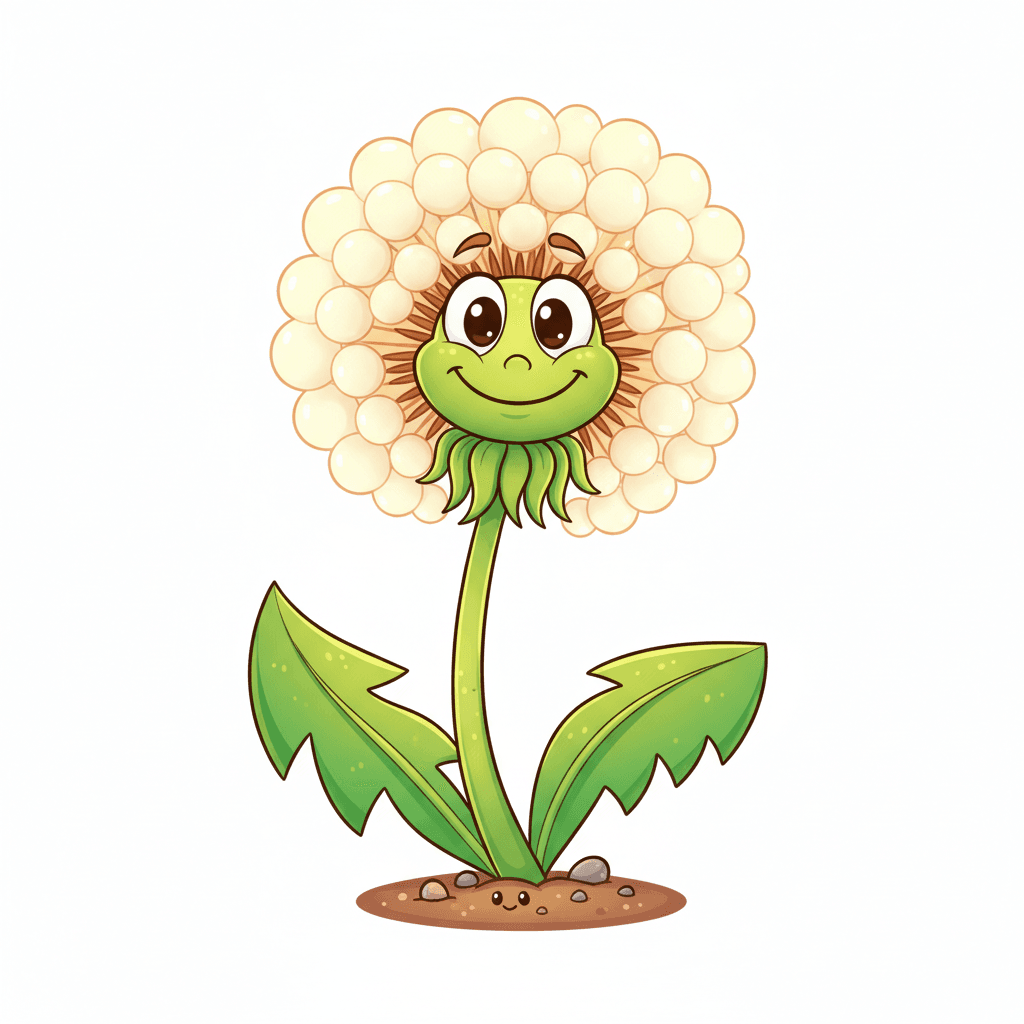
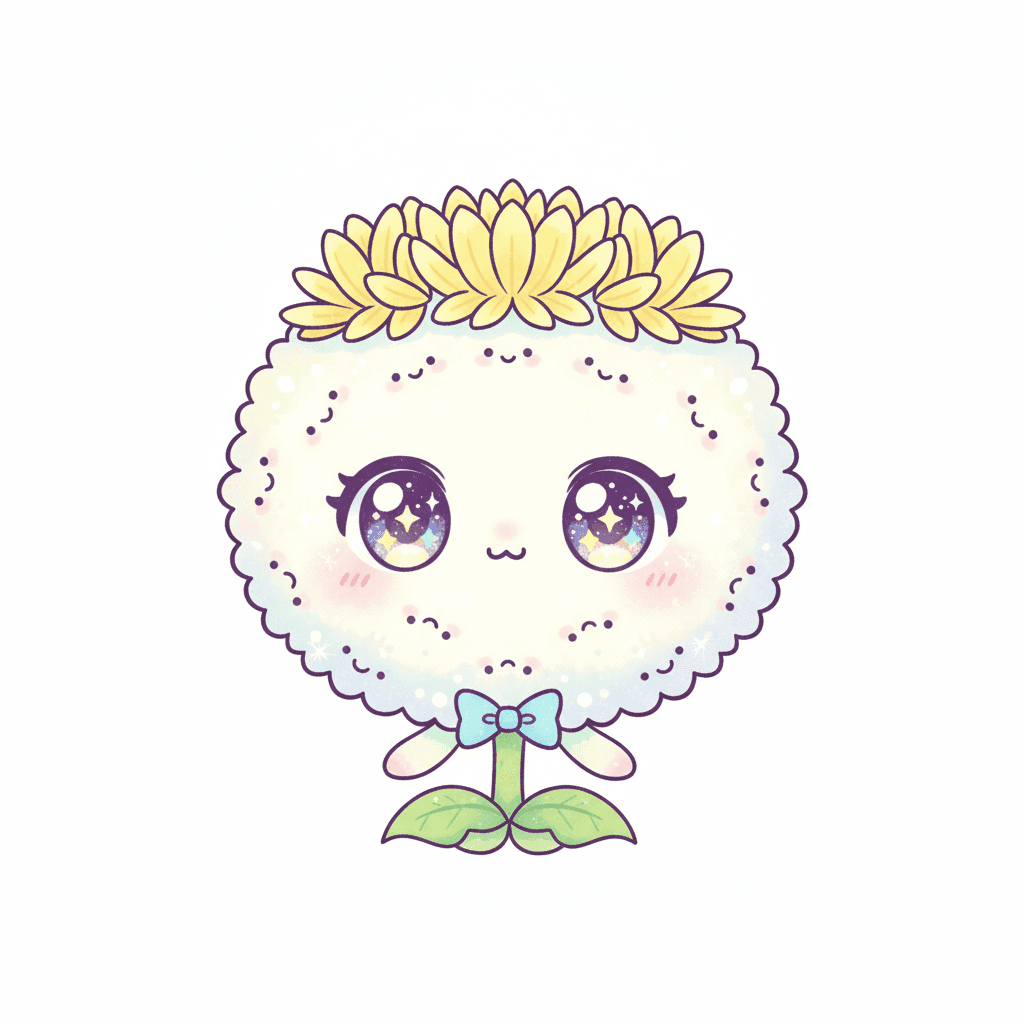

Step-by-step guide to draw a dandelion
How To Draw A Dandelion Step By Step | Dandelion Drawing EASY
Step 1
Place your paper on a flat surface.
Step 2
Pick up your pencil and lightly sketch a circle near the top of the paper to mark the dandelion seed head.
Step 3
Draw a straight vertical line from the bottom of the circle down toward the edge of the paper to make the stem.
Step 4
Put a small dot in the center of the circle to mark the seed cluster center.
Step 5
From the center dot draw many thin straight lines outward until they meet the circle edge to make the seed stalks.
Step 6
At the tip of each thin line draw a tiny parachute shape or small V to make the seed tips.
Step 7
Carefully erase the outer circle guideline so only the stalks and parachutes remain.
Step 8
Add short pencil strokes and shade the area near the center darker to give the seed head depth.
Step 9
Use a tissue or cotton swab to gently blend the shading outward so it looks soft and fuzzy.
Step 10
Draw a few floating seeds drifting away by sketching short curved lines with tiny parachutes at the ends.
Step 11
Lightly shade each floating seed’s parachute with quick gentle strokes to make them look three dimensional.
Step 12
Share your finished dandelion drawing on DIY.org.
Help!?
What can we use if we don't have a tissue or cotton swab to blend the shading?
If you don't have a tissue or cotton swab to gently blend the shading near the seed head, use a clean fingertip, a small piece of soft cloth, or a kneaded eraser to softly smudge the short pencil strokes outward.
My thin stalks look messy when I erase the outer circle—how can I fix that?
If erasing the outer circle guideline smudges or removes stalks, first darken each stalk and parachute tip lightly with your pencil, then lift the guideline with a kneaded eraser or erase in small, careful strokes so the stalks remain intact.
How should we adapt the steps for younger or older kids?
For younger children, give a pre-drawn circle and have them draw the stem and big V parachutes with a marker and skip blending, while older kids should follow the pencil steps, add short strokes and tissue blending, and increase depth by shading more around the center dot.
How can we enhance or personalize the drawing before sharing it on DIY.org?
To personalize the drawing, add a soft watercolor wash or colored-pencil sky behind the seed head, lightly color each parachute for dimension, or glue a tiny cotton tuft at the center for texture before photographing it to share on DIY.org.
Watch videos on how to draw a dandelion
How to Draw a Dandelion - In just 15 Easy Steps
4 Videos
How to Draw a Dandelion - In just 15 Easy Steps

How to draw Dandelion for Beginners (very easy)
🌼 How to Draw a Dandelion - Step-by-Step Drawing for Kids & Beginners
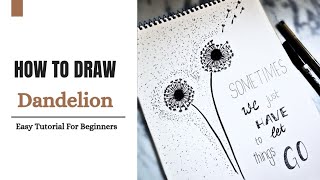
How To Draw Dandelion - EAST Tutorial For Beginners Step By Step
Facts about pencil drawing and shading
🌬️ A single dandelion "clock" often holds over 100 tiny seeds ready to float away.
🎨 Botanical illustrators have drawn plants for centuries to help scientists identify species using careful shading and detail.
✏️ Pencil shading tricks like hatching, cross-hatching, and blending can turn flat lines into realistic texture and depth.
🌱 The common dandelion (Taraxacum officinale) is entirely edible — people use the leaves, flowers, and roots in salads and teas.
🛰️ Dandelion seeds are so light they can ride air currents and have been tracked traveling dozens to even hundreds of kilometers.
How do I draw a realistic dandelion step by step?
What materials do I need to draw a dandelion with pencil and paper?
What ages is drawing a dandelion suitable for?
What are the benefits, safety tips, and variations for this dandelion drawing activity?
