How to draw a carrot - a free carrot drawing guide
Draw a bright carrot using simple shapes, outline, shading, and colored pencils. Practice observation, proportion, and texture techniques step-by-step to create realistic results.


Drawing Apps
Photos of carrot drawing examples
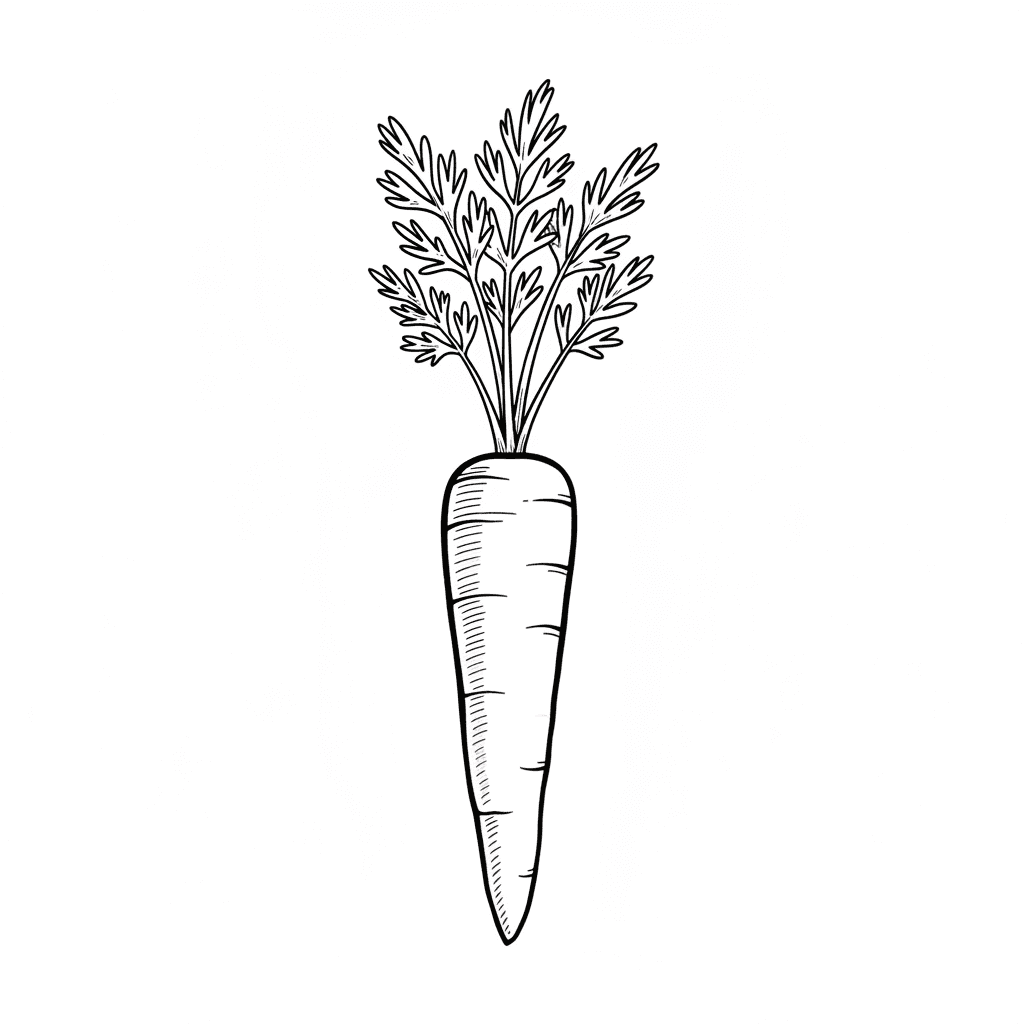
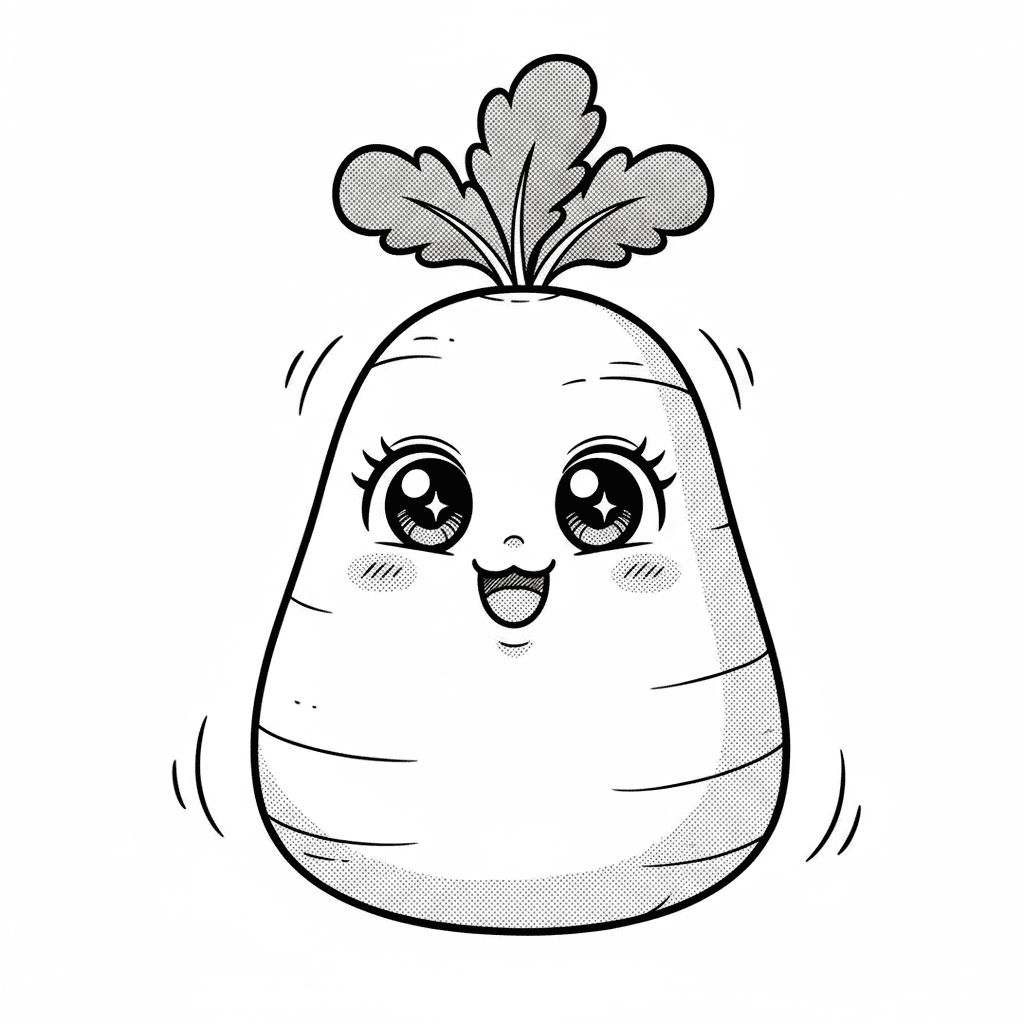
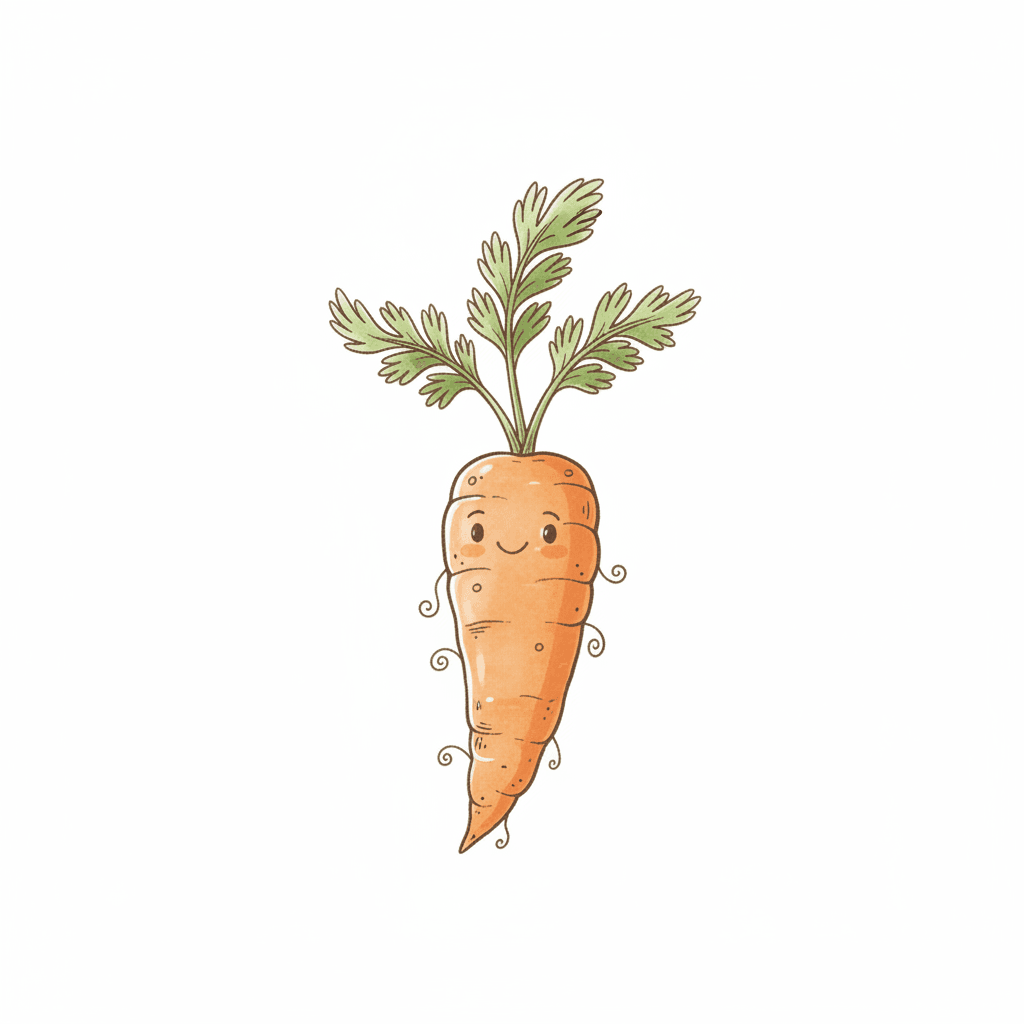
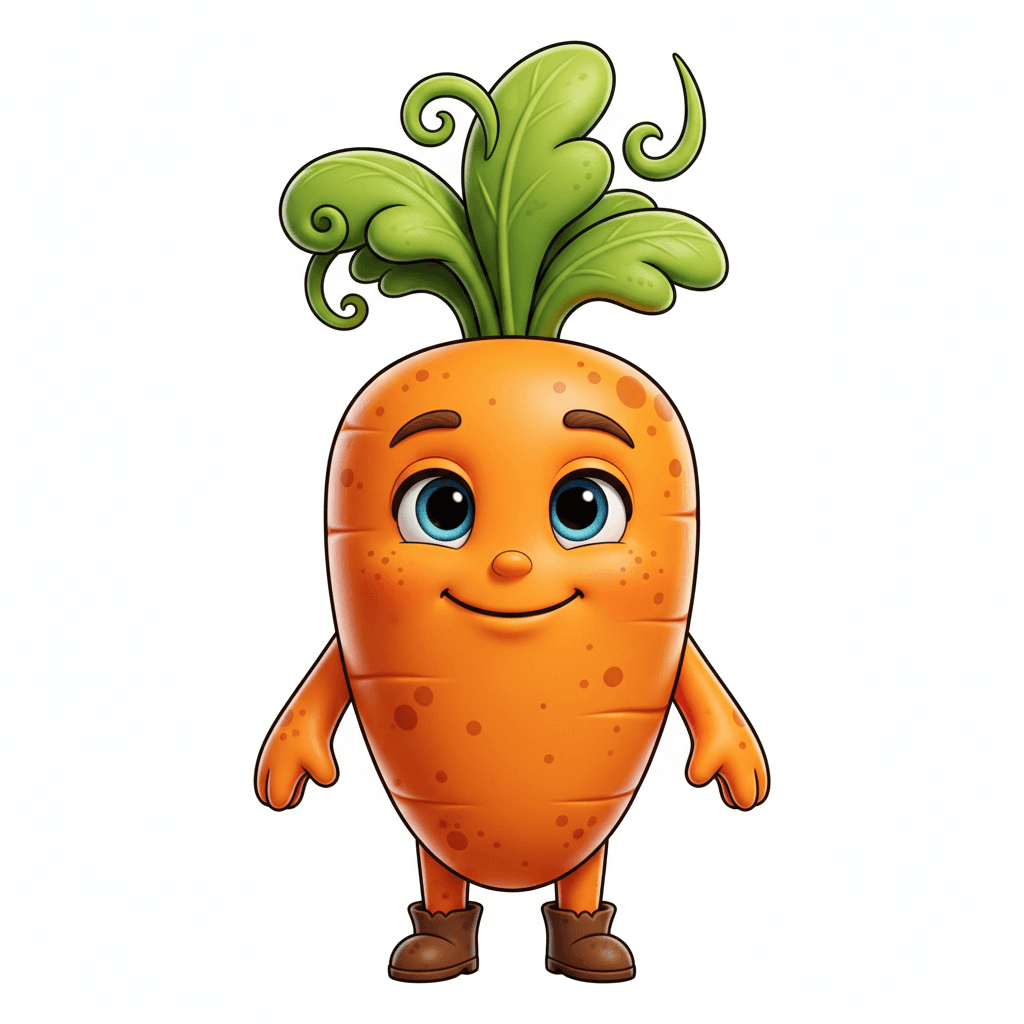
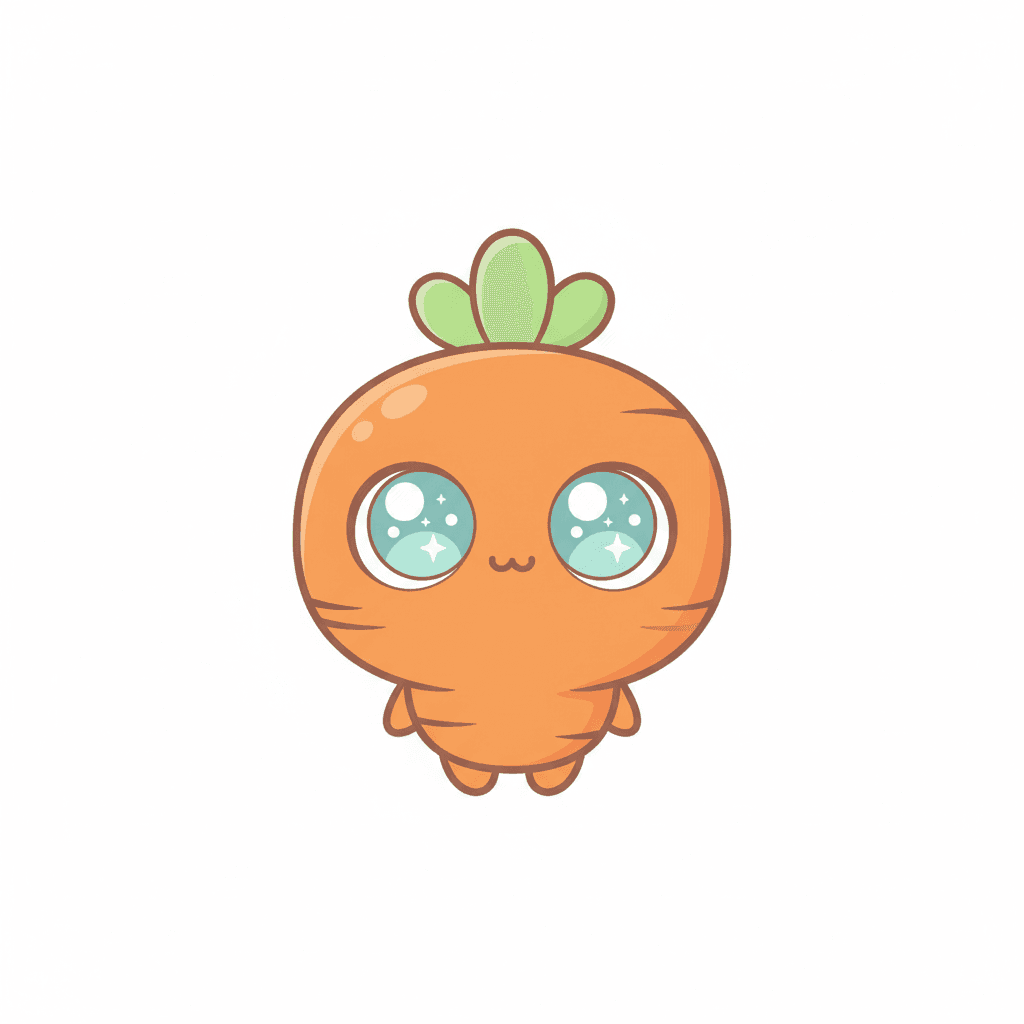
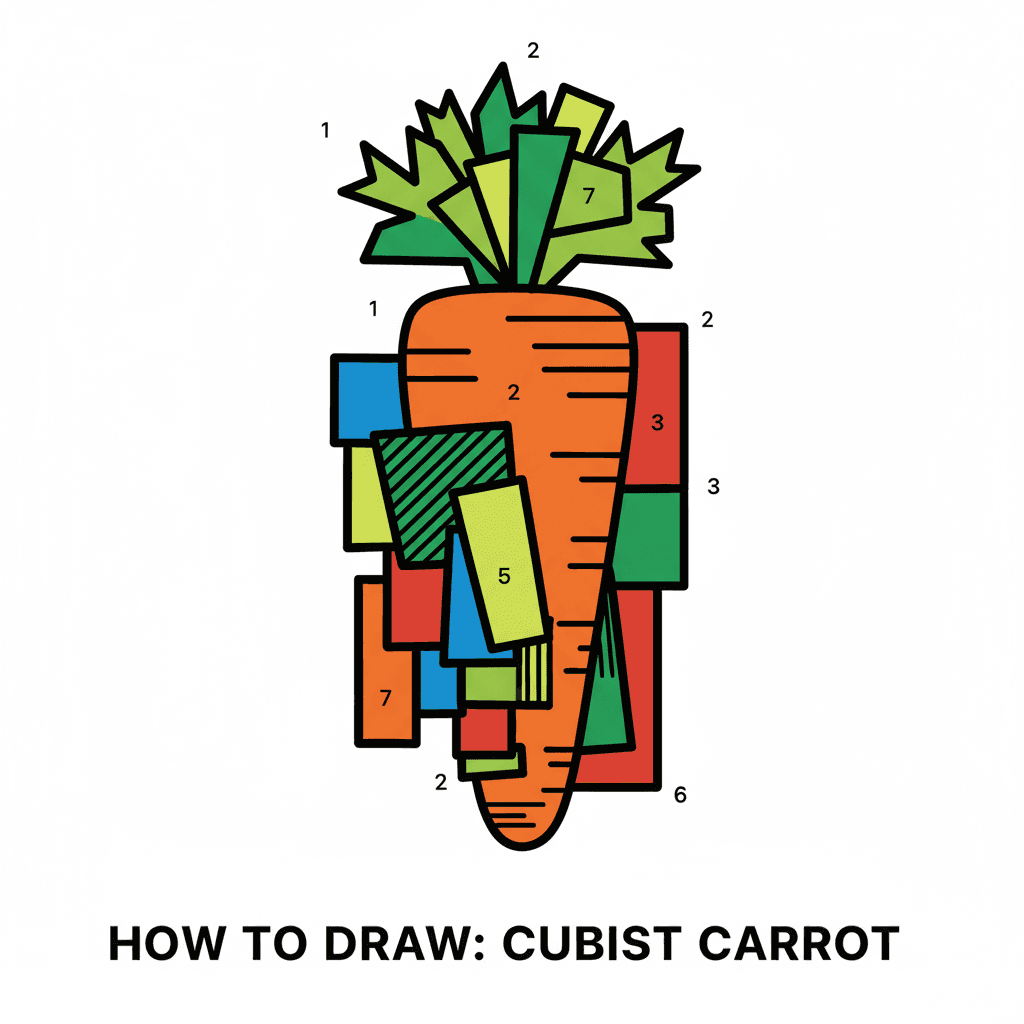
Step-by-step guide to draw a carrot
How to Draw a Cute Easy Carrot for Kids Step by Step tutorial
Step 1
Look closely at a real carrot or a clear picture and notice its long tapered shape and leafy top.
Step 2
Lightly draw the carrot's basic shape as a long rounded triangle or cone in the center of your paper.
Step 3
Sketch the leafy top using several curved leaf shapes coming out of the wide end.
Step 4
Draw faint guide lines: a center line from top to tip and one horizontal line where the carrot begins to taper.
Step 5
Smooth and refine the outer contour so the carrot shape looks natural and rounded.
Step 6
Erase any heavy sketch marks you do not need anymore.
Step 7
Add small curved ridge lines along the body to show the carrot's texture.
Step 8
Shade the carrot with your pencil to show roundness by making one side slightly darker.
Step 9
Color the carrot base with orange colored pencil using light strokes that follow the carrot's curve.
Step 10
Deepen the shadow areas with a darker orange or brown colored pencil.
Step 11
Add a brighter yellow or light orange on the side that catches light to create a highlight.
Step 12
Color the leafy top with a light green base using gentle strokes.
Step 13
Add darker green at the base of the leaves and along veins to show depth and shadow.
Step 14
Use your eraser or a white colored pencil to lift tiny highlights and finish small details.
Step 15
Share your finished carrot drawing on DIY.org.
Help!?
I don't have orange or green colored pencils—what can I use instead for the 'Color the carrot base' and 'Color the leafy top' steps?
If you don't have orange, green, or a white colored pencil, substitute orange and green crayons, markers, or watercolor paints for the 'Color the carrot base' and 'Color the leafy top' steps and use a white crayon or a tiny dab of white paint to lift the 'tiny highlights' step.
My carrot looks flat after shading—which steps and materials should I adjust so it looks round like in the instructions?
If the carrot looks flat, follow the 'Shade the carrot' and 'Deepen the shadow areas' steps by darkening one side with a darker orange or brown colored pencil, then add the brighter yellow or light orange highlight on the opposite side and blend strokes along the carrot's curve to emphasize roundness.
How can I adapt the activity for a 4-year-old and a 10-year-old using the same instructions?
For a 4-year-old, simplify the 'Lightly draw the carrot's basic shape' step to tracing a big rounded triangle and let them color with crayons for 'Color the carrot base' and 'Color the leafy top,' while a 10-year-old can add the 'small curved ridge lines,' layered shading with darker orange/brown, and lift highlights with a white colored pencil for extra realism.
What are creative ways to extend or personalize the drawing before I 'Share your finished carrot drawing on DIY.org'?
Extend the activity by drawing a whole carrot patch with carrots at different angles, add a dirt background and blended shadows using darker browns from the 'Deepen the shadow areas' step, vary the leaf greens and veins, and sign or decorate the border before sharing on DIY.org.
Watch videos on how to draw a carrot
How to draw an easy carrot 🥕/ Step by step carrot drawing for kids / Fun and education
4 Videos
How to draw an easy carrot 🥕/ Step by step carrot drawing for kids / Fun and education
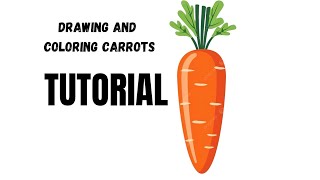
"How to Draw and Color a Carrot Step by Step 🥕"
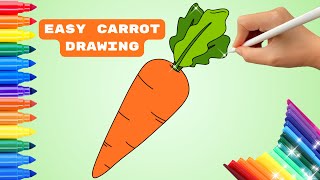
How to Draw a Carrot Step by Step | Drawing Tutorial from Doodle with Dotty
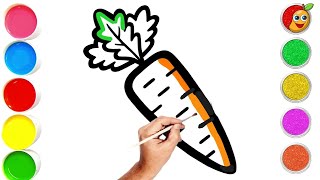
Carrot And 3 More Vegetables Drawing Easy Step By Step For Kids And Toddlers
Facts about drawing and shading techniques
🥕 Carrots come in many colors — orange, purple, yellow, red, and white; orange carrots were bred by Dutch growers in the 1600s.
✏️ Colored pencils date back to the early 1800s; modern artist-grade sets can include 120–150+ colors for subtle blending.
🎨 Just three shading values (light, mid, dark) are often enough to make a flat carrot look round and 3D on paper.
👀 Artists use a simple sighting trick — hold a pencil at arm's length to compare sizes and angles for accurate proportions.
🌿 Tiny texture marks (short lines or dots) plus a soft highlight make a carrot look crisp, bumpy, and realistic.
How do I draw a realistic carrot step by step?
What materials do I need to draw a carrot?
What ages is drawing a carrot suitable for?
What are the benefits of drawing a carrot for kids?
