Grow plants in a container
Grow edible herbs or flowers in a small container using soil, seeds, watering, and sunlight; observe growth, measure changes, and care for the plants.
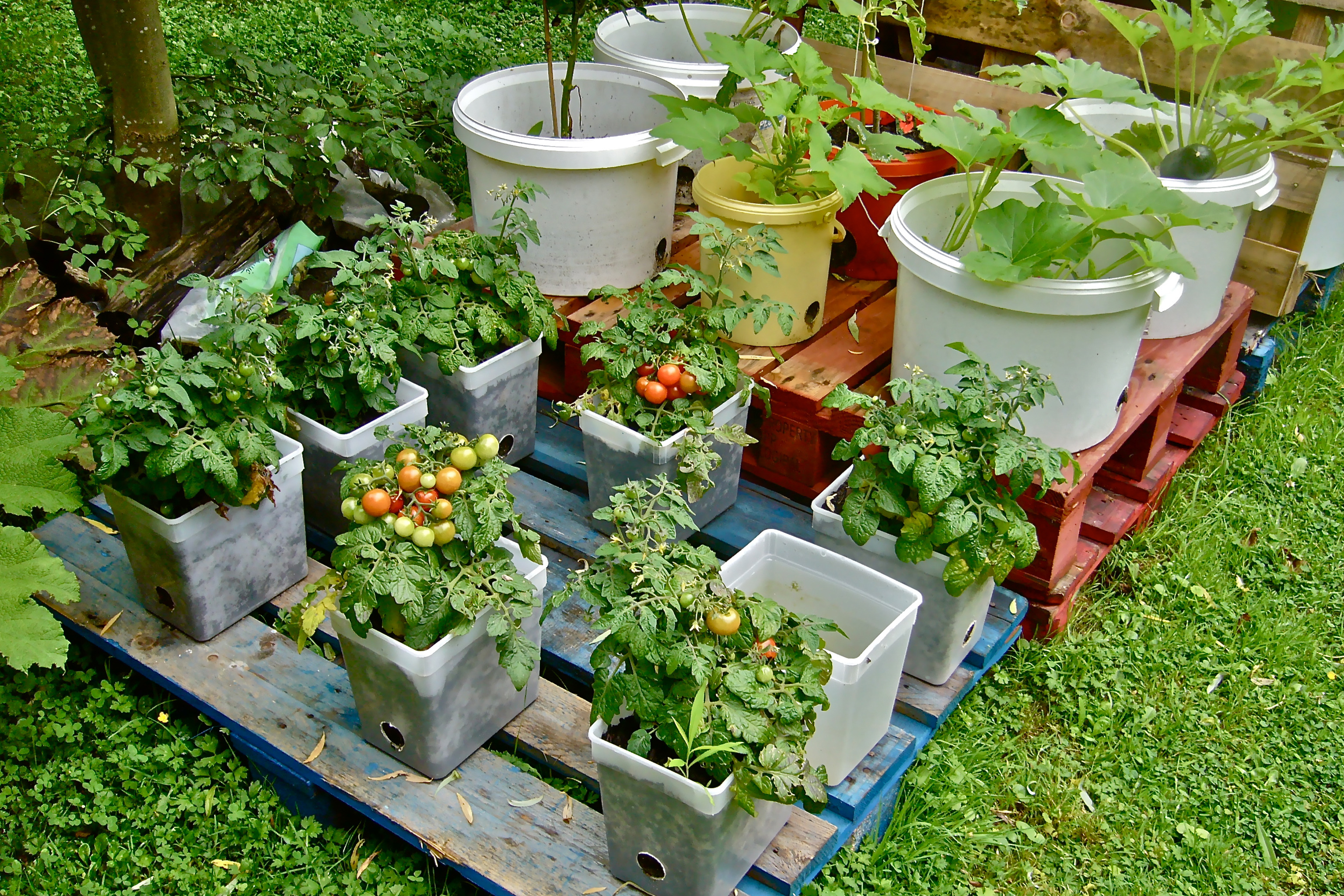
About this activity
Grow edible herbs or flowers in a small container using soil, seeds, watering, and sunlight; observe growth, measure changes, and care for the plants.
What you need
Step by step
- 1
Step 1
Pick a small container that already has drainage holes.
- 2
Step 2
Put a tray or saucer under the container to catch extra water.
- 3
Step 3
Fill the container with potting soil leaving about 1 inch of space at the top.
- 4
Step 4
Check the seed packet for the correct planting depth and spacing.
- 5
Step 5
Make small holes in the soil at the depth the packet says using your finger or a spoon.
- 6
Step 6
Place seeds into the holes one at a time or sprinkle them as the packet tells you.
- 7
Step 7
Cover the seeds with a thin layer of soil and press gently to remove large air pockets.
- 8
Step 8
Water the soil lightly until it feels evenly moist but not soggy.
- 9
Step 9
Write the seed name and today’s date on a label and stick it into the pot.
- 10
Step 10
Put the pot in a sunny spot that gets several hours of light each day.
- 11
Step 11
Check the soil daily and water whenever the top inch feels dry.
- 12
Step 12
When seedlings appear measure the tallest seedling with the ruler and write the date and height in your notebook once a week.
- 13
Step 13
When the plants are big enough carefully pinch or snip a few leaves to taste and continue regular care.
- 14
Step 14
Share your finished creation on DIY.org.
Fun facts
How do I grow edible herbs or flowers in a small container with my child?
Start by choosing a small container with drainage and fill it with seed-starting or potting mix. Help your child sow seeds or plant tiny seedlings at the depth listed on the packet, then gently water until moist. Place the pot in a sunny spot and check daily. Measure height and leaf counts weekly, record observations with a ruler and notebook or photos. Thin crowded seedlings and teach gentle watering and harvesting to build routine care.
What materials do I need to grow herbs or edible flowers in a container?
You’ll need a small container with drainage, seed-starting or potting soil, and seeds or small edible seedlings (basil, chives, parsley, nasturtium). Add a hand trowel or spoon, a watering can or spray bottle, plant labels and a marker, plus a ruler and notebook for observations. Optional items include gloves, a tray to catch water, and organic fertilizer. Use pesticide-free materials and child-safe tools for a healthy, hands-on project.
What ages is container herb and edible flower growing suitable for?
This activity suits toddlers through teens with age-appropriate roles. Toddlers (2–4) can pour pre-measured soil, water with a cup, and touch leaves under supervision. Preschool and early school age (4–7) can help plant seeds, label pots, and measure growth with help. Ages 7–11 can record measurements and care more independently. Ages 12+ can plan planting schedules and troubleshoot pests. Always supervise young children and handle tools safely.
What are the benefits and safety tips for kids growing edible herbs and flowers?
Growing edible plants teaches science, responsibility, sensory exploration, and healthier eating habits while improving fine motor skills and observation. Safety tips: plant only known edible varieties, buy food-safe soil free of pesticides, supervise children with small seeds and tools, wash hands after handling soil, and check for plant allergies. To vary the activity, try different containers, make tea blends, or press flowers for crafts to extend learning and fun.
Watch & Learn
Need help?
What can we use if we don't have a container with drainage holes or store-bought potting soil?
If you don't have a container with drainage holes or potting soil, punch holes in a clean yogurt cup or tin and fill it with a mix of garden soil, compost, and a little sand to complete the 'Fill the container with potting soil' step.
My seeds aren't sprouting or the soil is staying soggy—what should I check?
If seeds don't sprout or the soil stays soggy after 'Water the soil lightly', make sure the container actually has open drainage holes, reduce how much you water, and confirm you planted at the depth on the 'Check the seed packet for the correct planting depth' step.
How can we change this activity for a 4-year-old versus a 10-year-old?
For a 4-year-old, have an adult pre-fill the pot and guide them to 'Make small holes' and 'Place seeds' while they stick the label and water, and for a 10-year-old, turn the 'measure the tallest seedling with the ruler and write the date and height in your notebook once a week' instruction into a comparative experiment on light, spacing, or soil types.
How can we make the project more fun or scientific after the plants start growing?
Enhance the activity by decorating the pot before you 'Put the pot in a sunny spot', keeping a colorful weekly growth chart tied to the 'measure the tallest seedling' step, trying different seed varieties to compare growth, and finally sharing photos and results on DIY.org.