Go scuba diving
Learn snorkeling skills with mask, snorkel, and fins while observing shallow-water plants and animals safely, under adult supervision in calm water.


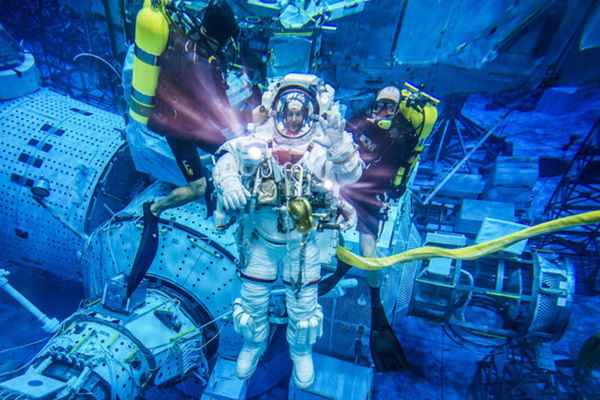

Step-by-step guide to go scuba diving
8 Basic Scuba Diving Skills for Beginners I Wish I Knew Before Starting My PADI Open Water Diver! 😮
Step 1
Put on your swimwear.
Step 2
Apply sunscreen to all skin that will be in the sun.
Step 3
Put on your mask.
Step 4
Ask an adult to check the mask seal and strap fit.
Step 5
Clip the snorkel to your mask.
Step 6
Put the snorkel mouthpiece in and practice slow breaths while standing.
Step 7
Put on your fins with an adult's help.
Step 8
Enter calm shallow water while holding the pool edge or an adult's hand.
Step 9
Float face-down with adult support and breathe through your snorkel.
Step 10
Gently kick with your fins and look down to observe plants and animals without touching them.
Step 11
If water enters your snorkel lift your head above the surface.
Step 12
Blow out hard through the snorkel to clear the water while above the surface.
Step 13
Signal the adult immediately if you feel tired or need help.
Step 14
Exit the water with adult help and remove your gear.
Step 15
Share your finished snorkeling adventure on DIY.org.
Help!?
What can I use if I can't find a separate snorkel, mask, clip, or fins?
If you don't have a separate mask and snorkel or a snorkel clip, use a well-fitting full-face snorkel mask as a substitute, and if fins are unavailable wear snug water shoes or short fins and stay in calm shallow water while holding the pool edge as in step 8.
My mask keeps leaking—what should I check or do before entering the water?
If your mask leaks follow step 4 and have an adult re-check the mask seal and strap fit, press the mask skirt to your face, remove any hair caught under the seal, and retest on land before entering the water.
How should I adapt this snorkeling activity for very young children or older kids?
For younger children shorten sessions, keep them in calm shallow water with an adult holding their hand as in step 8 and use a flotation vest while practicing slow breaths from step 6, whereas older kids can work on independent face-down floats from step 9, clearing the snorkel in step 12, and observing plants and animals from farther out.
How can we extend or personalize the snorkeling adventure after we finish?
Enhance the activity by making a waterproof observation checklist of plants and animals to spot while looking down without touching as in step 10, taking photos with a waterproof camera, decorating non-lens parts of your gear, and sharing the finished snorkeling adventure on DIY.org as in step 14.
Watch videos on how to go scuba diving
What Scuba Diving Is REALLY Like for Beginners
4 Videos
What Scuba Diving Is REALLY Like for Beginners
Learn how to scuba dive | The 5 essential diving skills
![How to start Scuba Diving [Complete Beginners]](https://img.youtube.com/vi/afyBG5wNpzI/mqdefault.jpg)
How to start Scuba Diving [Complete Beginners]
PADI Open Water: How to Scuba Dive in 5 Minutes
Facts about snorkeling for kids
🐠 Many colorful reef fish and small creatures live in shallow water — tide pools and seagrass beds hide lots of surprises you can spot while snorkeling.
🌿 Seagrass meadows are coastal nurseries that support thousands of baby fish and also help store carbon from the atmosphere.
🤿 Snorkeling is easier to learn than scuba diving because you stay near the surface and breathe through a snorkel instead of carrying tanks.
🦀 Tiny animals like hermit crabs, sea stars, and anemones are common in shallow spots — it's best to watch them without touching so we don't hurt them.
🛟 Always snorkel with a buddy and adult supervision in calm water — that simple safety rule makes the activity much safer and more fun.
How do I teach my child to snorkel safely while observing shallow-water plants and animals?
What materials do I need for a child learning snorkeling in shallow water?
What ages is snorkeling in shallow water suitable for?
What safety precautions should parents take when kids snorkel?
