Fire a clay piece
Under adult supervision, fire a small clay piece in a community or school kiln, learning firing stages, safety steps, and how to handle cooled pottery.


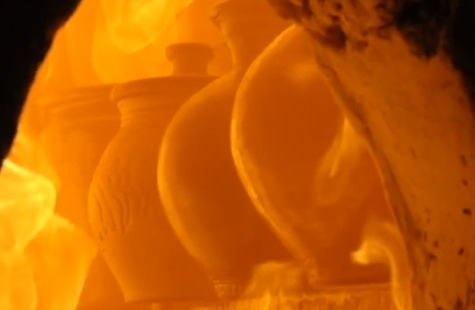

Step-by-step guide to fire a clay piece
🔴DIY how to make a CAMPFIRE - Easy Polymer Clay, Fondant cake fire Tutorial
Step 1
Check your clay piece to make sure it is completely bone dry with no cold or damp spots.
Step 2
Ask an adult to prepare the kiln shelf by cleaning it and applying kiln wash or laying shelf paper.
Step 3
Place your clay piece on the prepared kiln shelf leaving space around it so air can move.
Step 4
Ask an adult to program the kiln for a bisque firing using the kiln's recommended schedule for greenware.
Step 5
Stand at a safe distance and listen while the adult explains the firing stages: preheat to remove water burnout and then reach bisque temperature.
Step 6
Ask the adult to let the kiln cool completely before opening it and do not touch the kiln or pieces while it is hot.
Step 7
Ask an adult to open the cooled kiln and remove the bisqued piece onto a heatproof surface.
Step 8
Inspect the bisqued piece and gently sand any rough spots with the sanding sponge if needed.
Step 9
Paint glaze on your bisqued piece if you want a shiny color and let the glaze dry completely.
Step 10
Ask an adult to load the glazed piece into the kiln and set the kiln to the correct glaze firing schedule as recommended by the glaze instructions.
Step 11
Ask the adult to wait for the kiln to cool completely and then remove the finished pottery so you can handle it safely and check for any sharp edges.
Step 12
Take a photo or write about your finished pottery and share your creation on DIY.org
Help!?
If I can't find kiln wash or shelf paper, what can I use to protect the kiln shelf?
If kiln wash or shelf paper is unavailable, ask an adult to use commercially labeled kiln shelf paper or apply a thin coat of kiln wash made for kilns on the cleaned kiln shelf rather than household substitutes.
What should I do if my clay piece cracks or pops during firing?
Make sure the clay piece is completely bone dry with no cold or damp spots and have an adult use the kiln's recommended preheat and bisque schedule while leaving space around the piece on the prepared kiln shelf so moisture can escape.
How can I adapt this activity for younger or older children?
For younger children, focus on drying checks, placing the clay on the prepared kiln shelf, and decorating before firing while an adult handles kiln programming and firing, and for older kids let them gently sand bisqued pieces with the sanding sponge, paint glaze, and learn to follow glaze firing schedules with supervision.
How can I personalize or improve my finished pottery?
Carve textures or add underglaze before bisque, paint layered glazes and let the glaze dry completely per the glaze instructions, then photograph or write about your shiny finished pottery to share on DIY.org.
Watch videos on how to fire a clay piece
How to Make a Hand Built Ceramic Sculpture: Step by Step Tutorial for Beginners
4 Videos
How to Make a Hand Built Ceramic Sculpture: Step by Step Tutorial for Beginners
How to prepare clay sculpture for firing
Making a ceramic piece with recycled glass: from clay to fire
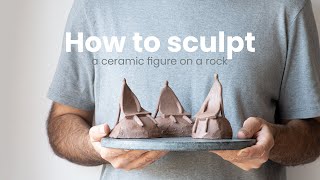
DIY clay sculpture: a figure on a rock step by step
Facts about pottery and kiln safety
🏺 Pottery-making dates back at least 20,000 years, with ancient shards found in East Asia.
🔥 Kilns used for pottery can reach temperatures over 1,200°C (about 2,200°F).
🐣 A bisque firing transforms fragile "greenware" into hard, porous pottery that's ready to accept glaze.
🎨 Glazes are made from glass-forming minerals and melt into a glassy, colorful surface during glaze firing.
⏳ A full firing cycle includes heating, soaking at top temperature, and slow cooling—cooling can take as long as the heating.
How do you fire a small clay piece in a community or school kiln?
What materials do I need to fire a small clay piece in a kiln?
What ages is this kiln-firing activity suitable for?
What safety precautions should we follow when firing clay in a kiln?
