Finance 101: Get Savvy with Your Money
Create a simple budget, make a savings jar, track spending with stickers, and set savings goals to learn smart money choices.



Step-by-step guide to Finance 101: Get Savvy with Your Money
Financial Literacy for Kids - Finance for Kids - Financial Capability - Teaching Kids about Money
Step 1
Gather all your materials and set them on a table where you can work comfortably.
Step 2
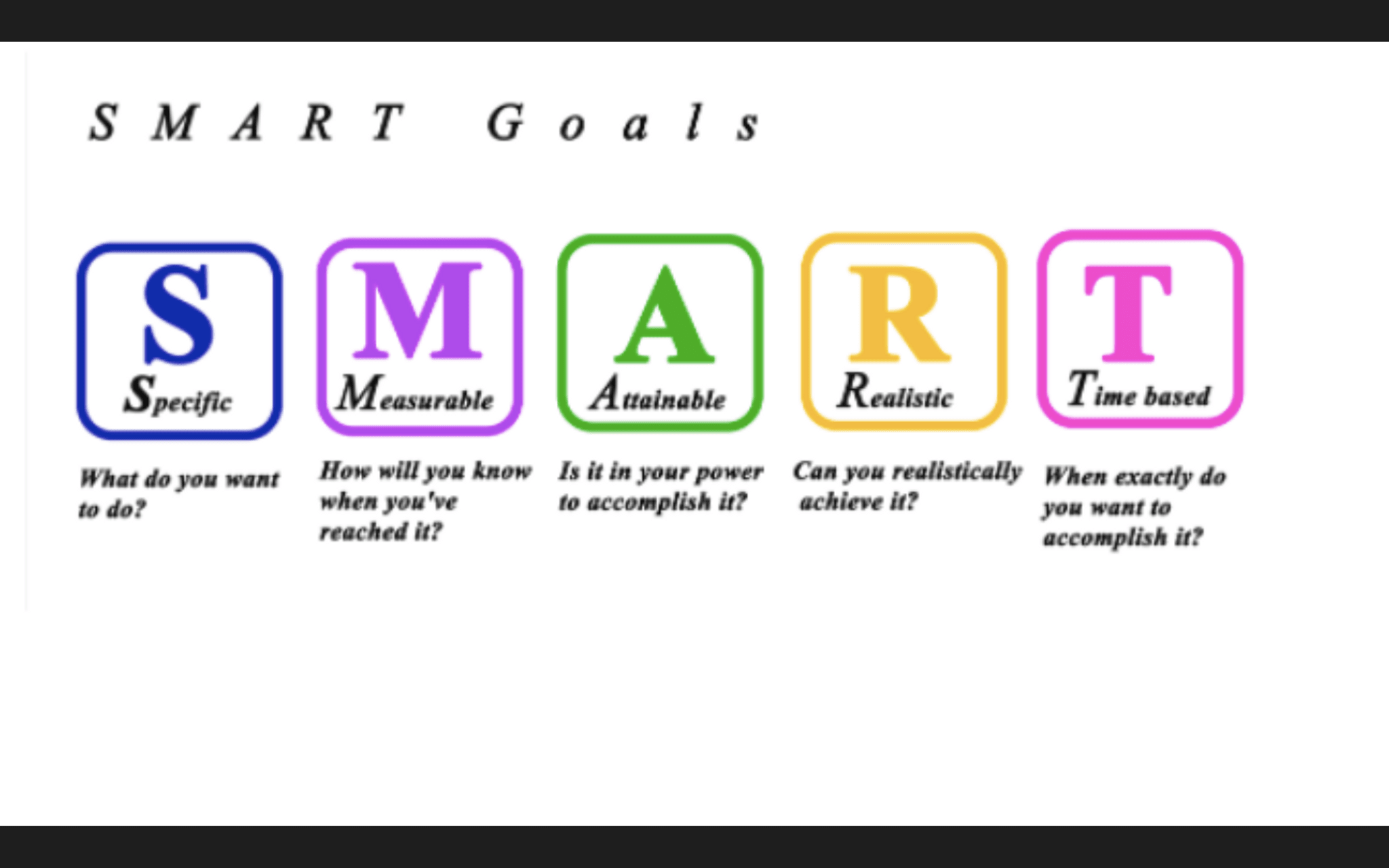
Think of one savings goal and write it on a sticky note with the amount you want and the date you want to reach it.
Step 3
Decorate your jar using colouring materials and stickers to make it fun and special.
Step 4
Stick your savings goal note onto the jar so everyone can see what you are saving for.
Step 5
Draw a simple budget chart on your paper with three columns labeled "Category" "Amount" and "Notes."
Step 6
Choose three spending categories (like Snacks Toys Save) and write each category and how much you will spend on it in the chart.
Step 7
Decide a rule for when to put money in the jar (for example, every day place spare coins or one dollar each week).
Step 8
Put the agreed amount of coins into the jar when it’s time to save.
Step 9
Each time you buy something, put a sticker in the matching category column on your chart.
Step 10
At the end of each week count the stickers and write how much you actually spent in each category on your chart.
Step 11
Count the money in your jar and write the total on your chart to see how close you are to your goal.
Step 12
Share your finished budget chart and savings jar on DIY.org.
Help!?
What can we use if we don't have a glass jar or sticky notes?
Use a clean yogurt tub, empty peanut butter jar, or a shoebox as your savings jar and tape small squares of paper to it as the savings goal note so you can still 'stick your savings goal note onto the jar'.
My child keeps forgetting to put money in the jar—how can we make saving more reliable?
Put the jar somewhere very visible, set a daily or weekly alarm, and write the rule on the budget chart under 'Notes' so you follow the 'Decide a rule' and 'Put the agreed amount of coins into the jar' steps consistently.
How can we adapt this activity for younger or older kids?
For younger children use a simplified paper chart with 2 picture categories and large stickers plus parent help to count weekly, while older kids should use the full three-column chart with exact amounts, longer-term goal dates, and a calculator or spreadsheet when they 'count the money' and record totals.
How can we make the jar and chart more motivating and personal?
Decorate the jar with a photo of the goal, add milestone labels or a progress line on the jar to mark amounts as you 'put the agreed amount of coins' and count weekly, and include photos and a short goal story when you 'Share your finished budget chart and savings jar on DIY.org'.
Watch videos on how to get savvy with your money
What Is Money?: Personal Finance for Kids Read Aloud by Reading Pioneers Academy
4 Videos

What Is Money?: Personal Finance for Kids Read Aloud by Reading Pioneers Academy

What is a BUDGET? 🤔 Learn How to Manage Your Money 💰 Finance for All
Financial Literacy for Kids | Learn the basics of finance and budgeting

Top 10 Innovative Ways to Teach Kids About Money Management
Facts about personal finance for kids
🐷 People have used simple money jars and piggy banks for centuries to save spare coins — it's a timeless habit!
💰 Even putting aside one small coin each day adds up over time and teaches steady saving.
🏷️ Tracking spending with stickers turns money choices into a colorful, fun visual game kids can follow.
📈 Setting a clear savings goal (like a toy or outing) makes it much easier to stick to your plan.
🎯 Making a simple budget helps you see where your money goes and choose what to spend vs. save.
How do I run the 'Finance 101: Get Savvy with Your Money' activity with my child?
What materials do I need for the savings jar, budget chart, and sticker spending tracker?
What ages is the 'Finance 101' activity suitable for?
What are the benefits, safety tips, and variations for teaching kids about money?
