Draw the Ultimate Fantasy Creature DTIYS
Design and draw your ultimate fantasy creature in your own style, combining animal features, colors, textures, then explain its habitat and abilities.


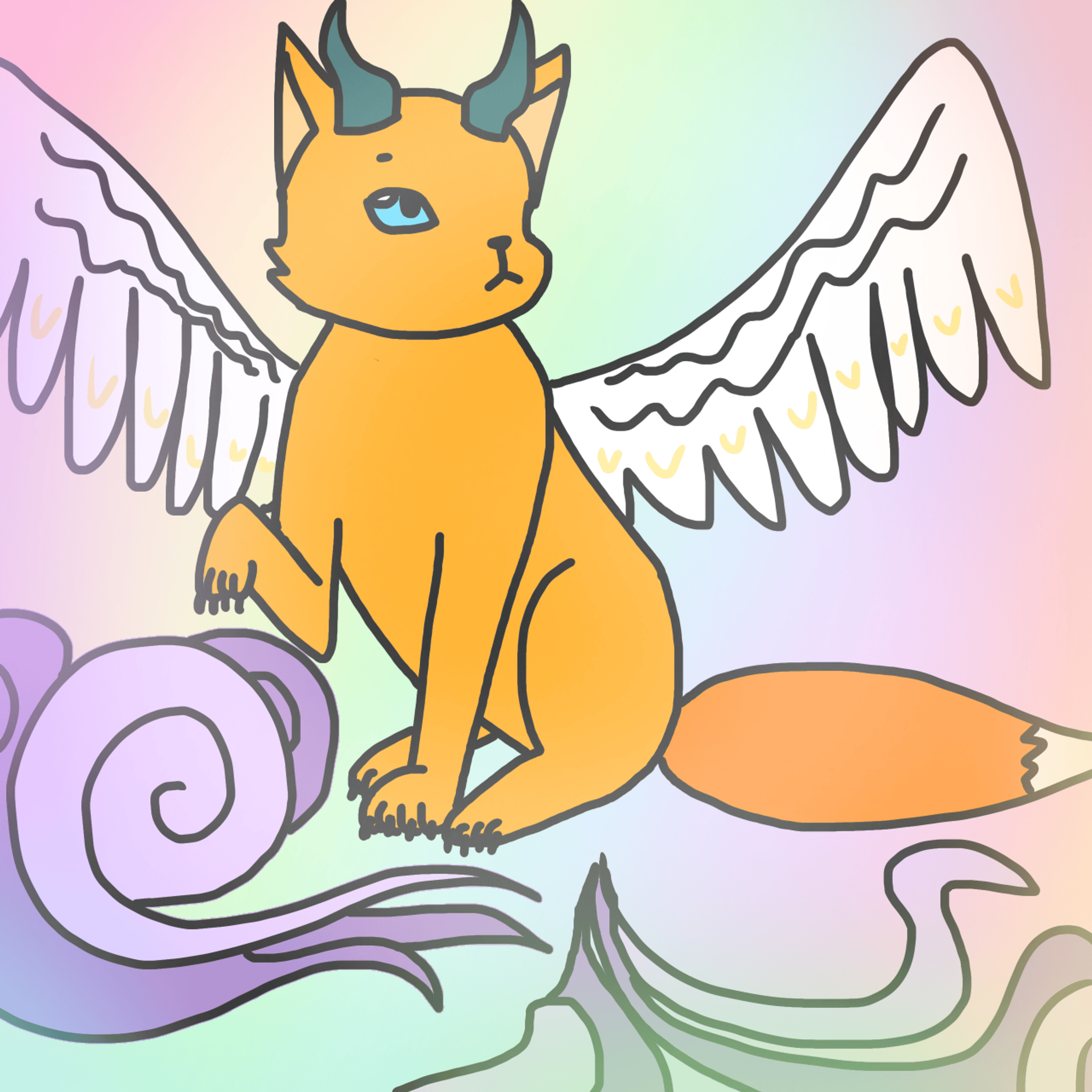
Drawing Apps
Step-by-step guide to draw the ultimate fantasy creature
Create Your Own Creature in Procreate - Easy Drawing Tutorial
Step 1
Gather all your materials and find a comfy spot to draw.
Step 2
Close your eyes and imagine three animals you love and pick one cool body part from each.
Step 3
Choose two or three main colours and one texture like fur scales or feathers.
Step 4
Lightly sketch a simple body shape and pose for your creature with your pencil.
Step 5
Add the animal parts you picked onto the body (like wings horns or fins).
Step 6
Draw the face and main features such as eyes mouth claws or a tail tip.
Step 7
Trace the final lines you like with the fine black marker.
Step 8
Erase the extra pencil lines carefully so the ink stands out.
Step 9
Add texture marks like short strokes or dots to show fur scales or feathers.
Step 10
Colour your creature using the colours you chose.
Step 11
Draw a simple background that shows the habitat where your creature lives.
Step 12
Write your creature’s name a one-sentence habitat description and three short abilities it has.
Step 13
Share your finished creation on DIY.org.
Help!?
What can I use if I don't have a fine black marker or certain colours?
If you don't have a fine black marker, use a black gel pen or thin felt-tip marker to trace the final lines and swap missing coloured pencils for markers, crayons, or watercolor paints when you colour your creature.
My lines smudge or my proportions look wrong—how do I fix that?
To prevent smudging and fix proportions, wait for the ink to fully dry before you erase the extra pencil lines carefully so the ink stands out, use a soft eraser, and if shapes feel off lightly re-sketch the simple body shape and pose with your pencil first.
How can I change the activity for different ages or skill levels?
For younger kids pre-draw the simple body shape and limit choices to one texture and two colours with crayons, while older kids can add detailed texture marks, complex backgrounds, and a longer habitat description and abilities list.
How can we extend or personalize the finished fantasy creature?
Extend the project by making a cardboard diorama for the simple background, adding mixed-media textures before you colour your creature, or scanning the traced and coloured drawing to create stickers and a profile with the creature's name, habitat sentence and three abilities.
Watch videos on how to draw the ultimate fantasy creature
How to DRAW Creatures Without Reference
4 Videos
How to DRAW Creatures Without Reference
How To Draw a Dragon | Step by Step Art Lesson for Beginners
How to Draw a Fairy and Wizard! | Kylee Draws Magical Characters - Easy Fantasy Drawing for Kids!
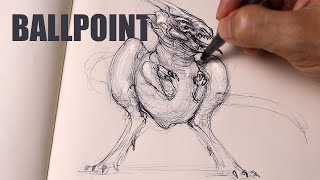
Creature Design with a Ballpoint Pen | Sketching Fantasy Creatures Step by Step
Facts about creature design and fantasy drawing
🐉 Dragons appear in myths across every inhabited continent—people have been imagining and drawing them for thousands of years.
🦁 The Chimera mixed a lion, a goat, and a serpent—ancient hybrid creatures directly inspire modern fantasy mash-ups.
🌈 Using complementary colors (like blue and orange) makes parts of your creature pop and feel more vibrant.
🌊 Picking a habitat (forest, desert, ocean, mountains) helps decide realistic abilities like gills, wings, or camouflage.
🖌️ You can suggest textures with simple marks: stippling for rough skin, short strokes for fur, and layered lines for feathers or scales.
How do you do the 'Draw the Ultimate Fantasy Creature' DTIYS activity?
What materials do I need for a fantasy creature drawing activity?
What ages is this 'Draw the Ultimate Fantasy Creature' activity suitable for?
What are the benefits of doing this fantasy creature drawing activity with my child?
