Clean up a Beach
Organize a small beach cleanup: collect litter with gloves and bags, sort recyclables, and learn about protecting marine life and habitats.


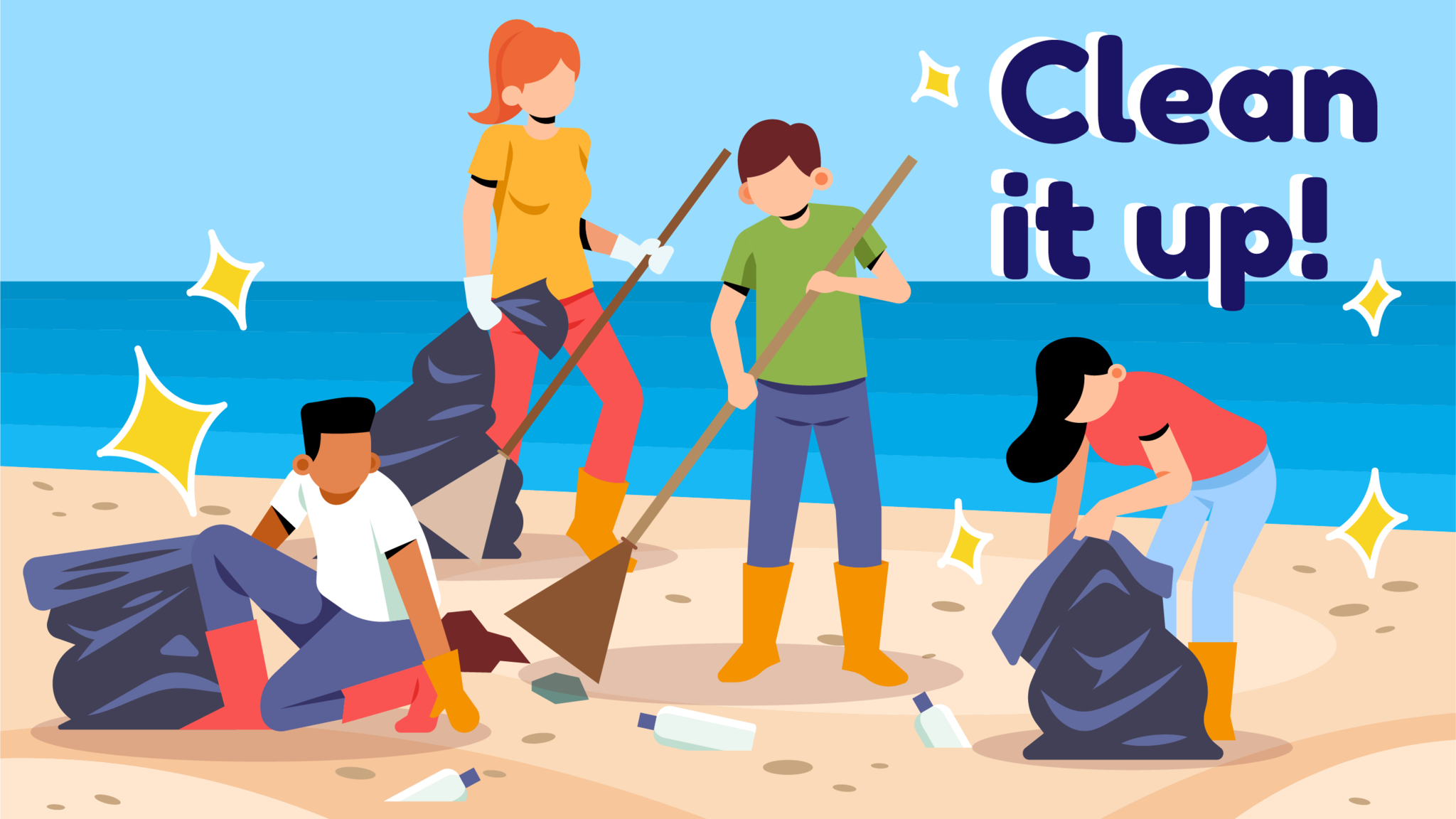

Step-by-step guide to clean up a beach
8,000 Kids Help Clean Up California Beaches for Kids Ocean Day
Step 1
Ask an adult to come with you to the beach.
Step 2
Gather the Materials Needed and put them in one place.
Step 3
Put on your gloves.
Step 4
Apply sunscreen before you start.
Step 5
Walk with your adult to the area you will clean.
Step 6
Set a visible boundary for your cleanup using a towel or stick.
Step 7
Look around the area to spot hazards like broken glass or wildlife.
Step 8
Pick up one piece of litter at a time using the litter picker or your gloved hand.
Step 9
Put recyclables into the recyclables box.
Step 10
Put non-recyclable trash into the trash bag.
Step 11
If you find broken glass or needles, stop and call your adult immediately.
Step 12
Have your adult place sharp items into the rigid bucket with the lid.
Step 13
Count the pieces you collected and write the totals in your notebook.
Step 14
Wash or sanitize your hands after the cleanup.
Step 15
Share your finished beach cleanup on DIY.org.
Help!?
What can we use if a litter picker, rigid bucket, or gloves are hard to find?
If you don't have a litter picker use long kitchen tongs or a sturdy stick, replace gloves with thick garden or rubber gloves, and use a hard plastic container with a screw-on lid or an empty paint can as the rigid bucket for sharps while keeping a heavy-duty trash bag and a box for recyclables.
What should we do if a glove rips or we're unsure whether an item is recyclable during the cleanup?
If a glove rips stop and put on a fresh pair, and if you find broken glass or needles follow the instruction to 'stop and call your adult immediately' so the adult can place sharps into the rigid bucket with the lid, while uncertain items should be checked for recycling symbols or placed in the trash bag to avoid contamination.
How can we adapt this beach cleanup for different ages?
For younger children shorten the cleanup area, let them pick only large, safe items with gloved hands while the adult handles sharp items and records counts, and for older kids use the litter picker, sort recyclables into the recyclables box, write detailed totals in the notebook, and post the results to DIY.org.
How can we extend or personalize the beach cleanup activity after finishing the basic steps?
To enhance the activity turn 'set a visible boundary' into a mapped grid to clean and count pieces per grid in your notebook, take before-and-after photos to share on DIY.org, and decorate or label your recyclables box and gloves to personalize the cleanup.
Watch videos on how to clean up a beach
Blippi Cleans Up The Beach & Hikes | Learn About Nature & Recycling | Educational Videos for Kids
4 Videos
Blippi Cleans Up The Beach & Hikes | Learn About Nature & Recycling | Educational Videos for Kids
From Beautiful Beach to Dirty Beach 🌊 | How Kids Can Help Save Nature
How to do a beach cleanup
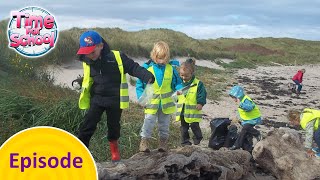
Beach Clean | Time For School Full Episodes
Facts about beach conservation
🐢 About 1 million seabirds and 100,000 marine mammals are estimated to die each year because of plastic in the oceans.
🌊 An estimated 8 million metric tons of plastic enter the oceans every year — that's like dumping a garbage truck of plastic into the sea every minute.
🗑️ Some plastics can take decades to centuries to break down: a plastic bag ~20 years, a plastic bottle up to 450 years.
♻️ Many common beach litter items — aluminum cans, glass bottles, and PET plastic bottles — can be recycled into new products if sorted properly.
🧤 Wearing gloves and using tools like grabbers keeps volunteers safe from sharp or contaminated items during cleanups.
How do you organize a small beach cleanup with kids?
What materials do I need for a kid-friendly beach cleanup?
What ages are beach cleanups suitable for?
What are the benefits and safety tips for a family beach cleanup?
