Clamp a wood project
Learn how to use clamps to hold wood pieces together while glue dries, making a small glued wooden plaque with adult supervision.
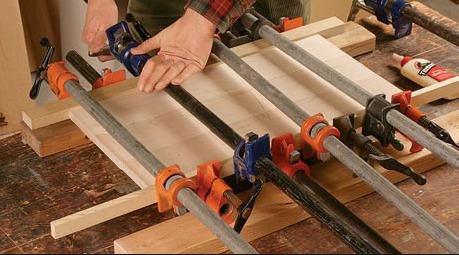
About this activity
Learn how to use clamps to hold wood pieces together while glue dries, making a small glued wooden plaque with adult supervision.
What you need
Step by step
- 1
Step 1
Gather all the materials and bring them to a clean flat workspace.
- 2
Step 2
Lightly sand the edges of each wood piece where they will meet until the surfaces feel smooth.
- 3
Step 3
Place the two wood pieces together in the shape you want for your plaque without using glue.
- 4
Step 4
Make small pencil alignment marks so you know exactly how the pieces should line up.
- 5
Step 5
Squeeze a thin even line of wood glue along the joining edge of one wood piece.
- 6
Step 6
Press the glued edge to the other piece so the pencil marks line up and hold them together briefly.
- 7
Step 7
Wipe any glue that squeezes out with a damp cloth right away.
- 8
Step 8
Put scrap wood pads or cardboard on the clamp jaws to protect the wood surfaces.
- 9
Step 9
Position the clamp so the pads touch the wood and the clamp sits over the glued joint.
- 10
Step 10
With adult help tighten the clamp slowly until the pieces are snug but do not over-tighten.
- 11
Step 11
Leave the clamp in place for the drying time shown on the glue label so the joint cures fully.
- 12
Step 12
Remove the clamp and sand any dried glue or rough edges to finish the plaque surface.
- 13
Step 13
Take a photo of your finished plaque and share your creation on DIY.org
Fun facts
How do you clamp a small glued wooden plaque with a child?
Start by dry-fitting the wood pieces so they align. Apply an even bead of wood glue along the seam, press pieces together, and place scrap wood pads above and below the joint. Position clamps so pressure is centered on the joint, tighten a little on each clamp in turn to keep alignment, and wipe away excess glue with a damp cloth. Leave clamps on for the glue manufacturer's recommended cure time, then remove clamps, sand, and finish.
What materials do I need to clamp a wood plaque project?
You need pre-cut small wood pieces for the plaque, wood glue, two or more clamps (bar or quick-release work well), scrap wood pads to protect the surface, sandpaper, a damp cloth for cleanup, a square or ruler for alignment, pencil, and a finish like non-toxic varnish. Include safety gear: adult supervision, safety glasses, and optional gloves. Avoid power tools unless an adult operates them.
What ages is this clamping and gluing activity suitable for?
This activity suits ages 5+ with roles tailored to skill level: ages 5–7 can hold pieces, spread glue with help, and learn clamping basics; ages 8–11 can align pieces and tighten clamps under close supervision; ages 12+ can take more responsibility for measuring and clamping with an adult overseeing safety. Always have an adult present when handling clamps, glue, or any tools.
What safety tips should we follow when clamping wood with children?
Keep a clear, stable workspace and teach kids not to put fingers between clamp jaws. Use scrap pads to protect wood and avoid overtightening clamps to prevent splitting. Wear safety glasses when sanding or handling clamps. Work in a ventilated area for glue or finish fumes and have a damp cloth handy for glue squeeze-out. Store clamps safely and always supervise children closely during setup and curing.
Watch & Learn
Need help?
What can we use if we don't have a clamp?
If you don't have a clamp, stack heavy books or use a ratchet strap or elastic bands over the glued joint with scrap wood pads or cardboard protecting the surfaces to apply even pressure while the glue dries.
My pieces shifted when I tightened the clamp — how can I fix alignment?
Use the pencil alignment marks made when you placed the two wood pieces together, press the glued edge back to match those marks, hold briefly, then tighten the clamp slowly and evenly so the marks stay lined up and the joint doesn't move.
How can we adapt this activity for younger or older kids?
For younger children, have an adult pre-sand the edges, squeeze the thin even line of wood glue, and tighten the clamp while the child lines up the pencil marks and wipes excess glue, whereas older kids can do the sanding, precise gluing, clamp adjustment, and final sanding themselves for more practice.
How can we personalize or enhance the finished plaque?
After you remove the clamp and sand any dried glue, personalize the plaque by staining or painting it, wood-burning a name or design, or attaching a sawtooth hanger or small hooks before taking a photo to share on DIY.org.