Care for an animal's feet
Practice gently washing, inspecting, trimming nails, and applying paw balm on a pet or stuffed-animal model with adult supervision to learn safe foot care.


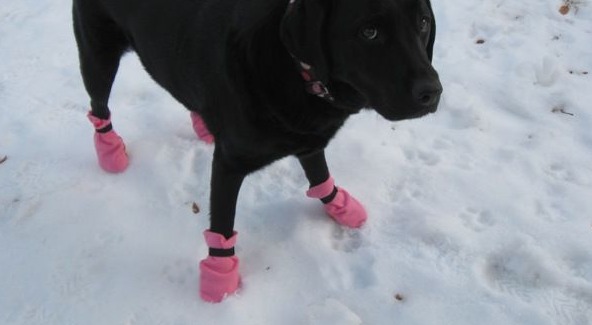

Step-by-step guide to care for an animal's feet
What Is It (webbed feet) An Animal Physical Characteristic Game by Kindergarten Rocks Mrs Horvath
Step 1
Gather all the materials and put them near a low table or the floor where you will work.
Step 2
Wash your hands with soap and water so they are clean before touching the paws.
Step 3
Bring your pet or your stuffed animal to the quiet low spot and set them down gently.
Step 4
Gently pet your pet or stuffed animal to help it feel calm and safe.
Step 5
Inspect each paw one at a time for cuts swelling redness or foreign bits of dirt or grass.
Step 6
Fill the bowl with warm water that feels comfy on your wrist.
Step 7
Wet the soft washcloth in the warm water until it is damp.
Step 8
Put a tiny drop of mild pet shampoo on the damp washcloth.
Step 9
Gently wash each paw one at a time with the soapy washcloth using small soft strokes.
Step 10
Rinse each paw one at a time with clean warm water until no soap is left.
Step 11
Dry each paw one at a time by patting with the towel until it is no longer damp.
Step 12
Have an adult carefully trim one nail at a time if nails are too long and keep styptic powder nearby in case of tiny nicks.
Step 13
Apply a small amount of paw balm to each paw pad to moisturize and protect the skin.
Step 14
Give your pet a small treat for being patient and caring so well for their paws.
Step 15
Share your finished creation on DIY.org
Help!?
What can we use if we don't have mild pet shampoo or paw balm?
Use a tiny drop of baby shampoo diluted in the warm bowl water for the 'Put a tiny drop of mild pet shampoo' step and a small smear of plain coconut oil as a substitute for 'Apply a small amount of paw balm to each paw pad'.
My pet keeps squirming when I try to wash its paws—what should I try?
If your pet won't stay still during 'Gently wash each paw one at a time', work on calming with 'Gently pet your pet' first, have an adult hold the pet gently at the low spot, use the towel and treats nearby to soothe and reward, and wash one paw at a time with short breaks.
How can I change the steps for younger children or older kids?
For toddlers, simplify the activity to 'Gently pet', inspect each paw, and have an adult do the 'wet, wash, rinse, dry, and trim nails' steps, while older kids can follow all instructions independently (with nail trimming supervised) including using the washcloth, bowl of warm water, and paw balm.
How can we make this paw-care activity more fun or personalized?
Extend the 'Share your finished creation on DIY.org' step by creating a paw-care chart with stickers for each completed step, decorating the towel or washcloth, and taking before-and-after photos to make a care journal.
Watch videos on how to care for an animal's feet
How To Take Care Of Animals | Pre School Learning and Kids Education
4 Videos
How To Take Care Of Animals | Pre School Learning and Kids Education
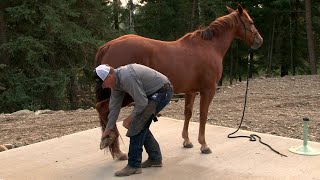
Tips to Handle Your Horse's Feet - Your Farrier will Thank YOU!
Teaching Kids to Care for Pets | Videos for Toddlers

HOW TO TAKE CARE OF PETS 🐾 Learn about animals 🐶 Lingokids Cartoons
Facts about pet grooming for kids
🐾 Dogs and cats have sweat glands in their paw pads — paw pads help with cooling and leave tiny scent marks.
✂️ Pet nails contain a ‘quick’ (blood vessels and nerves) so trim little by little to avoid hurting them.
🧼 Washing paws after walks removes dirt, salt, pollen, and tiny splinters that can cause irritation or infection.
💅 Paw balm soothes cracked pads and protects paws from hot pavement and winter salt — many owners use it seasonally.
🩺 A weekly paw check can catch ticks, cuts, or foreign objects early and prevent bigger problems.
How do you practice caring for an animal's feet?
What materials do I need to practice paw care?
What ages is this paw-care activity suitable for?
What safety tips and benefits come with paw-care practice?
