Build a DIY Bird Feeder
Build a DIY bird feeder from recycled materials, string, and birdseed. Hang it outside, observe visiting birds, and record their behavior.


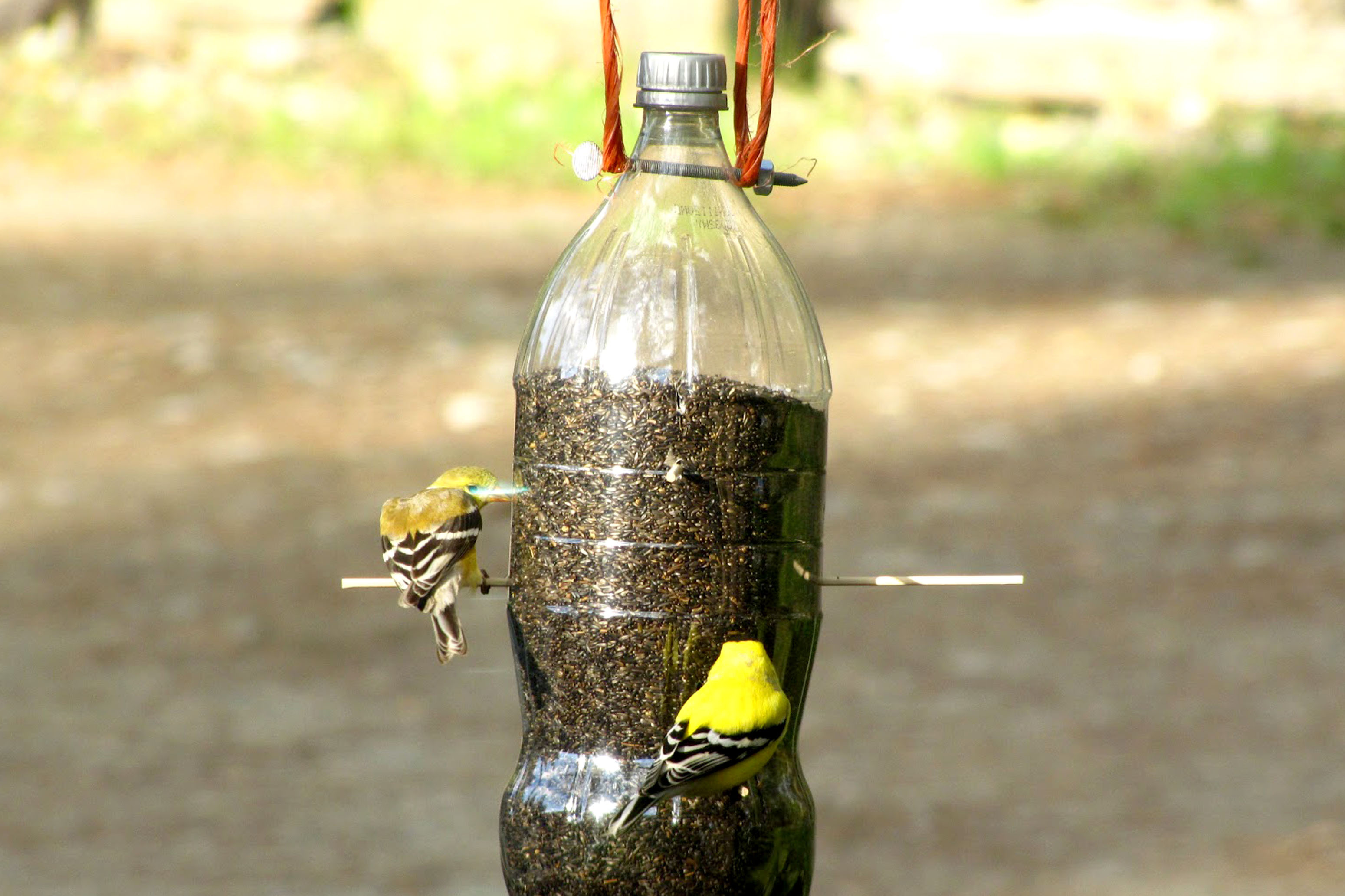
Step-by-step guide to build a DIY bird feeder
How to Make a Bird Feeder
Step 1
Gather all your materials and bring them to a clear workspace.
Step 2
Rinse and dry your recycled container so it is clean and safe for birds.
Step 3
Ask an adult to cut two small windows on opposite sides of the container near the bottom so birds can reach the seed.
Step 4
Ask an adult to poke several tiny drainage holes in the bottom so water can escape.
Step 5
Ask an adult to make two small holes on opposite sides just below the windows and insert the stick through to make a perch.
Step 6
Ask an adult to make a hole in the top of the container for hanging.
Step 7
Thread the string through the top hole.
Step 8
Tie a strong knot in the string so the feeder will hang securely.
Step 9
Use tape or glue to cover any sharp edges around the windows so birds stay safe.
Step 10
Decorate your feeder with colouring materials if you like to make it bright and friendly.
Step 11
Use the spoon or funnel to fill the feeder with birdseed until it reaches the bottom of the windows.
Step 12
Hang the feeder outside from a branch or hook at a safe height away from predators.
Step 13
Watch the feeder quietly for 10–15 minutes from a window or a quiet spot.
Step 14
Write down which birds visited and what they did in your notebook.
Step 15
Share your finished bird feeder and your bird observations on DIY.org.
Help!?
What can we use if we don't have the recycled container or a stick for a perch?
Use a clean plastic milk jug, yogurt tub, or empty coffee can as the recycled container and a wooden dowel, chopstick, or thick pencil inserted through the 'make two small holes' step as the perch.
What should we do if seed keeps spilling out or the feeder won't hang straight?
If seed spills or the feeder tilts, make the 'two small windows' smaller or move them higher, push the stick perch farther through the 'make two small holes' step for support, and retie the top string knot from the 'Tie a strong knot' step so it hangs straight.
How can we change the activity for younger children or older kids?
Have an adult do the cutting and poking steps for younger children while they rinse, decorate, fill with birdseed, and record visits in the notebook, and let older kids measure, cut the windows, drill drainage holes, mix seed blends, and keep a detailed birdwatching log.
How can we extend or personalize our bird feeder after finishing it?
Glue or tape a small waterproof roof over the top hole to keep seed dry, attach a suet cup or platform near the windows, decorate with non-toxic paints from the decorating step, and label your feeder and observations in the notebook before sharing on DIY.org.
Watch videos on how to build a DIY bird feeder
Build Your OWN Simple Wooden Bird Feeder At Home!
4 Videos
Build Your OWN Simple Wooden Bird Feeder At Home!
Simple Bird Feeder - How to build with Basic Tools - Easy DIY
DIY Bird Feeder | Build with Recycled Materials! 🐦♻️
CREATE Your Own BIRD FEEDER At Home In Minutes!
Facts about backyard bird feeding and observation
🐦 Common backyard feeder visitors include chickadees, finches, sparrows, and cardinals — each has a favorite feeding style.
🌻 Black-oil sunflower seeds are a top pick for many birds because they're high in fat and easy to crack open.
♻️ Turning an empty milk carton or plastic bottle into a bird feeder is a simple upcycling project that keeps waste out of the landfill.
🔭 Watching a feeder helps you spot bird behaviors like hopping, hovering, or hopping upside-down to reach seeds.
📓 Kids who record bird visits can contribute to citizen science projects like eBird to help scientists track bird populations.
How do you make a DIY bird feeder from recycled materials?
What materials do I need to make a DIY bird feeder?
What ages is this bird feeder activity suitable for?
What are the benefits and safety tips for building and observing a bird feeder?
