Analyze the scene
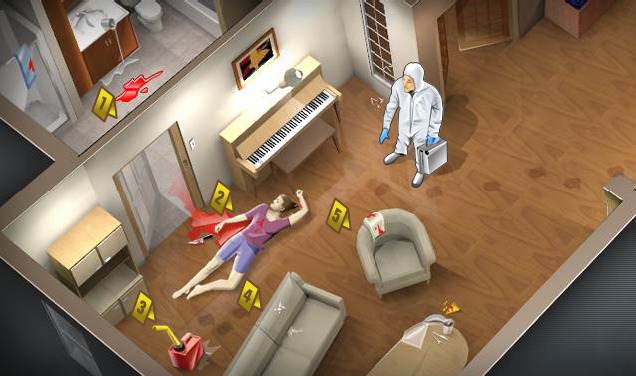
Observe a real or pictured scene, make a detailed sketch, list visible objects and actions, note clues, then infer and write a short story.


Drawing Apps
Step-by-step guide to do scene analysis and write a short story
The Basics of Storyboarding in Under 5 Minutes - Film Camp for Kids & Youth Free Class Tutorials
Step 1
Choose a scene to observe such as a corner of a room a backyard view or a printed picture.
Step 2
Place the scene or picture where you can see it clearly at your workspace.
Step 3
Set a timer for 5 minutes.
Step 4
Quietly study the scene without drawing until the timer stops.
Step 5
Make a light outline sketch of the whole scene to capture the big shapes and layout.
Step 6
Add detailed sketches of each visible object showing its size and position.
Step 7
Draw any people or animals with poses that show what they are doing.
Step 8
Write a numbered list beside your sketch naming each visible object and the action it is doing.
Step 9
Circle three clues in the scene that might hint at what happened or is happening.
Step 10
For each circled clue write one sentence explaining what it might mean.
Step 11
Write two one-sentence story ideas that could connect the clues you found.
Step 12
Choose your favorite idea and write a short story of six to ten sentences using your notes.
Step 13
Reread and edit your story to fix words and make the ending clear.
Step 14
Color your sketch to match the mood of your story.
Step 15
Share your finished creation on DIY.org
Help!?
What can I use if I don't have a printed picture, a paper sketchbook, or special coloring supplies?
Use a photo of a scene on a phone or tablet in place of a printed picture, set the phone timer for the 5-minute study, and substitute plain printer paper and crayons, markers, or colored pencils for the 'outline sketch' and 'color your sketch' steps.
I keep missing details during the 5-minute study—how can I fix that?
If the 5-minute observation feels too short, take one quick photo or short video of the scene for reference, then immediately make your 'light outline sketch' to capture big shapes before adding 'detailed sketches' from the photo.
How do I change the activity to suit different ages or drawing skill levels?
For younger kids, simplify by shortening or skipping the numbered list and writing one short sentence about each circled clue plus a 3-sentence story, while older kids can extend the timer to 10–15 minutes, add perspective or shading in the 'detailed sketches', and write a longer 10–12 sentence story.
What are some ways to extend or personalize the finished project beyond sharing on DIY.org?
Turn your 'two one-sentence story ideas' and sketches into a short comic with panels and speech bubbles, photograph each stage from 'light outline sketch' to 'color your sketch' to make a time-lapse, or swap scenes with a friend to redraw and retell their view before posting on DIY.org.
Watch videos on how to do scene analysis and write a short story
How to develop storytelling skills | Oxford Owl
4 Videos

How to develop storytelling skills | Oxford Owl
What is Mise en Scene — How Directors Like Kubrick Master the Elements of Visual Storytelling

Art of the Opening Scene — How to Start a Movie 6 Different Ways, From Nolan to Baumbach

The Basics of Cinematography - Filmmaking for Beginners
Facts about visual literacy and storytelling for kids
🎨 Gesture sketches can take as little as 30 seconds and help artists capture movement and composition quickly.
🔎 Sherlock Holmes (by Arthur Conan Doyle) popularized the idea of using tiny scene details to solve big mysteries.
✏️ Studies show drawing a scene often helps people remember it better than just writing notes.
🧩 Writers love the rule “show, don't tell”: listing objects and actions lets readers infer feelings and events themselves.
🕵️♂️ Abductive reasoning — making the best guess from clues — is the same kind of thinking both detectives and storytellers use.
How do I guide my child through observing a scene, sketching details, and writing a short story?
What materials do I need for the scene observation and storytelling activity?
What ages is this activity suitable for?
What are the benefits of scene observation, sketching, and inference for kids?
