2 Minute Lego Challenge
Build the tallest stable LEGO tower you can in two minutes, then test stability and reflect on design choices to learn basic engineering.
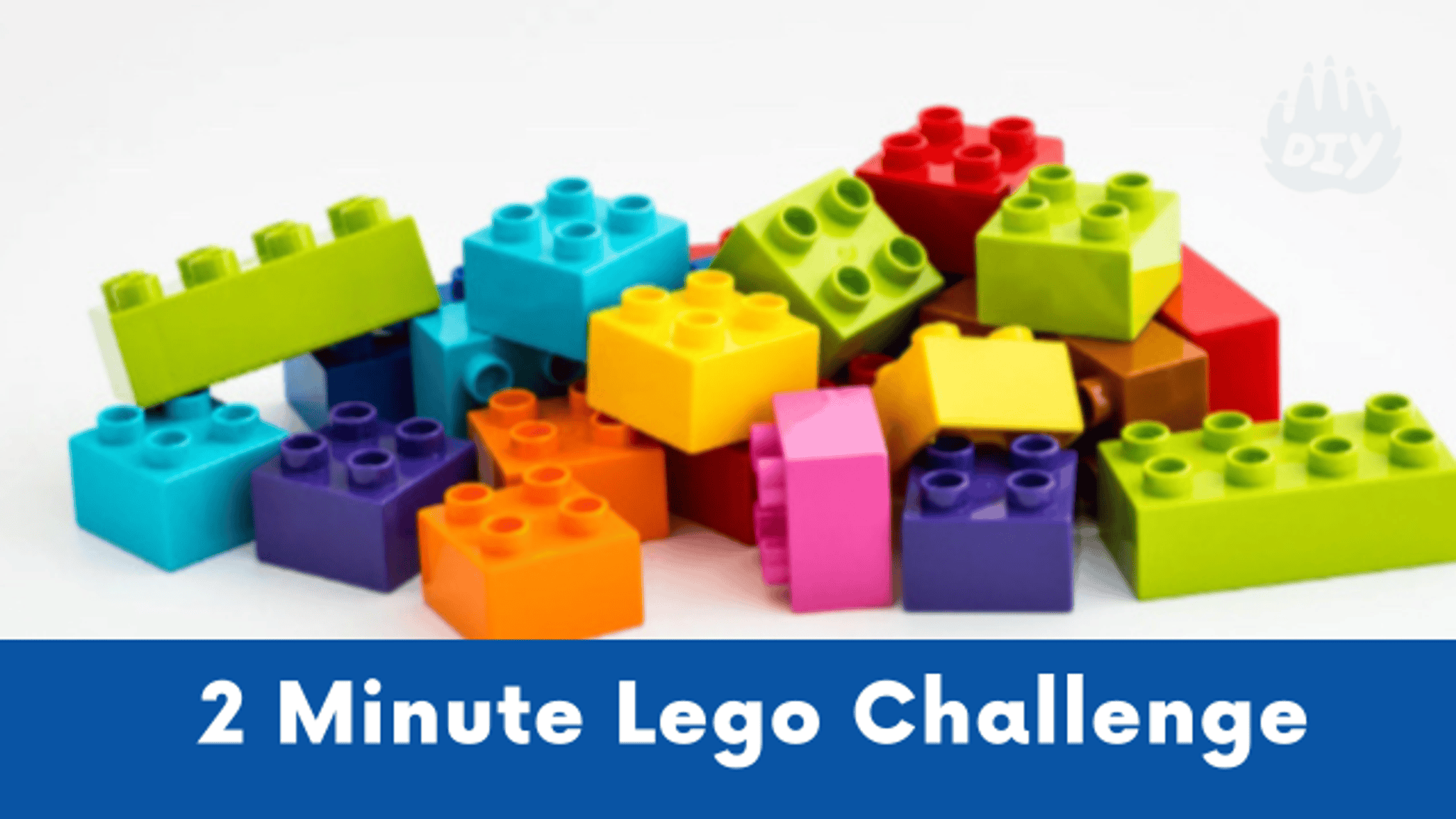
About this activity
Build the tallest stable LEGO tower you can in two minutes, then test stability and reflect on design choices to learn basic engineering.
What you need
Step by step
- 1
Step 1
Clear a flat area on a table or the floor so your tower can stand steady.
- 2
Step 2
Gather a pile of LEGO bricks and put them within easy reach.
- 3
Step 3
Set the timer to 2 minutes on your timer or phone.
- 4
Step 4
Press start on the timer to begin the challenge.
- 5
Step 5
Build the tallest stable LEGO tower you can until the timer rings.
- 6
Step 6
Stop building as soon as the timer rings.
- 7
Step 7
Gently tap the table near the base of the tower once to see if it wobbles or stays standing.
- 8
Step 8
Measure how tall your tower is with a ruler or by counting how many bricks tall it is.
- 9
Step 9
Choose one change you could make to make the tower stronger (for example wider base or interlocking bricks).
- 10
Step 10
Say aloud why that change should help the tower stay standing.
- 11
Step 11
Rebuild the tower using your chosen change.
- 12
Step 12
Test the new tower by gently tapping the table near the base once to check stability.
- 13
Step 13
Share a photo and a short note about your finished tower and what you changed on DIY.org.
Fun facts
How do I run a 2 Minute Lego Challenge to build the tallest stable tower?
Set a clear rule: builders have two minutes to build the tallest tower that stays standing. Give each child a starting flat base or plate and a pile of bricks. Start a visible timer and say “go.” When time’s up, gently test stability with a light nudge or by wiggling the table. Have kids note what worked, then repeat a round to try improvements and discuss design choices like wider bases or interlocking bricks.
What materials do I need for a 2 Minute Lego Challenge?
You’ll need a collection of LEGO bricks or compatible building blocks, plus an optional flat baseplate to start builds. Bring a timer (phone or kitchen timer), a ruler or tape measure to compare tower heights, and a small mat or tray for each builder to define their building space. Optional: a notepad to record designs and a basket for sorting bricks by size to speed up building.
What ages is the 2 Minute Lego Challenge suitable for?
This challenge works well for preschoolers with supervision and older children more independently: roughly ages 3–12. For toddlers, use larger Duplo bricks and simplify the rules; for kids 5 and up, introduce measuring and reflection. Always supervise younger children because small pieces are a choking hazard. Adapt time limits, complexity, and cooperative vs. competitive play to match your child’s developmental level.
What are the benefits of doing the 2 Minute Lego Challenge with my child?
The challenge builds spatial reasoning, fine motor skills, and quick problem-solving while introducing basic engineering ideas like balance and load distribution. Short timed rounds teach planning under pressure and resilience when designs fail. It encourages creativity, measurement skills (comparing heights), and communication if done in teams. It’s low-cost, adaptable, and easy to repeat, making it a great learning-through-play activity for families.
Watch & Learn
Need help?
If I don't have a phone timer or LEGO bricks, what can I use instead?
Use a kitchen timer or stopwatch on a watch for the 2-minute countdown and substitute LEGO with Duplo, wooden blocks, or cardboard bricks so you can still complete the build and measurement steps.
My tower keeps falling over when I tap the table or before the timer ends—what should I try?
If the tower topples during the gentle tap step, rebuild on a flat area with a wider base and interlocked bricks as suggested in the 'choose one change' step to improve stability.
How can I change the challenge for younger or older kids?
Make it easier for younger kids by using larger Duplo pieces, giving more than 2 minutes, and counting bricks for the measurement step, and make it harder for older kids by shortening the timer, limiting brick types, or requiring a one-handed build before the tap test.
How can we extend or personalize the activity after rebuilding and testing?
Extend the challenge by testing different base shapes, measuring height with a ruler, photographing your finished tower, and posting a short note about the specific change you made on DIY.org to compare results.