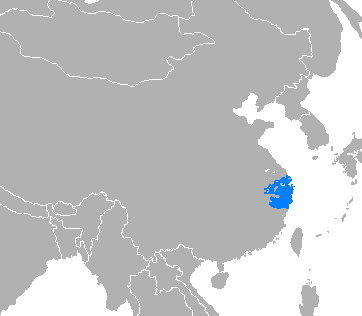
Wu Chinese is a major group of Sinitic languages spoken primarily in Shanghai, Zhejiang province, and parts of Jiangsu province, known for its rich tones and cultural significance.
Set reading age
View for Kids
Easy to read and understand
View for Students
Clear, detailed explanations
View for Scholars
Deep dives and big ideas
Wu Chinese (吴语, pronounced Wú yǔ) is a cool language group! 🌟It's mainly spoken in Shanghai, Zhejiang province, and some parts of Jiangsu province in China. Did you know? Wu is not just one language but a mix of many dialects! Wu speakers share a unique culture with delicious food and exciting traditions! You can hear Wu Chinese spoken by over 80 million people, making it one of China's major languages. 🥟🌏 When people from different regions speak Wu, they often feel like they're speaking a secret code, full of sounds and words that make it special!
Wu Chinese has its own special rules for building sentences! 📚In Wu, the sentence structure can be a bit different from Mandarin. For example, the subject often goes first, but sometimes you'll find more playful structures! Wu often drops pronouns when speaking because the speaker thinks it’s clear who they’re talking about. It's like a language game! 🎲Also, verbs are usually not marked for tense, meaning "I go" and "I went" could sound the same—no need for extra words! This makes Wu Chinese playful and fun to learn!
Wu Chinese has some interesting features! 🤔One of the coolest things is how it sounds. Wu languages have lots of different tones, which can change the meaning of a word. For example, "ma" can mean "mother" or "horse" depending on how you say it! 🐴Wu also has unique sounds, including nasal sounds like "ng". It has many words borrowed from Mandarin, but it also keeps ancient words that are not found in other Chinese languages! It's like a treasure chest of sounds and meanings waiting to be discovered! 💎
Wu Chinese has a fascinating vocabulary! 🥢Many words are unique to the Wu dialects. For example, "la" means "spicy" in Wu and is used in discussions about yummy food! Delicious dishes like "Xiaolongbao" (soup dumplings) are best enjoyed with Wu language conversations about flavors! 🌶️ In addition to local words, Wu speakers also mix in Mandarin words, especially in cities. This mix creates a vibrant and lively way to express ideas. Wu vocabulary also reflects the rich culture, like using special terms for festivals, family ties, and daily life! 🎉
Wu Chinese holds a treasured place in Chinese culture! 🏮It's not only a way to communicate but also a way to share traditions, stories, and values. Wu regions are famous for their artistry, such as beautiful silk from Suzhou and tasty cuisine. Each Wu dialect has its folklore—stories passed down through generations! 📖Celebrations like the Dragon Boat Festival and Mid-Autumn Festival are filled with Wu songs and poems, connecting people to their heritage. The Wu language is like a colorful thread that weaves through the fabric of local culture! 🌈
Wu Chinese has a long history! 📜It dates back more than 2,000 years. The area where Wu is spoken was once part of the ancient State of Wu. This state was famous for its brave warrior Sun Quan! 🏯Over time, different towns and people added their unique words and pronunciation to Wu. By the Tang Dynasty (618-907 AD), Wu Chinese became more popular, and a book called “Notes on the Wu Dialects” helped standardize some words. Today, some scholars study its ancient roots to understand how the language has evolved through time!
Wu Chinese isn't just one language; it's made up of several dialects! 🌈Major dialects include Shanghainese, Suzhounese, and Hangzhounese. Shanghainese is spoken in the exciting city of Shanghai and has many unique expressions! Suzhounese, from Suzhou, is known for its beauty and soft sounds. 🎶Each dialect can sound very different, kind of like having different accents! This is why Wu speakers from different areas sometimes have trouble understanding each other. However, they all feel connected through their love for the Wu language! 🤝
Phonology is all about sounds, and Wu Chinese has a rich phonetic landscape! 🌳In Wu, you can find over 10 tones, which are essential for changing word meanings! Unlike Mandarin, which has four tones, Wu's tones can make communication more exciting and tricky! For example, the word "shi" could mean "to be," "poem," or "wet," depending on how you say it! 💧Wu also loves to play with sounds like 'l,' 'n,' and 'ng,' making it a very musical language to listen to! 🎵This blend of sounds is one of the things that makes Wu so special!
Wu Chinese is coming alive in media and literature! 🎥More movies and TV shows are using Wu dialects, allowing people to hear the language in action! Popular series like "The Flower of War" feature characters speaking in Wu, making it accessible to everyone! 🎬Writers often incorporate Wu phrases in their stories to add flavor and authenticity, and folk tales reflect the fascinating way of life in Wu-speaking regions. 📚There are also social media accounts celebrating Wu music and poetry, engaging younger audiences! Wu Chinese is becoming popular again, especially in today’s digital world! 🌐
Wu Chinese is part of the Sinitic family, which includes Mandarin, Cantonese, and Hakka! 🏠While all these languages share roots, they sometimes sound very different! For instance, Mandarin is spoken by the most people, but Wu is known for its rich tones! 🌊Many words overlap between Wu and Mandarin, but the way they are pronounced can be surprisingly different! When comparing, one can find various sounds and structures, making each language unique! It's like having friends who speak slightly different dialects: they are separate yet connected! 👯♂️
Today, Wu Chinese faces challenges! 🌍As cities grow and people move, younger generations are using Mandarin more often. To help preserve Wu, community groups hold language courses and festivals to celebrate its rich history! Schools in Wu-speaking areas try to teach students in their dialects, and many families are passionate about keeping the language alive! 📅Workshops, plays, and art keep Wu culture vibrant and relevant. There’s even a Wu Chinese dictionary that helps new speakers learn! With these efforts, Wu Chinese is getting the care and attention it deserves! 🌟