All Articles

Writing System

Writing System Facts For Kids

A writing system comprises a set of symbols, called a script, along with rules that represent a specific language.

🎨 Reading age for 6-8
Background blob
Writing System
Writing System
Facts for Kids!

Do more with AI

Introduction

A writing system is like a special code that helps us share our thoughts and ideas! 📝It uses symbols, called scripts, to represent sounds and meanings of words in a language. These scripts can be letters, pictures, or symbols. Over 7,000 different languages exist in the world! 🌍How amazing is that? Writing helps us tell stories, keep records, and communicate with friends. The oldest known writing is from Mesopotamia, about 5,000 years ago! Writing is super important and makes our world a better place by allowing us to connect with each other. 😊

Images of Writing System

Table of scripts in the introduction to the Sanskrit–English Dictionary by Monier Monier-Williams
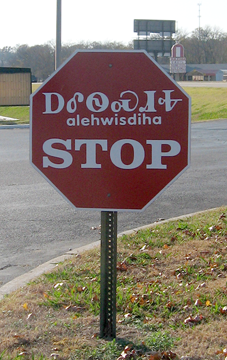
Table of scripts in the introduction to the Sanskrit–English Dictionary by Monier Monier-Williams

A stop sign in Tahlequah, Oklahoma written in Cherokee using both the Cherokee syllabary (top) and Latin alphabet (middle), alongside English (bottom)

A stop sign in Tahlequah, Oklahoma written in Cherokee using both the Cherokee syllabary (top) and Latin alphabet (middle), alongside English (bottom)

A passage from the biblical Gospel of Luke printed using Balinese script

A passage from the biblical Gospel of Luke printed using Balinese script

The relationship between spoken, written, and signed modes of language, as modelled by Beatrice Primus et al.[1] While many spoken or signed languages are not written, there are no written languages without a spoken counterpart that they originally emerged to record.

The relationship between spoken, written, and signed modes of language, as modelled by Beatrice Primus et al.[1] While many spoken or signed languages are not written, there are no written languages without a spoken counterpart that they originally emerged to record.

Diagram comparing the abstraction of pictographs in cuneiform, Egyptian hieroglyphs, and Chinese characters – from an 1870 publication by French Egyptologist Gaston Maspero[c]Image by Maspero, G. (Gaston), 1846-1916, licensed under Creative Commons Attribution-Share Alike 4.0

Diagram comparing the abstraction of pictographs in cuneiform, Egyptian hieroglyphs, and Chinese characters – from an 1870 publication by French Egyptologist Gaston Maspero[c]

Comparison between double-storey |a| (left) and single-storey |ɑ| (right) lowercase forms of the Latin letter ⟨A⟩

Comparison between double-storey |a| (left) and single-storey |ɑ| (right) lowercase forms of the Latin letter ⟨A⟩

Table of scripts in the introduction to the Sanskrit–English Dictionary by Monier Monier-Williams

Table of scripts in the introduction to the Sanskrit–English Dictionary by Monier Monier-Williams

A stop sign in Tahlequah, Oklahoma written in Cherokee using both the Cherokee syllabary (top) and Latin alphabet (middle), alongside English (bottom)

A stop sign in Tahlequah, Oklahoma written in Cherokee using both the Cherokee syllabary (top) and Latin alphabet (middle), alongside English (bottom)

A passage from the biblical Gospel of Luke printed using Balinese script

A passage from the biblical Gospel of Luke printed using Balinese script

The relationship between spoken, written, and signed modes of language, as modelled by Beatrice Primus et al.[1] While many spoken or signed languages are not written, there are no written languages without a spoken counterpart that they originally emerged to record.

The relationship between spoken, written, and signed modes of language, as modelled by Beatrice Primus et al.[1] While many spoken or signed languages are not written, there are no written languages without a spoken counterpart that they originally emerged to record.

Diagram comparing the abstraction of pictographs in cuneiform, Egyptian hieroglyphs, and Chinese characters – from an 1870 publication by French Egyptologist Gaston Maspero[c]Image by Maspero, G. (Gaston), 1846-1916, licensed under Creative Commons Attribution-Share Alike 4.0

Diagram comparing the abstraction of pictographs in cuneiform, Egyptian hieroglyphs, and Chinese characters – from an 1870 publication by French Egyptologist Gaston Maspero[c]

The Role Of Calligraphy

Calligraphy is the art of beautiful writing! 🎨In many cultures, calligraphy is highly respected and often used in special events and documents. Different styles of calligraphy have developed around the world. In Arabic, calligraphy is known for its flowing, elegant letters, while Chinese calligraphy showcases brush strokes that create amazing characters. 🖌️ People practice calligraphy to express creativity and develop fine motor skills. It can portray messages with beauty and meaning. The process of creating calligraphy can also be a calming and meditative experience. Isn’t it lovely how something practical can also be an art form? 💖

Evolution Of Pictographs

Pictographs are pictures that tell stories! 📸In ancient times, people drew simple representations of objects to communicate important messages. For example, a drawing of an ox 🐂 might symbolize farming. Pictographs evolve into more complex writing systems. As symbols becomes more abstract, they turn into characters with specific sounds or meanings. For instance, Egyptian hieroglyphs included both pictures and signs. The transition from pictographs to written scripts helped people record laws, stories, and other important information. Today, emojis are similar to pictographs, allowing us to express emotions and ideas in a fun way! 😄

Types Of Writing Systems

There are several types of writing systems used around the world! 🌏Some of the most common ones include alphabetic systems, logographic systems, syllabaries, and abugidas. Alphabetic systems, like English, use letters to represent sounds, with each letter having its own sound. Logographic systems, like Chinese, use symbols to represent whole words or ideas. Syllabaries, used in languages like Japanese, represent syllables. Finally, abugidas mix vowels and consonants together, like in Hindi! Each system has unique features that help express language and culture. Isn’t that fascinating? 🤓

Future Of Writing Systems

The future of writing systems is exciting! 🚀With technology rapidly changing, writing may become even more digital. Voice-to-text software and artificial intelligence can help people express their ideas without writing letters! 🤖New forms of communication, like emojis and GIFs, might become popular, blending art with written messages. 🤩The world is becoming more connected, which might influence writing systems to mix and change. As we learn from each other, writing will continue to evolve, making it important to preserve traditional forms while embracing the future. Writing has a bright future ahead! 🌈

History Of Writing Systems

The history of writing systems stretches back thousands of years! 📜The first writing appeared in Mesopotamia around 3200 BC, called cuneiform, which used wedge-shaped marks pressed into clay tablets. Ancient Egyptians had hieroglyphics, which were pictures and symbols that told stories. The Phoenicians later created an alphabet with 22 letters that inspired the Greeks and Romans. By 400 AD, the Latin alphabet we use today was born! 📖Writing has evolved through the ages, making communication easier and more interesting. Just think how storytelling and important messages have traveled through time! ⏳

Deciphering Ancient Scripts

Deciphering ancient scripts is like solving a mystery! 🕵️‍♂️ Many ancient writing systems, such as Egyptian hieroglyphs or Mayan glyphs, were forgotten over time. But skilled scholars and archaeologists work together to unlock their meanings! One of the most famous discoveries was the Rosetta Stone, which helped understand Egyptian hieroglyphs because it had the same text in three different scripts! 🔍By studying patterns and comparing them to known languages, we can slowly piece together the story behind ancient writings. Deciphering these scripts helps us learn about our ancestors, their daily lives, and their cultures! 😮

Impact Of Writing On Culture

Writing has a huge impact on culture! 🌟It allows us to pass down important stories, traditions, and knowledge through generations. For example, ancient myths and legends are recorded in writing, helping us learn about different cultures. 📖Writing shapes how we see the world, and it can inspire change, like the Declaration of Independence in 1776, which helped America gain freedom! 🗽Writers can share feelings and ideas, connecting people from all walks of life. Because of writing, we can enjoy poetry, novels, and even song lyrics that fill our lives with imagination and inspiration! 🎶

Writing Systems Around The World

Writing systems vary greatly across the globe! 🌍For instance, the Latin alphabet is widely used in languages like English, Spanish, and French. In Asia, Chinese uses logographs, while Japanese has three scripts: Kanji (from Chinese), Hiragana, and Katakana! 🗾In the Middle East, Arabic is written from right to left and features beautiful calligraphy. Other examples include the Cyrillic alphabet, used in Russia, and the Devanagari script in Hindi! Each writing system reflects the culture of its people. Learning about them helps us understand the beautiful diversity in our world. 🌈

Technological Advances In Writing

Technology has changed the way we write! 📱In ancient times, people wrote on clay tablets or parchment using tools like styluses and quills. With the invention of the printing press by Johannes Gutenberg in the 15th century, books became easier to create and share! 📚Then, along came typewriters, computers, and smartphones! Now we can type, edit, and share ideas with just a click! 💻Today, writing includes digital forms—like emails, texts, and social media posts. These technological advances make it easier for people to communicate and connect, but it’s still important to enjoy the beauty of hand-written letters! ✉️

Alphabetic Vs. Logographic Systems

Alphabetic and logographic systems are two major types of writing! 🆚In alphabetic systems, letters represent individual sounds. For example, in English, "c" sounds like "kuh" and "s" sounds like "sss." Logographic systems, on the other hand, use symbols to represent entire words or ideas. For instance, in Chinese, one character can mean "water" (水) all by itself! 🌊While alphabetic writing helps with spelling and pronunciation, logographic systems can convey meanings quickly without needing to say the entire word. Different cultures use different systems to express themselves in writing! 📚

Writing System Quiz

Q1
Question 1 of 10

Learn more about Writing System

Ready to create?

Drop Files here
Make

To create a safe space for kid creators worldwide!

Create

Vibe Coding

Kids GPT

All Tools

Kibu

Resources

Worksheets

SafeTube

Blog

FAQ

Account

Pricing

Log-in

Sign-up

Data Deletion

Company

About

Community Guidelines

Privacy Policy

Terms of Service

2025, URSOR LIMITED. All rights reserved. DIY is in no way affiliated with Minecraft™, Mojang, Microsoft, Roblox™ or YouTube. LEGO® is a trademark of the LEGO® Group which does not sponsor, endorse or authorize this website or event. Made with love in San Francisco.