Viola Facts For Kids
The viola is a string instrument similar to the violin but larger and tuned lower, known for its rich, warm tone that fills the harmony in orchestras and chamber ensembles.
Select reading age

Viola Facts For Kids
Videos & Quizzesincluded
About this topic
The viola is a beautiful musical instrument 🎻 similar to a violin but larger. It is part of the string family, which also includes the cello and double bass. The viola has four strings tuned to A, D, G, and C, which make warm, rich sounds. It’s played with a bow or can be plucked with fingers, creating a delightful variety of music. The viola is often found in orchestras and chamber groups, lending depth to the music. Famous composers like Mozart and Beethoven wrote special pieces just for the viola! 🎶
Explore with ChatDinoKey Points
The viola is used in many musical styles!
To play the viola, you need to hold it correctly.
The viola is made up of several important parts!
Many famous musicians have played the viola!
The viola’s story begins in the late 1500s in Italy 🇮🇹, where it was developed from earlier string instruments like the violin.
In an orchestra, the viola has a special role 💼!
Taking care of your viola is important for keeping it in top shape!
The viola and violin may look alike, but they have some important differences!
Photos of Viola

Viola close up of bridge

Oak Leaf viola, Eric Benning, Benning Violins

Playing a 43 cm (17 in) viola in 3rd position.
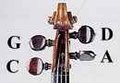
"Normal" stringing shown here; some players reverse the G and C.

First position viola fingerings

Gnome-mime-audio-openclipart
🎶 Styles And Genres
The viola is used in many musical styles! 🎶In classical music, you can hear violas in symphonies and concertos. In folk music, they might be found in traditional dances from countries like Germany and France. The viola also loves jazz! Some musicians blend it with rhythms and improvisation, creating unique sounds. Contemporary composers now write exciting pieces for the viola in rock and pop music too! So, whether you're in a grand concert hall or a cozy café, the viola can be found in all types of music! 🌍
Go deeper💪 Playing Techniques
To play the viola, you need to hold it correctly. First, place it between your chin and shoulder. Hold the bow using three fingers, while your other hand presses the strings on the fingerboard 💪. There are two main techniques: bowing and pizzicato. Bowing means drawing the bow across the strings, while pizzicato is plucking the strings with your fingers. Practice scales to improve finger strength! Players can also use vibrato, which adds a wobbly sound by moving their fingers back and forth on the string. Remember to have fun while learning new songs! 🎤
Go deeper🎵 Anatomy Of The Viola
The viola is made up of several important parts! The body of the viola is the large wooden part that resonates and produces sound. The strings stretch across a wooden bridge and are attached to tuning pegs on top. The fingerboard is where players press down on strings to make different notes 🎵. The bow, made from horsehair, is used to create sound by rubbing against the strings. Other parts include the chin rest, where players rest their chin, and the tailpiece that holds the strings in place. Each part works together to make beautiful music!
Go deeper🌟 Famous Viola Players
Many famous musicians have played the viola! One of the most renowned is Giovanni Battista Pergolesi, an Italian composer from the 1700s. Lionel Tertis (1876-1975) was another famous violist who helped people appreciate the viola's beauty. Today, players like Yuri Bashmet and Tabea Zimmermann continue to inspire young musicians around the world! 🌟These musicians have showcased the viola’s talents in concerts and recordings. Many of them perform on stages from New York to London, spreading the joy of viola music to audiences everywhere!
Go deeper🎉 History Of The Viola
The viola’s story begins in the late 1500s in Italy 🇮🇹, where it was developed from earlier string instruments like the violin. This instrument became popular during the Renaissance and Baroque periods. Its name comes from the Latin word “vitula,” which means “stringed instrument.” The viola was different from the violin because it was slightly larger and had a deeper sound. Famous violists, like Lionel Tertis and William Primrose, helped make the viola popular worldwide, even competing with the violin! 🎉
Go deeper💼 The Viola In Orchestras
In an orchestra, the viola has a special role 💼! It sits between the violins and cellos, helping to create harmony. While violins play the highest notes, violas play the middle notes, which makes the music sound fuller. Orchestras notice that violas can capture emotions really well, giving a warm, gentle sound to orchestral music. When you hear pieces like Tchaikovsky's Serenade for Strings or Brahms's Double Concerto, the viola can be heard beautifully supporting the melody. The viola is essential for making music come alive! 🎻
Go deeper🌟 Care And Maintenance Of The Viola
Taking care of your viola is important for keeping it in top shape! 🌟Always store it in a case when you’re not playing to protect it from damage. Clean the strings with a soft cloth after each use to remove rosin and dirt. It’s essential to check and tighten the bow regularly, as a loose bow can’t create great sound! If you notice any cracks or issues, ask a teacher or professional luthier for help. Keeping your viola in good condition ensures many years of beautiful music-making! 🎼
Go deeper🤓 Comparing Viola To Other String Instruments
The viola and violin may look alike, but they have some important differences! 🤓The viola is bigger and has thicker strings, which means it plays lower notes than the violin. The cello is even larger and is played sitting down, producing deep, resonant sounds. Lastly, the double bass is the largest and plays the lowest notes in the string family. Even though they are all string instruments, each one brings its unique voice to music. They work together to create a beautiful symphony of sounds! 🎵
Go deeper