Phragmites Facts For Kids
Phragmites is a genus of large perennial reed grasses found in wetlands worldwide, known for their tall stature and ecological importance.
Select reading age

Phragmites Facts For Kids
Videos & Quizzesincluded
About this topic
Phragmites, often called common reed, is a tall grass that grows in wetlands all over the world. 🌍Found in places like North America, Europe, and Asia, these plants can reach heights of 10-13 feet! They have tall stems and fluffy flower spikes that look like feather dusters! 🦩Phragmites provides shelter for animals and helps keep water clean. It's a super important part of the environment, and it can grow really fast in just about any wet area! Isn’t that cool? 🌱
Explore with ChatDinoKey Points
Throughout history, Phragmites has played an important role in many cultures.
Phragmites is a superhero of the wetland ecosystem!
Phragmites has a huge impact on biodiversity!
Phragmites belongs to the Poaceae family, which is a group of grasses!
Phragmites loves wet places!
Phragmites can grow really tall, sometimes as high as 13 feet!
While Phragmites is good for wetlands, sometimes it can become an invasive species.
Phragmites can be very helpful in landscaping, too!
To control the spreading of Phragmites, scientists and environmentalists use several strategies.
Scientists are working hard to learn more about Phragmites so we can protect our ecosystems.
Photos of Phragmites

Three Phragmites australis seedlings: A.) very young, B.) juvenile, C.) the oldest (3–4 months). Roman numerals denote different shoot generations. Sc=scutellum.(From Om Skudbygning, Overvintring og Foryngelse by Eugen Warming, 1884)

The duduk or mey mouthpiece is a flattened piece of giant reed Arundo donax, a relative of common reed, which itself is flattened to make the zurna reed.

A previously sandy beach in Hanko, Finland, now overrun with Phragmites reeds

Phragmites — photo 4

Phragmites — photo 5

Phragmites — photo 6
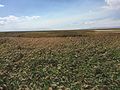
Phragmites — photo 7

🌏 Cultural Significance
Throughout history, Phragmites has played an important role in many cultures. 🌏People have used its tall stems for building materials, making mats, and even crafting musical instruments! 🎷In some places, these grasses are also used in traditional ceremonies. The reeds have also inspired artists and writers to create beautiful songs and stories about nature. 📚So, when you see Phragmites, remember they are not just plants; they are part of our history and culture, too! 🌼
Go deeper🦸♂️ Ecological Importance
Phragmites is a superhero of the wetland ecosystem! 🦸♂️ They help stop soil erosion, which means they keep the ground from washing away during rain. 🌧️ They also filter water, cleaning it by trapping dirt and pollutants. This makes our water healthier! Plus, these grasses provide food and shelter for many animals. 🦅Birds build nests in them, and small creatures hide among the reeds, creating a vibrant community. So whenever you see Phragmites, remember they're working hard for the environment! 🌍
Go deeper🌿 Impact On Biodiversity
Phragmites has a huge impact on biodiversity! 🌿Many animals rely on it for food and shelter. Fish, birds, and small mammals all thrive in Phragmites stands. 🐬Phragmites offers a safe place for animals to live and breed. However, when they spread too far, they can crowd out native plants, leading to less variety in nature. 🌍Protecting different plant species allows all kinds of creatures to coexist and ensures the health of ecosystems. Balancing Phragmites with other plants is key to keeping nature diverse! 🌈
Go deeper🌾 Botanical Classification
Phragmites belongs to the Poaceae family, which is a group of grasses! 🌾Its scientific name is Phragmites australis, and it was first described in 1753 by a Swedish scientist named Carl Linnaeus. This plant grows everywhere from tropical regions to cold places! ❄️ Phragmites has four species, and they all share similar characteristics like being tall and hardy. They thrive in moist environments, making them special grasses that are powerful and helpful! 🌿
Go deeper🌊 Habitat And Distribution
Phragmites loves wet places! 🌊You can find these tall grasses near lakes, rivers, marshes, and even in coastal areas! They grow in every continent except Antarctica, which is a big surprise! ❄️ In the U.S., they can be spotted from Maine to California! Their amazing adaptability means they can grow in different climates—from hot tropical places to chilly temperate zones. Phragmites creates lush green habitats where frogs, birds, and insects can live and play! 🐸🐦
Go deeper🌬️ Physical Characteristics
Phragmites can grow really tall, sometimes as high as 13 feet! 🌬️ Its stems are strong and can be green, yellow, or brown. The leaves are long and thin, almost like a ribbon 🎀, attached to the stem. What’s really cool are the fluffy flower heads that grow at the tips of the stems! These flowers look like little poofs and can sway beautifully in the wind! 🌾Phragmites can also spread quickly because it has roots that reach deep into the ground, allowing it to thrive in wet soils.
Go deeper🚫 Invasive Species Concerns
While Phragmites is good for wetlands, sometimes it can become an invasive species. 🚫This means it can spread too fast and take over areas where other plants live. When they do this, they can make it hard for other plants and animals to survive. This can upset the balance of the ecosystem. 👾In the United States, especially in the Great Lakes region, Phragmites is spreading quickly and taking over areas meant for native plants. This can cause trouble for the animals that depend on those native plants! 😢
Go deeper🌼 Uses In Landscape Management
Phragmites can be very helpful in landscaping, too! 🌼Since they love water, they are often used in wetland restoration projects to protect and restore habitats. They can also help with flood control by slowing down water movement and providing a safe home for wildlife! 🦆Additionally, these grasses are used to beautify parks and gardens. Their tall, fluffy heads sway gracefully in the breeze, adding a unique touch to any landscape. So, Phragmites is not just good for nature; it can also make places look lovely! 🌺
Go deeper🔥 Control And Management Strategies
To control the spreading of Phragmites, scientists and environmentalists use several strategies. One way is using controlled burns or cutting back the plants to help other species thrive. 🔥They also sometimes use special herbicides to help slow down Phragmites growth. However, using chemicals always needs to be done carefully to protect other plants and animals! 🌱It’s important to keep an eye on where Phragmites is growing so we can protect our ecosystems. With proper management, we can help maintain balance in our wetlands! ⚖️
Go deeper🧑🔬 Research And Conservation Efforts
Scientists are working hard to learn more about Phragmites so we can protect our ecosystems. 🧑🔬 Researchers study how this plant grows, spreads, and impacts wildlife. They also explore ways to control its spread while keeping it in balance with other plants. 🌱Many conservation groups are dedicated to restoring wetlands that have been affected by invasive Phragmites. By planting native species and educating communities, they help bring health back to ecosystems. Together, we can ensure that both Phragmites and our environment thrive! 🌳
Go deeper