All Articles

Olivier Messiaen

Olivier Messiaen Facts For Kids

Olivier Messiaen was a French composer, organist, and ornithologist known for his unique musical style that blends elements of classical music with bird songs and spirituality.

🎨 Reading age for 6-8
Background blob
Olivier Messiaen
Facts for Kids!

Do more with AI

Introduction

Olivier Messiaen was a famous French composer born on December 10, 1908, in Avignon, France! 🇫🇷 He was well known for creating beautiful music that combined sounds from nature with classical styles. Messiaen loved birds and studied their songs, using them to inspire his compositions! 🎶He wanted people to experience the joy of music and the wonders of the world around them. He lived a busy life until he passed away on April 27, 1992, in Paris. Messiaen's music is still enjoyed today and is considered interesting and unique! 🌍

Images of Olivier Messiaen

Messiaen with his mother and father in 1910

Messiaen with his mother and father in 1910

Paul Dukas's composition class at the Paris Conservatoire, 1929. Messiaen sits at the far right; Dukas stands at the centre.

Paul Dukas's composition class at the Paris Conservatoire, 1929. Messiaen sits at the far right; Dukas stands at the centre.

Église de la Sainte-Trinité, Paris, where Messiaen was titular organist for 61 yearsImage by Benchaum, licensed under Creative Commons Attribution-Share Alike 3.0

Église de la Sainte-Trinité, Paris, where Messiaen was titular organist for 61 years

With Claire Delbos
With Claire Delbos

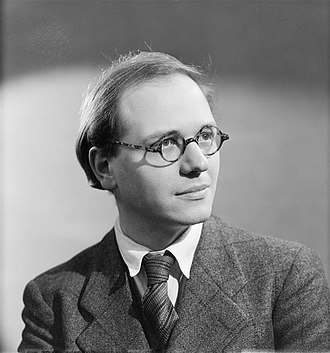
Messiaen by Studio Harcourt (1937)

Messiaen by Studio Harcourt (1937)

Yvonne Loriod teaching piano (1982)Image by Agence26, licensed under Creative Commons Attribution-Share Alike 4.0

Yvonne Loriod teaching piano (1982)

An ondes Martenot, an electronic instrument, for which Messiaen included a part in several of his compositions: the orchestra for his opera Saint François d'Assise includes three of themImage by 30rKs56MaE at Japanese Wikipedia, licensed under Creative Commons Attribution-Share Alike 3.0

An ondes Martenot, an electronic instrument, for which Messiaen included a part in several of his compositions: the orchestra for his opera Saint François d'Assise includes three of them

Example 1. A page from Oiseaux exotiques. It illustrates Messiaen's use of ancient and exotic rhythms (in the percussion near the bottom of the score "Asclepiad" and "Sapphic" are ancient Greek rhythms, and Nibçankalîla is a decî-tâla from Śārṅgadeva). It also illustrates Messiaen's precision in notating birdsong: the birds identified here are the white-crested laughing thrush (garralaxe à huppe blanche) in the brass and wind instruments, and the orchard oriole (troupiale des vergers) played on the xylophone.

Example 1. A page from Oiseaux exotiques. It illustrates Messiaen's use of ancient and exotic rhythms (in the percussion near the bottom of the score "Asclepiad" and "Sapphic" are ancient Greek rhythms, and Nibçankalîla is a decî-tâla from Śārṅgadeva). It also illustrates Messiaen's precision in notating birdsong: the birds identified here are the white-crested laughing thrush (garralaxe à huppe blanche) in the brass and wind instruments, and the orchard oriole (troupiale des vergers) played on the xylophone.

Example 2. The first bar of the piano Prélude, Instants défunts. An early example of Messiaen's use of palindromic rhythms (which he called non-retrogradable rhythms).Image by Olivier Messiaen (d. 1992), licensed under Fair use of copyrighted material in the context of Olivier Messiaen

Example 2. The first bar of the piano Prélude, Instants défunts. An early example of Messiaen's use of palindromic rhythms (which he called non-retrogradable rhythms).

Messiaen with his mother and father in 1910

Messiaen with his mother and father in 1910

Paul Dukas's composition class at the Paris Conservatoire, 1929. Messiaen sits at the far right; Dukas stands at the centre.

Paul Dukas's composition class at the Paris Conservatoire, 1929. Messiaen sits at the far right; Dukas stands at the centre.

Église de la Sainte-Trinité, Paris, where Messiaen was titular organist for 61 yearsImage by Benchaum, licensed under Creative Commons Attribution-Share Alike 3.0

Église de la Sainte-Trinité, Paris, where Messiaen was titular organist for 61 years

With Claire Delbos

With Claire Delbos

Messiaen by Studio Harcourt (1937)

Messiaen by Studio Harcourt (1937)

Yvonne Loriod teaching piano (1982)Image by Agence26, licensed under Creative Commons Attribution-Share Alike 4.0

Yvonne Loriod teaching piano (1982)

An ondes Martenot, an electronic instrument, for which Messiaen included a part in several of his compositions: the orchestra for his opera Saint François d'Assise includes three of themImage by 30rKs56MaE at Japanese Wikipedia, licensed under Creative Commons Attribution-Share Alike 3.0

An ondes Martenot, an electronic instrument, for which Messiaen included a part in several of his compositions: the orchestra for his opera Saint François d'Assise includes three of them

Example 1. A page from Oiseaux exotiques. It illustrates Messiaen's use of ancient and exotic rhythms (in the percussion near the bottom of the score "Asclepiad" and "Sapphic" are ancient Greek rhythms, and Nibçankalîla is a decî-tâla from Śārṅgadeva). It also illustrates Messiaen's precision in notating birdsong: the birds identified here are the white-crested laughing thrush (garralaxe à huppe blanche) in the brass and wind instruments, and the orchard oriole (troupiale des vergers) played on the xylophone.

Example 1. A page from Oiseaux exotiques. It illustrates Messiaen's use of ancient and exotic rhythms (in the percussion near the bottom of the score "Asclepiad" and "Sapphic" are ancient Greek rhythms, and Nibçankalîla is a decî-tâla from Śārṅgadeva). It also illustrates Messiaen's precision in notating birdsong: the birds identified here are the white-crested laughing thrush (garralaxe à huppe blanche) in the brass and wind instruments, and the orchard oriole (troupiale des vergers) played on the xylophone.

Example 2. The first bar of the piano Prélude, Instants défunts. An early example of Messiaen's use of palindromic rhythms (which he called non-retrogradable rhythms).Image by Olivier Messiaen (d. 1992), licensed under Fair use of copyrighted material in the context of Olivier Messiaen

Example 2. The first bar of the piano Prélude, Instants défunts. An early example of Messiaen's use of palindromic rhythms (which he called non-retrogradable rhythms).

Early Life And Education

Messiaen had an incredible childhood! His father was a professor, and his mother was a pianist 🎹. This helped him learn music from a young age. At just 7 years old, he started to write his own tunes! After that, he went to study at the Paris Conservatory when he was 11. This school taught him many important things about music theory and composition. He loved nature and often listened to birds singing nearby. 🐦Messiaen would later use these wonderful sounds in his music, making him one of the most unique composers of his time! 🎵

Musical Influence And Style

Messiaen's music is different from many other composers. His style is known for its rich colors and exciting rhythms! 🎨He was inspired by many things, including nature, religion, and even his love for birds! 🕊️ Messiaen often used unusual scales called "modal scales," which made his music feel fresh and new. He also loved to explore strange rhythms, which makes listening to his pieces an adventure! 🎉Many people find his music beautiful, as it often expresses deep feelings and experiences, like love and spirituality.

Analysis Of Key Compositions

Analyzing Messiaen's key works can reveal a lot about his unique style! 🎶In "Quartet for the End of Time," the use of bird songs and deep spiritual themes creates powerful emotions. 💫The piece has a mixture of instruments, like clarinet, cello, and piano, showcasing rich colors and textures. In "Turangalîla-Symphonie," he combines the ondes Martenot (a cool electronic instrument) with a full orchestra! 🎹The work expresses love and wonder, using exciting rhythms and themes. By examining these compositions, we can learn how Messiaen beautifully combined nature, spirituality, and innovative sounds into his music!

Major Works And Compositions

Messiaen created many beautiful pieces of music throughout his life! One of his most famous works is "Turangalîla-Symphonie," written in 1946. 🎼It has a joyful mix of sounds that takes listeners on a magical journey! Another important piece is "Quartet for the End of Time," composed while he was a prisoner during World War II. 😢It beautifully expresses hope and peace. Messiaen also created works like "Catalogue d'Oiseaux" ("Catalog of Birds") where he used real bird songs as inspiration! 🐤Each piece reveals his love for nature and spirituality, making them truly special.

Role As A Teacher And Mentor

Olivier Messiaen was not only a composer but also a wonderful teacher! 👩‍🏫 He taught music at the Paris Conservatory for many years. He was known for sharing his unique ideas with students, helping them discover their own musical voices. 🎶His students included famous composers like Pierre Boulez and Karlheinz Stockhausen! Messiaen encouraged them to explore the colors and rhythms in their compositions. He often emphasized the importance of listening to nature and expressing feelings through music. 🦜His role as a mentor inspired many young musicians around the world!

Religious And Spiritual Themes

Messiaen's music often has religious and spiritual themes. He was a devout Roman Catholic and believed that music could express his love for God. ⛪Many of his compositions reflect his faith and explore feelings like hope, joy, and peace. For example, in "Trois Petites Liturgies de la Présence Divine," he created music to celebrate the presence of God. ✨His pieces often use light and colors to describe religious feelings and experiences. Messiaen believed music could take people closer to understanding the spiritual world around them! 🌈

Collaboration With Other Artists

Messiaen loved working with other artists throughout his life! 🎨He collaborated not just with musicians, but also with painters, poets, and dancers. One of his famous partnerships was with choreographer Martha Graham, where he created music for her dance performances. 💃In addition, he collaborated with many talented musicians for concerts, bringing together different styles and ideas. Messiaen enjoyed the creative energy that came from working with other artists and believed that teamwork could lead to beautiful new creations! 🌟His spirit of collaboration contributed greatly to the arts community.

Innovations In Rhythm And Harmony

Messiaen was a true innovator when it came to music! 🎉He loved experimenting with rhythm and harmony, creating exciting new sounds. He used complex rhythms that made his compositions stand out, often mixing different patterns together. 🥁For example, he created what’s called "non-retrogradable rhythms," which are rhythms that stay the same whether you play them forward or backward! This was a new idea in the music world! 🌟His unique harmonies also made his music feel colorful and rich. These innovations helped shape the future of music and inspired many contemporary composers!

Legacy And Impact On Contemporary Music

Olivier Messiaen left a lasting legacy in the world of music! 🎵His innovative ideas about rhythm, harmony, and the use of nature in music continue to inspire many contemporary composers today. People like Kaija Saariaho and Unsuk Chin are influenced by his work. 🌍Many schools and universities study his compositions to teach young musicians about creativity and originality. Messiaen's unique style pushes the boundaries of traditional music, encouraging everyone to explore their own voices! 🎉His profound impact ensures that his music will be cherished for generations to come!

Olivier Messiaen Quiz

Q1
Question 1 of 10

Learn more about Olivier Messiaen

Ready to create?

Drop Files here
Make

To create a safe space for kid creators worldwide!

Create

Vibe Coding

Kids GPT

All Tools

Kibu

Resources

Worksheets

SafeTube

Blog

FAQ

Account

Pricing

Log-in

Sign-up

Data Deletion

Company

About

Community Guidelines

Privacy Policy

Terms of Service

2025, URSOR LIMITED. All rights reserved. DIY is in no way affiliated with Minecraft™, Mojang, Microsoft, Roblox™ or YouTube. LEGO® is a trademark of the LEGO® Group which does not sponsor, endorse or authorize this website or event. Made with love in San Francisco.