Migraine Facts For Kids
Migraine is a complex neurological disorder that causes severe headaches, often accompanied by nausea and sensitivity to light and sound, affecting people of all ages.
Select reading age

Migraine Facts For Kids
Videos & Quizzesincluded
About this topic
A migraine is a type of headache that can be really painful! 🤕It usually happens on one side of the head. People with migraines often feel sick to their stomach and might not want to be around bright lights or loud noises. Did you know that around 1 in 5 people have migraines? 🌍They can start in childhood, and sometimes they run in families, meaning if your mom or dad has them, you might too! The exact cause is still being studied, but it has to do with how our brains work. Let's dive deeper into this interesting topic! 📚
Explore with ChatDinoKey Points
There are different types of migraines!
Preventing migraines can be super helpful!
Migraines can affect a person’s daily life a lot!
Migraine symptoms can be different for everyone but can include severe headaches, nausea, and light or sound sensitivity.
When someone thinks they have migraines, they usually visit a doctor.
Making some changes in daily life can help reduce migraines!
There are many myths about migraines that aren't true!
Scientists are always studying migraines to understand them better!
Did you know kids can have migraines too?
Photos of Migraine

Migraine — photo 1

Migraine — photo 2

Migraine — photo 3

Migraine — photo 4

Intracranial cavernous sinus: a potential site where dilation of cerebral vessels can compress multiple cranial nerves.
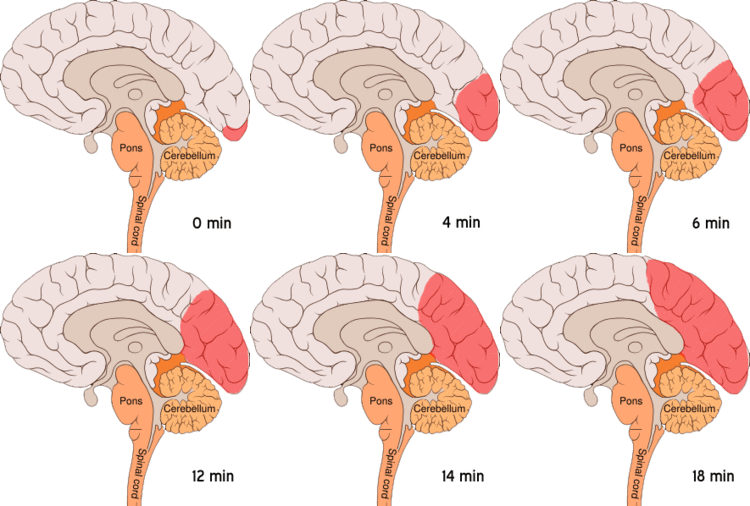
Animation of cortical spreading depression

Percent of women and men who have experienced migraine with or without aura within the last 3 months

The Head Ache, George Cruikshank (1819)

A trepanated skull, from the Neolithic. The perimeter of the hole in the skull is rounded off by ingrowth of new bony tissue, indicating that the person survived the operation.
🌈 Types Of Migraine
There are different types of migraines! The most common one is called a “migraine without aura.” This means people feel intense pain without any warning signs. But sometimes, people can have a “migraine with aura,” where they see flashing lights or strange shapes before the pain starts. 🌈Another type is a "chronic migraine," which happens 15 days or more each month! There’s even something called a "hemiplegic migraine," where someone might feel weakness on one side of the body. Whatever the type, each migraine can feel different for each person! 🌟
Go deeper🚫 Preventive Measures
Preventing migraines can be super helpful! 🚫One way to do this is by keeping a "migraine diary," where kids can write down when they have headaches and what they were doing or eating. This helps find patterns. 📝Staying hydrated by drinking enough water is also important. Healthy eating, regular sleep, and finding ways to relax, like doing deep breathing or yoga, can also act as preventers! Remember, keeping track can help you talk to your doctor about the best plan.
Go deeper🏫 Impact On Daily Life
Migraines can affect a person’s daily life a lot! 🏫Kids who have migraines might miss school or activities because they don’t feel well. It can also make it hard to play with friends or do homework. Many kids worry about when the next one will hit. It's important to talk about these feelings! Support from friends and family helps kids cope better and feel less alone. 👪With the right care, kids can learn to manage their migraines and still have lots of fun! 🌈
Go deeper🍫 Symptoms And Triggers
Migraine symptoms can be different for everyone but can include severe headaches, nausea, and light or sound sensitivity. For some kids, certain things can trigger their migraines. 🍫Common triggers include stress, not sleeping well, certain foods (like chocolate or cheese), and even weather changes. 🌧️ Sometimes activities like playing video games or not drinking enough water can also set them off. It's super important to pay attention to what makes your migraine worse, so you can try to avoid it!
Go deeper🩺 Diagnosis And Treatment
When someone thinks they have migraines, they usually visit a doctor. The doctor asks questions about when the headaches happen and what they feel like. 🩺Sometimes, they might use tests, but most of the time, they rely on what the patient describes. Treatment can include medicine to help with pain. 💊There are special medicines called "triptans" that can stop a migraine. Doctors also suggest resting in a cool, dark room when the headache comes. The goal is to make the headaches less painful and less frequent! 🌙
Go deeper😊 Lifestyle Modifications
Making some changes in daily life can help reduce migraines! 😊Regular exercise, like riding a bike or playing outside, can make your head feel better. Eating balanced meals with fruits and veggies is important too! 🍏Also, making sure to get enough sleep is super important! Kids need about 9 to 12 hours of sleep every night. ⏰Taking breaks from screens and spending time outdoors can help keep headaches away. Every little change can make a big difference in how you feel! 🌞
Go deeper🤔 Common Myths About Migraines
There are many myths about migraines that aren't true! 🤔One big myth is that only adults get migraines, but kids can get them too! Another myth is that migraines only hurt the head, but they can cause tummy aches and make you feel dizzy. 🚫Some people think taking medicine always helps, but sometimes rest and a quiet spot can be better! It’s good to ask questions and learn more, so we can bust these myths together! 🌟Remember, knowledge is power! 📣
Go deeper🔬 Research And Future Treatments
Scientists are always studying migraines to understand them better! 🔬They're working on new treatments to help people feel better faster. Some researchers are exploring new medicines and even therapies like biofeedback, which helps people control body functions. 💡There are also talks about using devices that send gentle pulses to the brain to help with pain. As we learn more, hopefully, there will be better ways to treat migraines and help kids live their best lives! 🥳
Go deeper😮 Migraine In Children And Adolescents
Did you know kids can have migraines too? 😮About 10% of kids might experience them, often between ages 5 and 15. These migraines can also be just as painful as adult migraines! However, they may not always be able to explain how they feel. It's important for parents to pay attention and help kids get the care they need. Sometimes, migraines in children can be triggered by stress from school or activities. 🎒Finding ways to talk and relax can help kids feel better and manage their headaches better!
Go deeper