Market Socialism Facts For Kids
Market socialism is an economic system that integrates market mechanisms with social ownership and democratic control of the means of production, aiming to achieve both efficiency and equity.
Select reading age
Market Socialism Facts For Kids
Videos & Quizzesincluded
About this topic
Market socialism is a special type of economy where both the government and people work together! 🤝In this system, businesses can be owned by the state (the government) or by workers. This means everyone can share in the profits. For example, in countries like China and Vietnam, they use market socialism to help everyone get what they need. It mixes ideas from capitalism 📈 (where private owners run businesses) and socialism 🏙️ (where the government helps provide things for everyone). This way, people can have their cake and eat it too, by enjoying the benefits of both systems!
Explore with ChatDinoKey Points
The idea of market socialism started gaining attention during the 20th century.
Market socialism has its supporters and critics!
In the world, there are different economic systems!
Market socialism has a big impact on both society and the economy!
The future of market socialism is exciting, but it has challenges!
Let’s look at some real examples where market socialism was used!
Market socialism has some important ideas!
Today, market socialism is still relevant in many parts of the world!
Photos of Market Socialism

Pierre-Joseph Proudhon was the primary proponent of mutualism and influenced many later individualist anarchist and social anarchist thinkers.

Libertarian socialist mural reading "Free market, anti-capitalist"

Richard D. Wolff is a Marxian economist who is a proponent of workers self-directed enterprises.
🌍 Historical Context
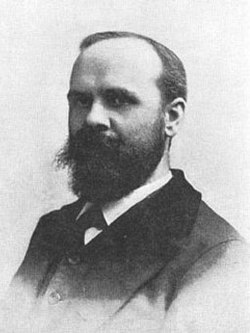
The idea of market socialism started gaining attention during the 20th century. 🌍After World War II, many countries wanted to rebuild and help their people. Countries like Yugoslavia tried market socialism in the 1940s and 50s. They thought that letting workers own their businesses would make people happier! 🥳Over the years, other countries looked at this idea. They wanted to find a balance between private businesses and government help. People like Oskar Lange, a Polish economist, shared ideas about how this system could work better for everyone, making it an important part of economic discussions!
Go deeper🤗 Debates And Critiques
Market socialism has its supporters and critics! Some people believe it helps everyone get a fair chance 🤗, keeping important services available while still allowing businesses to thrive. However, some critics argue that it can lead to inefficiency 😕, where decision-making may take longer. Others worry that workers may not take their responsibilities seriously since they share ownership. This debate is important because it helps improve the system! By discussing different views, countries can learn what works best for their communities. Engaging in dialogue is key!
Go deeper📈 Comparative Economic Systems
In the world, there are different economic systems! Let's explore a few! First, capitalism 📈 allows people to own businesses and make profits without much government help, like in the United States. Next, socialism 🏙️ is where the government controls businesses to provide for everyone, like in Cuba. Market socialism is a mix of both! 🌈It aims to provide workers with opportunities while still having government support. Each system has its strengths and weaknesses, making it interesting to see how different countries choose to run their economies!
Go deeper🏙️ Impact On Society And Economy
Market socialism has a big impact on both society and the economy! 🏙️ By sharing profits and letting people have a say, it can create a happier community. It also helps ensure that everyone has access to important things like health care and education 📚. With government support, projects can be started to help improve the country. However, like any system, it has challenges. Some people might feel like they work hard without much reward. Finding a balance will be essential for creating a strong society where everyone benefits!
Go deeper🌟 Future Prospects And Challenges
The future of market socialism is exciting, but it has challenges! 🌟Many countries are trying to figure out how to make their systems fairer and more efficient. Climate change is one big challenge! ☀️ How can market socialism help protect our planet while ensuring everyone has what they need? There’s also the challenge of technology 📱. As robots and AI become more common, we have to think about how to include everyone in this changing world. By working together and being creative, future generations can find new ways to make market socialism work for everyone!
Go deeper🐉 Case Studies Of Market Socialism
Let’s look at some real examples where market socialism was used! In China 🐉 since the 1980s, the government encouraged private businesses alongside state-owned ones. This helped lift millions out of poverty! In Yugoslavia, worker-managed companies were tried in the mid-20th century, allowing workers to make decisions in their businesses. However, this system faced challenges, leading to changes later on. Vietnam is another example, combining socialist policies with market practices to boost its economy 📈. These cases show how market socialism can create opportunities for people!
Go deeper💰 Key Principles Of Market Socialism
Market socialism has some important ideas! First, businesses can be owned by the government or by the workers themselves. This means that profits can benefit everyone instead of just a few people. 💰Second, the market, where buying and selling happens, is still important, but with rules to help everyone. For example, prices may be set to ensure equal access to resources! Additionally, government planning can help direct things to meet people's needs. So, it's all about finding a balance! ⚖️ This way, everyone can contribute and share in the rewards.
Go deeper🌍 Market Socialism In The Modern World
Today, market socialism is still relevant in many parts of the world! 🌍Countries like China and Vietnam use this system, adapting it to fit their unique cultures and needs. Both countries have shown amazing growth and improvement in living standards. In recent discussions, many other nations are exploring how to combine market socialism’s ideas into their own systems, especially addressing issues like income inequality 📉. This blending of ideas shows how flexible and dynamic economic systems can be, helping people work together for the common good!
Go deeper