Homo heidelbergensis is an extinct species of archaic human that lived from around 600,000 to 300,000 years ago in various parts of Europe, Africa, and Asia.
Set reading age
View for Kids
Easy to read and understand
View for Students
Clear, detailed explanations
View for Scholars
Deep dives and big ideas
Homo heidelbergensis is an ancient relative of modern humans that lived over 600,000 to 300,000 years ago! 🕰️ They were discovered near Heidelberg, Germany, in 1907, which is how they got their name. These early humans were strong and tall, standing about 5 feet 9 inches (1.75 meters) high. They are thought to be our ancestors and were part of the family tree leading to both Neanderthals and modern humans! 🌳Homo heidelbergensis had a big brain and made tools. Their story helps us learn about how humans developed over time! 📚
Homo heidelbergensis had a diverse diet! 🥩They were hunter-gatherers, which means they hunted animals and gathered plants, fruits, and nuts. They likely hunted large animals like deer and elephants! 🦙Evidence shows they cooked their food using fire, making it easier to eat. Fire also kept them warm and safe. 🔥They needed lots of calories to fuel their big brains and strong muscles. Scientists learn about their diet by studying animal bones and tools found at their ancient sites!
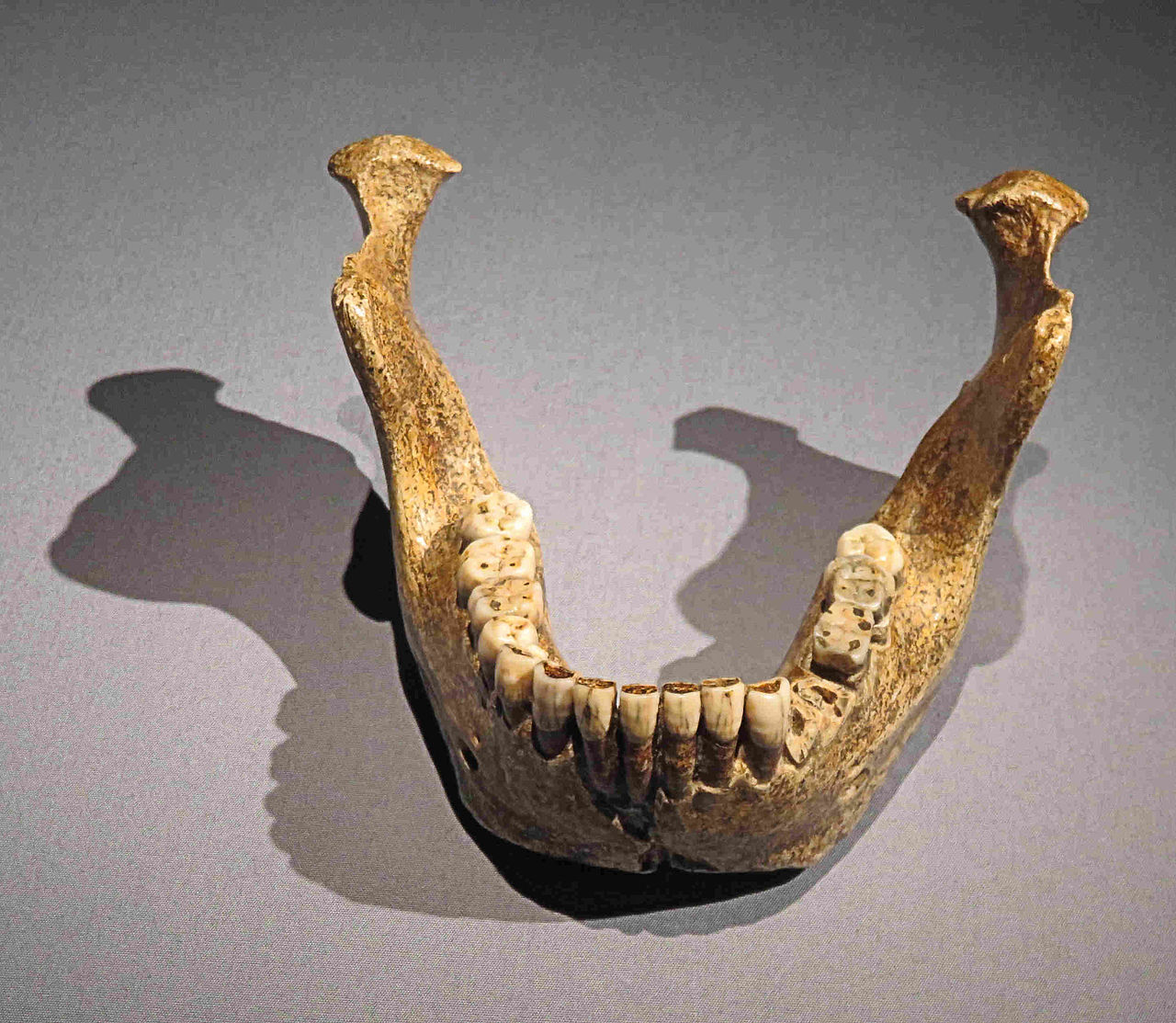
Fossils of Homo heidelbergensis have been found in fascinating places! 🦴Some of the most famous discoveries include the Sima de los Huesos in Spain, where over 28 individuals were found. In Germany, the Mauer jawbone, discovered in 1907, was the first fossil linked to this species! 🥢Other fossils have been found in sites across Africa and Europe. Each of these discoveries helps scientists build a clearer picture of what life was like for these early humans. Their fossils tell us about their physical traits, habitats, and behaviors! 🕵️♂️
The reasons for the extinction of Homo heidelbergensis are still a mystery! 🕵️♀️ Some scientists believe they may have competed with Neanderthals and early modern humans for food and resources. Others think climate change affected their habitats, making it harder for them to survive. 🌡️ As they eventually vanished, their traits and genes contributed to the evolution of future human species. Studying them teaches us about survival and adaptation, which are still important today as we face our own climate challenges! 🌈
These ancient humans were great toolmakers! 🛠️ Homo heidelbergensis created a variety of stone tools using a technique called the "Levallois technique," which allowed them to make sharp-edged tools. 🪨They crafted tools for cutting meat, scraping skins, and processing plants. This creativity showed their intelligence in adapting to their environment. They also likely made wooden tools and may have even invented the first spears to catch prey! 🏹Their tools helped them survive and thrive in challenging conditions.
Homo heidelbergensis lived in different parts of Europe, Africa, and even Asia! 🌍They roamed places like the forests and grasslands of Germany, Spain, and England. They adapted to ice ages and warmer periods, which shows they were very clever! 🏞️ Fossils of these early humans have been found in famous locations like the Sima de los Huesos in Spain. The discovery of their remains in different regions helps scientists understand where they traveled and lived during the Middle Pleistocene. 🚶♂️
Homo heidelbergensis had some pretty neat physical traits! 🦴They had a large skull with a low forehead and big brow ridges, which made their faces look different from ours. Their teeth were strong and designed for chewing tough food. They were built robustly, which means they were strong and muscular. 📏On average, their brain size was about 1200-1300 cubic centimeters, similar to modern humans! 💡Their bodies were well-suited for hunting and gathering in their environment. Imagine being strong enough to survive in the wild!
Homo heidelbergensis is very important to scientists studying human evolution! 🧬They bridge the gap between earlier human species, like Homo erectus, and later ones, like Neanderthals and modern humans. Their big brains and advanced tools show us how human intelligence and adaptability grew over time. 🌱By understanding Homo heidelbergensis, we can learn about how our ancestors survived and evolved into the humans we are today! This helps us connect the dots in the long story of human history. 📖
Homo heidelbergensis lived in groups and probably worked together to find food and protect each other. 🤝They may have shared responsibilities in hunting and gathering. This teamwork helped them survive and raise their young. 🍼They likely cared for each other, as some evidence suggests. They may have buried their dead with some respect, showing they had emotional bonds and a sense of community. This social structure helped them adapt and thrive as a species! 🌼
Homo heidelbergensis is similar yet different from other Homo species! 🌍They are more robust than modern humans, but their brain size was quite similar. Unlike Neanderthals, who evolved from them, Homo heidelbergensis may have lived in warmer climates, adapting quickly to changes. Additionally, they had more advanced tools compared to their ancestors, like Homo erectus. ✨Understanding their similarities and differences helps us see how different human species adapted to their environments over time! 📊


DIY is a creative community where kids draw, build, explore ideas, and share.
No credit card required