A hippie is someone associated with the vibrant counterculture of the 1960s and early 1970s, characterized by a pursuit of peace, love, and self-expression.
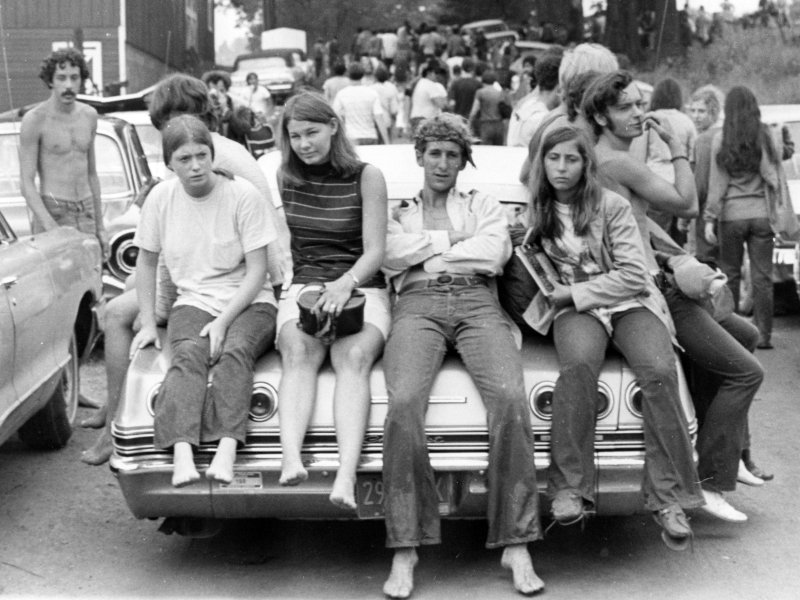
Hippies were a fun group of people who started a movement in the United States during the 1960s. πΌThey were known for their colorful clothes, love for peace, and musical festivals! The hippie culture wanted to share ideas about love, nature, and creativity. Many hippies believed in living happily without hurting others. The movement grew and influenced many people across the world! πFrom America to places like Europe, hippies sparked exciting changes in how people thought and lived, encouraging everyone to be unique and express themselves freely.
Beatniks posing in front of a piece of beatnik art, 1959. The Beat Generation are seen as a predecessor to the hippie movement
.mw-parser-output .templatequote{overflow:hidden;margin:1em 0;padding:0 32px}.mw-parser-output .templatequotecite{line-height:1.5em;text-align:left;margin-top:0}@media(min-width:500px){.mw-parser-output .templatequotecite{padding-left:1.6em}}Escapin' through the lily fields I came across an empty space It trembled and exploded Left a bus stop in its place The bus came by and I got on That's when it all began There was cowboy Neal At the wheel Of a bus to never-ever land β Grateful Dead, lyrics from "That's It for the Other One"[46]
Junction of Haight and Ashbury Streets, San Francisco, celebrated as the central location of the Summer of Love
Swami Satchidananda giving the opening talk at the Woodstock Festival of 1969
βοΈ Hippies And Politics
Hippies were very passionate about politics! They protested against the Vietnam War, believing it was unfair and wrong. βοΈ Many young people held rallies and marches, saying, "Make love, not war!" They wanted world leaders to focus on peace instead. πHippies also fought for civil rights, supporting equality for everyone, no matter their skin color or background. Their determination inspired other groups and changed how people viewed freedom and fairness in society!
Hippie fashion was all about bright colors and being different! πΈThey often wore loose-fitting clothes, like tie-dye shirts, bell-bottom pants, and flower crowns. πΌJewelry made of beads and peace signs was popular too! Most hippies preferred to live in communities, sharing resources and supporting each other. They enjoyed activities like camping, traveling, and making art! πMany hippies also chose to eat healthy, often becoming vegetarians and growing their own food.
Hippies believed in love, peace, and harmony. βοΈ They encouraged everyone to treat each other with kindness. Many hippies practiced caring for the Earth, living naturally, and supporting social justice. They often spoke out against war and violence. πThey believed in free expression and creativity, which means everyone should have the right to be themselves. Hippies loved to spend time outdoors and appreciate nature, believing it helped them connect with the world around them!
One of the most famous events for hippies was the Woodstock Festival in 1969, held in New York. πAround 400,000 people attended to enjoy music and celebrate peace. This event featured amazing bands like Jimi Hendrix and Janis Joplin! πAnother important event was the Summer of Love in 1967, where thousands of young people gathered in San Francisco, California. They promoted love, peace, and community. These gatherings changed many people and helped spread hippie ideas worldwide!
The hippie movement greatly influenced art and literature! π¨Artists began creating colorful, expressive works that celebrated peace and nature. The use of vibrant colors and playful designs became very popular. Authors like Ken Kesey wrote books that captured the spirit of the hippie era, such as "One Flew Over the Cuckoo's Nest." π Writers encouraged readers to think differently and challenge traditional ideas. The era sparked creativity in many forms, shaping pop culture for generations to come!
The legacy of the hippie movement still lives on today! πΌTheir messages of love, peace, and being yourself influence many people worldwide. Activism for social change and environmental protection can be traced back to their efforts. πFairs and festivals celebrating music and arts often have roots in the hippie era. By expressing themselves freely, hippies encouraged creativity and open-mindedness in communities, reminding us all to embrace love and kindness!
Hippies loved music! πΈThe 1960s was a golden age for songs filled with messages about peace and freedom. Famous musicians like Bob Dylan and The Beatles influenced hippie culture with their creative sounds. π€Festivals like Woodstock in 1969 brought together thousands of people to celebrate music and peace. Many songs from this time still inspire people today! The vibrant arts and colorful expressions in music reflected the hopes and dreams of a new era.
The hippie movement began around 1965 in California, USA, during a time of exciting changes in music, art, and ideas. πΆYoung people wanted to change the world and make it more peaceful. They felt unhappy about wars, such as the Vietnam War, and wanted to promote love and friendship instead. πThe word "hippie" is said to come from βhipster,β a term describing beatniks from the 1950s. As more young people joined in, the hippie culture quickly spread across America and then around the world!
Hippie culture didn't stay in Americaβit traveled all around the world! πFrom Europe to Asia, many young people adopted hippie ideas. Festivals celebrating music, art, and love sprang up in countries like England and Australia. πEven today, you can see hints of hippie culture in various parts of the world, like colorful clothing, peace symbols, and community gatherings. Many people still believe in the key values of the hippie movement, showing how powerful and lasting their ideas can be! βοΈ