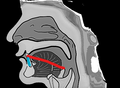
Hangul is the writing system used in Korean, known for its simplicity, efficiency, and cultural significance.
Set reading age
View for Kids
Easy to read and understand
View for Students
Clear, detailed explanations
View for Scholars
Deep dives and big ideas
Hangul (한글) is the wonderful writing system of Korea! It was created to help people read and write easily. 🎉Formed in the 15th century, Hangul contains 14 basic consonants and 10 basic vowels. This makes it super fun and simple to learn! The Korean language uses Hangul today, which is spoken by about 80 million people around the world! 🌎Hangul’s easy design lets kids and adults learn how to write and read quickly. Isn’t that amazing? Let’s dive into the history and features of this special alphabet!
The future of Hangul looks bright and exciting! 🌞As more people around the world become interested in Korean culture, learning Hangul will be even more popular! Kids all over will continue to use it to express their creativity, and it will keep growing in tech and education! 📈With the mix of tradition and modern technology, Hangul will stay relevant for future generations. So, jump into the wonderful world of Hangul. You can be a part of its amazing journey! 🚀💖
Hangul was invented in 1443 by King Sejong the Great and his scholars in Korea. 🏰King Sejong wanted all people, even those who were not educated, to read and write. Before Hangul, Koreans used complicated Chinese characters, making it hard for most people. In 1446, Hangul became the official script! 📜King Sejong and his team created Hangul as a way to promote knowledge and communication among the Korean people. Today, we celebrate Hangul Day (Hangeul-iNal) on October 9th in South Korea and January 15th in North Korea to honor this incredible invention! 🎈
Hangul is super easy since it has syllables made up of different letters! 😉Each block in Hangul represents a syllable, and these blocks are made of consonants and vowels. For example, the word "Hangul" (한글) has two blocks: 한 (han) and 글 (geul). Each individual letter fits together like a puzzle! 🧩There are 14 basic consonants and 10 basic vowels, and when mixed, they create many different sounds. Some common consonants include ㄱ (g), ㄴ (n), and ㅅ (s), while vowels such as ㅏ (a) and ㅗ (o) help form syllables. Cool, right?
Pronouncing Hangul is like learning a fun language puzzle! 🎶Each letter has its own sound, and when you put them together in a block, you get a new sound! For example, the letter ㄱ sounds like "g" or "k," and the vowel ㅏ sounds like "ah." So, when combined, they create 한 (han). 🥳Some sounds change a little when placed together, like ㅂ (b) and ㅣ (i) making "bi." Practicing these sounds can be a lot of fun, just like singing! 🎤
In today's high-tech world, Hangul is everywhere! 🖥️ From smartphones to computers, you can type in Hangul just like any other language. People use Hangul to create fun apps, games, and websites. 🌐It’s easy to switch between languages while chatting with friends! Some social media platforms even feature special Hangul stickers and emojis! So, whether you’re playing a video game or making new friends online, Hangul is there to add a sprinkle of Korean flavor to your life! 🍰
Today, Hangul is everywhere in South Korea! 🚀You can find it on signs, books, and even TV shows! Kids learn Hangul in school from a young age, making it easy to communicate with each other and learn about their culture. 📖Many people also use Hangul on their smartphones and computers! With the rise of K-pop and Korean dramas, Hangul has gained even more fans around the world. So, next time you watch a Korean show or listen to music, check out the Hangul that comes with it! 🎬🎶
Learning Hangul is exciting and fun in schools! 🎓Children in South Korea start learning Hangul in kindergarten. Teachers use fun tools like songs, games, and stories to help kids remember the letters and sounds! 🤹♀️ In many places, kids also create their own stories and poems using Hangul. This helps them express themselves and share their feelings. Learning Hangul opens the door to understanding Korean culture, history, and even making friends from all around the world! 📚💕
Hangul has made a big impact around the world! 🌍Thanks to Korean culture, many people are learning Hangul to enjoy K-pop, Korean dramas, and delicious Korean food! 🥢Language learners everywhere love to try reading and writing in Hangul! Schools and clubs are popping up that teach Hangul and share Korean traditions. Hangul also inspires creativity, with artists and designers using its beautiful letters in their work. Who knows? You might be inspired to create something amazing too! 🎨✨
Hangul is not just an alphabet; it represents the Korean identity! 🌺The invention of Hangul gave power to the people, allowing them to read and write their language. It is celebrated in songs, artworks, and stories. 📚Hangul shows the beauty of Korean culture, and each letter has its own special meaning. The love for Hangul can be seen in festivals, where people celebrate their language and honor King Sejong. It brings people together, just like friends sharing fun stories! 💖
Hangul is unique compared to other writing systems like Latin or Chinese characters! ✍️ While Latin uses single letters to represent sounds, Hangul combines letters into blocks to make a syllable. For example, the Latin alphabet has 26 letters, while Hangul has 24 letters (14 consonants + 10 vowels). 🌟Unlike the Chinese script with thousands of characters, Hangul is much simpler and easier to learn! Kids can quickly read and write sentences without memorizing complicated symbols. This makes Hangul special and fun! 🎉


DIY is a creative community where kids draw, build, explore ideas, and share.
No credit card required