Georgian Scripts Facts For Kids
The Georgian scripts are three remarkable writing systems—Asomtavruli, Nuskhuri, and Mkhedruli—used to express the Georgian language and culture.
Select reading age

Georgian Scripts Facts For Kids
Videos & Quizzesincluded
About this topic
The Georgian scripts are three special ways to write the beautiful Georgian language! 🌍These scripts help people in Georgia, a country in the South Caucasus region of Europe, share stories and communicate. The three scripts are Asomtavruli, Nuskhuri, and Mkhedruli. The Georgian language is older than 1,500 years! 📜Learning these scripts can be fun and exciting! Each script looks different and has its own charm, making it important for Georgian culture. Georgia is known for its unique food and friendly people, but it’s also famous for its writing! Isn’t that cool? 😄
Explore with ChatDinoKey Points
There are three main types of Georgian scripts: Asomtavruli, Nuskhuri, and Mkhedruli.
The history of Georgian scripts goes back to the 5th century!
Mkhedruli script has 33 letters, making it easy to learn!
The evolution of Georgian scripts is a fascinating journey!
Georgian scripts play a huge role in the country’s literature!
In the digital age, Georgian scripts are making waves in technology!
Asomtavruli and Nuskhuri serve special purposes in Georgian culture.
Georgian scripts are unique compared to other alphabets around the world.
Georgian writing holds a special place in the hearts of Georgians!
Educators play an essential role in preserving Georgian scripts!
Photos of Georgian Scripts

Terra Sancta Museum, Jerusalem, Israel.

Georgian Scripts — photo 2

Iadgari of Mikael Modrekili in Asomtavruli, 10th century.

Georgian Scripts — photo 4

Georgian Scripts — photo 5

Georgian Scripts — photo 6

Georgian Scripts — photo 7
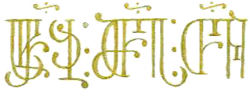
Georgian Scripts — photo 8

Direction of writing of Georgian Asomtavruli letters
🌟 Types Of Georgian Scripts
There are three main types of Georgian scripts: Asomtavruli, Nuskhuri, and Mkhedruli. Each one has its own unique style. 🌟Asomtavruli is known for its big, bold letters used mostly in titles or monuments. It looks very elegant and ancient! Nuskhuri has smaller and more rounded letters, often used in religious texts. Lastly, Mkhedruli, with its simple and modern look, is what people use every day for writing books, signs, and online communication! 📚The cool thing is that all three scripts still play a role in writing today!
Go deeper📅 History Of Georgian Scripts
The history of Georgian scripts goes back to the 5th century! 📅The first script, Asomtavruli, was created by King Pharnavaz I of Iberia to help unify the Georgian tribes. Later, in the 10th century, the Nuskhuri script was developed for religious writing. ⛪Mkhedruli, the most commonly used today, appeared around the 11th century and is still used for everyday writing. King David IV even helped promote the use of Mkhedruli during his reign, from 1089 to 1125! 🏰All three scripts tell us stories about Georgia's past and its people.
Go deeper🎉 Characteristics Of Mkhedruli
Mkhedruli script has 33 letters, making it easy to learn! 🎉Unlike the other scripts, Mkhedruli doesn’t use capital letters! This makes writing look smooth and flowing. The letters are very stylish and represent sounds in the Georgian language. 🌀A fun fact: some letters can look similar but have different sounds! Isn’t that interesting? Mkhedruli is used widely in books, newspapers, and signs in modern Georgia! It allows people to express themselves and share their stories in a lively way. 📖
Go deeper🕰️ Evolution Of Georgian Scripts
The evolution of Georgian scripts is a fascinating journey! 🕰️ From the early days of writing, when Asomtavruli was created, to the development of Nuskhuri and Mkhedruli, each script has changed over time. ✍️ Asomtavruli was the first, used primarily for grand titles. Then came Nuskhuri, introduced for a softer and religious feel. Mkhedruli evolved later and became the primary script used today! The changes show how language and culture adapt, keeping the essence of Georgia alive while still moving forward. 🥳
Go deeper📖 Georgian Scripts In Literature
Georgian scripts play a huge role in the country’s literature! 📖Some great Georgian writers, like Shota Rustaveli, used these scripts to create amazing stories! His epic poem, "The Knight in the Panther's Skin," written in the 12th century, is still celebrated today. 🎉Authors have used Mkhedruli for poetry, novels, and plays. This means that Georgian culture and stories can be shared easily! 📚Children can read these stories and learn valuable lessons about love, bravery, and friendship. Georgian writing brings people together through tales that have lasted for generations! 🌟
Go deeper📱 Georgian Scripts And Technology
In the digital age, Georgian scripts are making waves in technology! 📱You can write in Mkhedruli on your smartphone or computer using special keyboards. 👩💻 Websites and apps display Georgian, allowing people to connect globally! Social media platforms like Facebook also support Georgian scripts. This makes it easier for young Georgians to express their ideas and share their culture online. 🌐Learning the scripts is not only exciting but also useful, as it helps kids connect with their heritage in modern times! 🌈
Go deeper📜 Usage Of Asomtavruli And Nuskhuri
Asomtavruli and Nuskhuri serve special purposes in Georgian culture. 📜Asomtavruli, characterized by its large and decorative letters, is often seen in church inscriptions, monuments, and important documents. ⛪It gives a sense of tradition and respect. Nuskhuri, on the other hand, is usually found in older religious texts and historical books. 📚It’s used in more formal writing. Together, these scripts keep the rich history of Georgian writing alive and show how deeply the language is valued in society.
Go deeper🗺️ Comparative Analysis With Other Alphabets
Georgian scripts are unique compared to other alphabets around the world. 🗺️ For example, the Latin alphabet (used in English) has 26 letters, while Mkhedruli has 33! 🌐The way the letters are shaped is also different. Many languages, like Arabic and Russian, have their own unique scripts too! The letters in the Georgian scripts are curvy and artistic, making them stand out. 🎨Each writing system reflects the culture and history of its people, and Georgian scripts are no exception! They show the beauty and creativity of the Georgian language.
Go deeper❤️ Cultural Significance Of Georgian Writing
Georgian writing holds a special place in the hearts of Georgians! ❤️ It represents their identity, history, and traditions. The scripts tell stories of bravery, love, and the fight for freedom. 📜When children learn to read and write in Georgian, they connect with their culture and the generations that came before them. Many Georgian holidays, like Saint George's Day, highlight the importance of their language and scripts. 🥳The writing helps preserve not just the language, but also songs, dances, and customs that make Georgia unique. Celebrate by learning how to write in Georgian!
Go deeper🏫 Preservation And Teaching Of Georgian Scripts
Educators play an essential role in preserving Georgian scripts! 🏫Children start learning Mkhedruli and other scripts in school, helping them understand their roots. Many fun activities, like writing competitions and storytelling sessions, make learning exciting! 🎨Families also encourage their children to read books written in Georgian. In 2016, the government even declared October 14 as the Day of the Georgian Language, promoting pride in their writing systems! 📅With ongoing efforts, Georgia ensures that its beautiful scripts will continue to flourish for future generations to enjoy and cherish. 🌟
Go deeper