Freezing Rain Facts For Kids
Freezing rain is rain that freezes upon contact with surfaces that are below freezing, creating icy conditions.
Select reading age

Freezing Rain Facts For Kids
Videos & Quizzesincluded
About this topic
Have you ever heard of freezing rain? 🌧️❄️ It’s a special type of weather that happens when raindrops turn into ice as soon as they touch cold surfaces. It can make everything look shiny and beautiful, like a winter wonderland! This magical weather usually occurs when the air above the Earth is warm, but the ground is super cold, often below 32°F (0°C). Freezing rain can be fun, but it can also be tricky because it makes roads and sidewalks slippery! Knowing about freezing rain can help you understand why it’s important to be careful when you go outside during this weather.
Explore with ChatDinoKey Points
Freezing rain is water that falls from the sky as rain, but it freezes when it lands!
Freezing rain forms through a cool process!
Freezing rain can have a big impact on buildings and roads.
When freezing rain hits, it can make traveling super tricky!
Freezing rain is unique because it can create a layer of ice that sticks to everything!
Freezing rain isn’t just found in one part of the world; it can happen almost anywhere!
Scientists study freezing rain to learn more about how it forms and affects the environment!
Freezing rain has happened many times throughout history!
Staying safe during freezing rain is super important!
Freezing rain is one of many types of precipitation!
Photos of Freezing Rain

Echoes at 1.5 km (1,500 m; 0.93 mi; 4,900 ft) altitude at the top with strong contamination from the bright band (yellows). The vertical cut at the bottom show that this strong return is only above ground (Source: Environment Canada).

Freezing Rain — photo 2

Freezing Rain — photo 3

Freezing Rain — photo 4

Freezing Rain — photo 5
Freezing Rain — photo 6

Freezing ice on aircraft wing
🌧️ What Is Freezing Rain?
Freezing rain is water that falls from the sky as rain, but it freezes when it lands! 🌧️❄️ The temperature needs to be below freezing (32°F or 0°C) at the surface for this to happen. This means that even when the sky is warm and the raindrops start to fall, they can instantly turn into tiny ice pellets when they hit cold ground. Imagine an ice cube instead of a raindrop! It might look pretty on trees and roads, but it can make walking and driving very dangerous. Let’s learn more about how it forms!
Go deeper🌡️ How Freezing Rain Forms
Freezing rain forms through a cool process! 🌡️ It starts when warm air lifts up and mixes with cold air. This happens during certain weather patterns, often with storms. The rain forms high in the clouds where it’s warm, but as it falls, it passes through a layer of cold air that chills it. If the ground is colder than 32°F (0°C), the raindrops freeze upon contact. This creates a layer of ice on trees, power lines, and roads. It's like nature’s own ice sculpture! ❄️
Go deeper🏢 Impact On Infrastructure
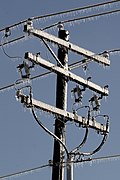
Freezing rain can have a big impact on buildings and roads. 🏢🏗️ The ice can cause power lines to sag or even break, resulting in power outages. Trees weighed down with ice might fall, damaging homes and roads. Ice can also build up on bridges, making them extra slippery. Cities have to work hard to keep everything safe – using salt and sand to melt the ice! This keeps roads safer for drivers and pedestrians. Whenever there’s freezing rain, people in charge rush to clear paths and keep everyone safe! 🚜
Go deeper🚗 Effects On Transportation
When freezing rain hits, it can make traveling super tricky! 🚗🚧 Roads become icy, and it can be tough for cars to stop or keep moving. Many people find themselves sliding around instead of driving safely. Buses and trains can also have delays because of icy tracks. This is why many schools sometimes cancel classes on freezing rain days! Always remember to drive slowly and carefully during this weather. And if it’s icy outside, it’s best to stay inside and play games or read a book! 📚
Go deeper🧊 Characteristics Of Freezing Rain
Freezing rain is unique because it can create a layer of ice that sticks to everything! 🧊This ice can measure anywhere from a tiny coating to several inches thick! It is shiny and slippery, making everything look beautiful but also hazardous. Sometimes, freezing rain comes with strong winds, which can make the ice move around. This can cause power outages when ice weighs down tree branches and causes them to snap. Beware of this slippery weather and always check the forecast! 🌪️
Go deeper🌍 Freezing Rain In Different Climates
Freezing rain isn’t just found in one part of the world; it can happen almost anywhere! 🌍In Canada, for instance, freezing rain is common in the winter, especially in places like Toronto. The United States also sees freezing rain, particularly in the Midwest and Northeast. In warmer climates, it’s less frequent, but sometimes it can occur in mountain areas. Even tropical places can experience freezing rain if they have a cold snap! No matter where you are, it’s important to stay aware of the weather! ❄️💧
Go deeper🔬 Scientific Studies On Freezing Rain
Scientists study freezing rain to learn more about how it forms and affects the environment! 🔬They observe weather patterns and create models to predict when freezing rain will happen. Understanding freezing rain helps improve weather forecasts and keeps people safe! Research has shown that climate change can also impact freezing rain frequency, making it essential to monitor weather changes over time. Scientists use their knowledge to make better warnings, so remember to listen to them when they talk about the weather! 🌐📈
Go deeper🌎 Historical Occurrences Of Freezing Rain
Freezing rain has happened many times throughout history! 🌎One big occurrence was in January 1994, when a freezing rain storm nearly covered the entire Midwest of the United States! Places like Chicago and St. Louis were hit hard, with downed power lines and roads turned into ice rinks! Another event was the 2007 ice storm that affected parts of Kentucky, causing lots of damage and power outages! These events remind us how strong freezing rain can be and why we must stay safe during this exciting yet dangerous weather! ⛈️
Go deeper🦺 Safety Precautions During Freezing Rain
Staying safe during freezing rain is super important! 🦺❄️ If you know it’s going to freeze, wear warm clothes and stay safe indoors if you can. When you must go outside, wear boots with good grip to help you walk safely. Avoid driving unless it’s necessary, and if you do, drive slowly. Always be on alert for slippery sidewalks or roads. If there is ice on branches, don't walk underneath them, because they might break! Remember, it’s always better to be safe than sorry during icy weather! 😌👍
Go deeper☔️ Freezing Rain Vs. Other Forms Of Precipitation
Freezing rain is one of many types of precipitation! ☔️ There’s also plain rain, snow, sleet, and hail. While freezing rain is just rain that freezes when it hits the ground, snow forms when it's cold enough in the clouds, making fluffy flakes! Sleet is ice pellets that fall when freezing rain forms but doesn't stick. Hail is larger balls of ice that form during thunderstorms! Each type comes from different weather conditions, but freezing rain can be the most slippery and dangerous, so watch out for it! ❄️
Go deeper