Emberizidae Facts For Kids
Emberizidae, commonly known as buntings, are a group of small, colorful passerine birds found mainly in Europe, Asia, and Africa, characterized by their cheerful songs and seed-based diets.
Select reading age
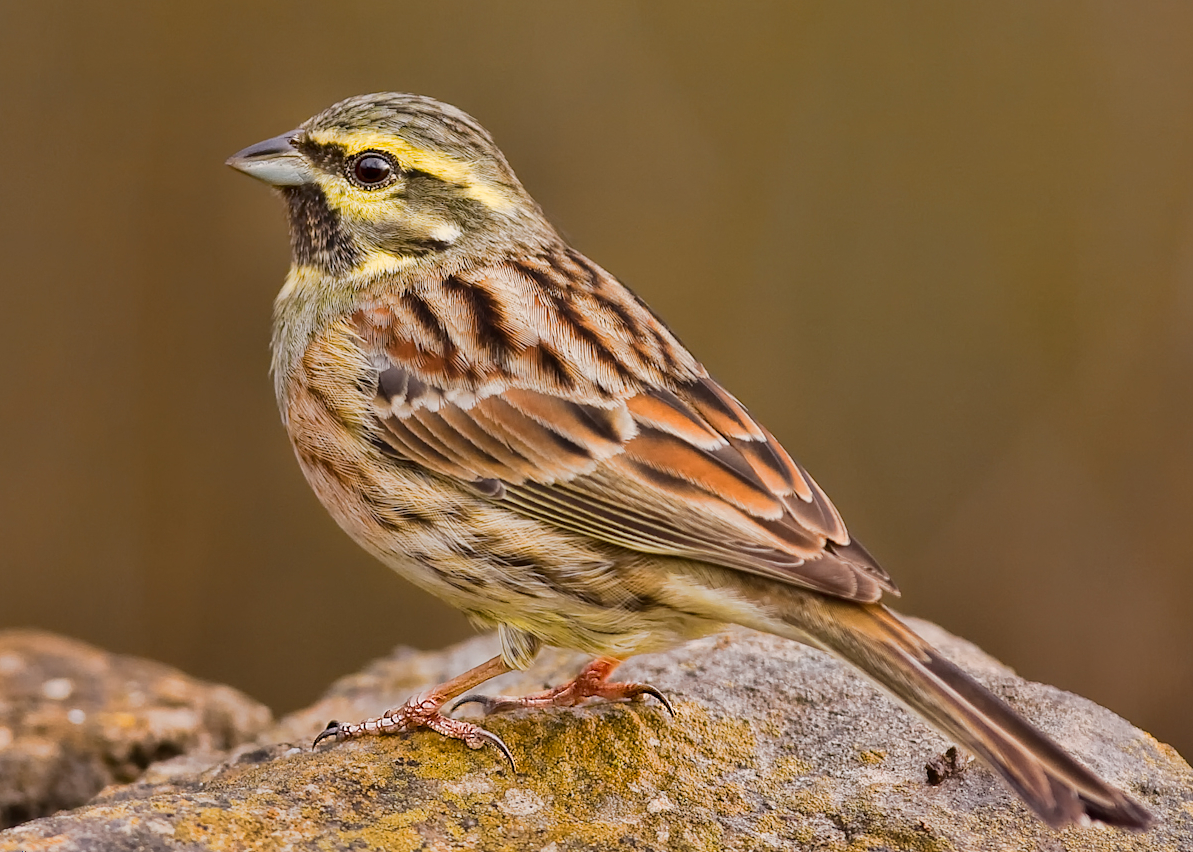
Emberizidae Facts For Kids
Videos & Quizzesincluded
About this topic
The buntings are colorful birds in the family Emberizidae! 🎨They belong to the genus Emberiza and are found mainly in Europe, Asia, and North Africa. There are around 30 different species of buntings! They are known for their sweet songs and beautiful plumage. The name "bunting" comes from a 16th-century English word that means "small bird." These birds often visit gardens and fields, making them exciting to spot! Their cheerful chirps and delightful colors make them loved by birdwatchers and nature fans alike. Keep your eyes open next time you’re outside; you might just see a bunting! 🐦
Explore with ChatDinoKey Points
Buntings are lively little birds!
Many bunting species are doing well, but some are facing challenges.
Buntings thrive in many habitats, from open fields and grasslands to forests and wetlands.
Buntings are eye-catching with their bright feathers!
During spring, male buntings sing to attract females.
Buntings love to eat seeds, grains, and insects!
Buntings play an important role in their ecosystems!
Buntings belong to the family Emberizidae, which is full of fun birds!
Buntings have been celebrated in various cultures!
Photos of Emberizidae

Emberizidae — photo 1

Emberizidae — photo 2

Emberizidae — photo 3

Emberizidae — photo 4

Emberizidae — photo 5

Emberizidae — photo 6

Emberizidae — photo 7

Emberizidae — photo 8

🐦 Behavioral Traits
Buntings are lively little birds! 🐦They are often seen hopping around in search of food and can be quite social. Some species like to gather in small flocks, especially during migration. They are known for their cheerful songs that they sing to establish territory and attract mates. 🎵When startled, they may fly up quickly but come back to the ground shortly after. Buntings also have a playful side, frequently seen chasing one another through trees and grass! Their joyful behaviors make them entertaining to watch!
Go deeper🌍 Conservation Status
Many bunting species are doing well, but some are facing challenges. 🌍The Corn Bunting and certain types of reed buntings have been affected by habitat loss. These birds rely on fields and wetlands, so when these areas disappear, their populations can decline. Conservation efforts include protecting their habitats and creating safe spaces for them to thrive. 🌱It's essential to take care of our environment so future generations can enjoy seeing these beautiful birds!
Go deeper🌳 Habitat And Distribution
Buntings thrive in many habitats, from open fields and grasslands to forests and wetlands. 🌳In Europe, the Corn Bunting loves farmlands, while in Asia, the Yellow-browed Bunting enjoys shrubby areas. They like to build their nests hidden in bushes or grasses, providing safety for their young. From the UK to Mongolia, these birds spread wide across the continent! 🌍Some species even migrate to warmer places in winter, making long journeys to find food and safe places to stay. Buntings are truly adaptable birds!
Go deeper🌈 Physical Characteristics
Buntings are eye-catching with their bright feathers! 🌈Their colors can range from yellow to brownish-gray, depending on the species. For example, the Indigo Bunting has gorgeous blue plumage, while the Corn Bunting has a streaky brown body. They have short, stout bodies, which are perfect for hopping on the ground. Most buntings are about 5 to 7 inches long. 📏Their beaks are short and cone-shaped, ideal for cracking seeds – their favorite food! With their beautiful colors and songs, buntings are a joy to observe in nature!
Go deeper🎶 Reproduction And Nesting
During spring, male buntings sing to attract females. 🎶After finding a partner, they make cozy nests! Usually, these nests are built on the ground, hidden in grass or bushes to protect their eggs. The female lays about 3 to 5 eggs, which are often speckled or colored. Incubation lasts about 10 to 14 days. 🥚Once the chicks hatch, both parents take care of them, bringing food until they are ready to fly away. Nesting season is an important time for bunting families!
Go deeper🌾 Diet And Feeding Behavior
Buntings love to eat seeds, grains, and insects! 🌾🦗 Their strong beaks help them crack open seeds from plants like sunflowers and grasses. You can often spot them foraging on the ground or perching on plants. Buntings enjoy a diet that changes with the seasons; in summer, they may snack on yummy insects for protein! They sometimes visit bird feeders too, so if you put out seeds, you might attract a bunting to your yard! 🍽️ Keep an eye out for them!
Go deeper🌳 Significance In Ecosystems
Buntings play an important role in their ecosystems! 🌳As seed eaters, they help spread seeds around, supporting plant growth. This process helps create a healthy environment for other animals and insects. Additionally, buntings are food for larger predators, such as hawks and falcons. 🦅They contribute to the food chain, which keeps ecosystems balanced. By paying attention to these wonderful birds, we can learn more about our natural world!
Go deeper🐣 Taxonomy And Classification
Buntings belong to the family Emberizidae, which is full of fun birds! 🐣The family includes other birds like the bunting warbler and various species of sparrows. These birds are all classified under the order Passeriformes, meaning they are songbirds. The genus Emberiza has 30 different kinds of buntings such as the Reed Bunting and the Yellow Bunting. In scientific terms, the Reed Bunting is called Emberiza schoeniclus. 🌾Each species has unique colors, patterns, and songs, making them special friends in the bird world! Let's learn more about what makes them different!
Go deeper🌍 Cultural References And Symbolism
Buntings have been celebrated in various cultures! 🌍In some areas, their vibrant colors and songs symbolize joy and happiness. They are also featured in folk stories and songs, inspiring art and poems throughout history. For example, the Indigo Bunting is often admired for its stunning blue color, representing calm and peace in literature. 🎨Many people enjoy birdwatching and taking photographs of these charming birds, helping to share their beauty with others. Buntings remind us to appreciate the wonders of nature!
Go deeper