All Articles

Dopamine

Dopamine Facts For Kids

Dopamine is a multifaceted neuromodulatory molecule that serves as a neurotransmitter and a hormone, playing essential roles in mood, movement, and motivation.
🎨 Reading age for 6-8
Background blob
Dopamine
Dopamine
Facts for Kids!

Do more with AI

Introduction

Dopamine is a special chemical in our brains that helps us feel good! 😊It’s like a little messenger that carries important messages to different parts of our brain. Dopamine helps control our feelings, movements, and even how we learn! Scientists discovered it in the 1950s, and since then, they have learned a lot about how it works inside our bodies. Dopamine is involved in many things we enjoy, like eating yummy food, playing games, and spending time with friends. So, whenever you feel happy, dopamine is often there cheering you on! 🎉

Images of Dopamine

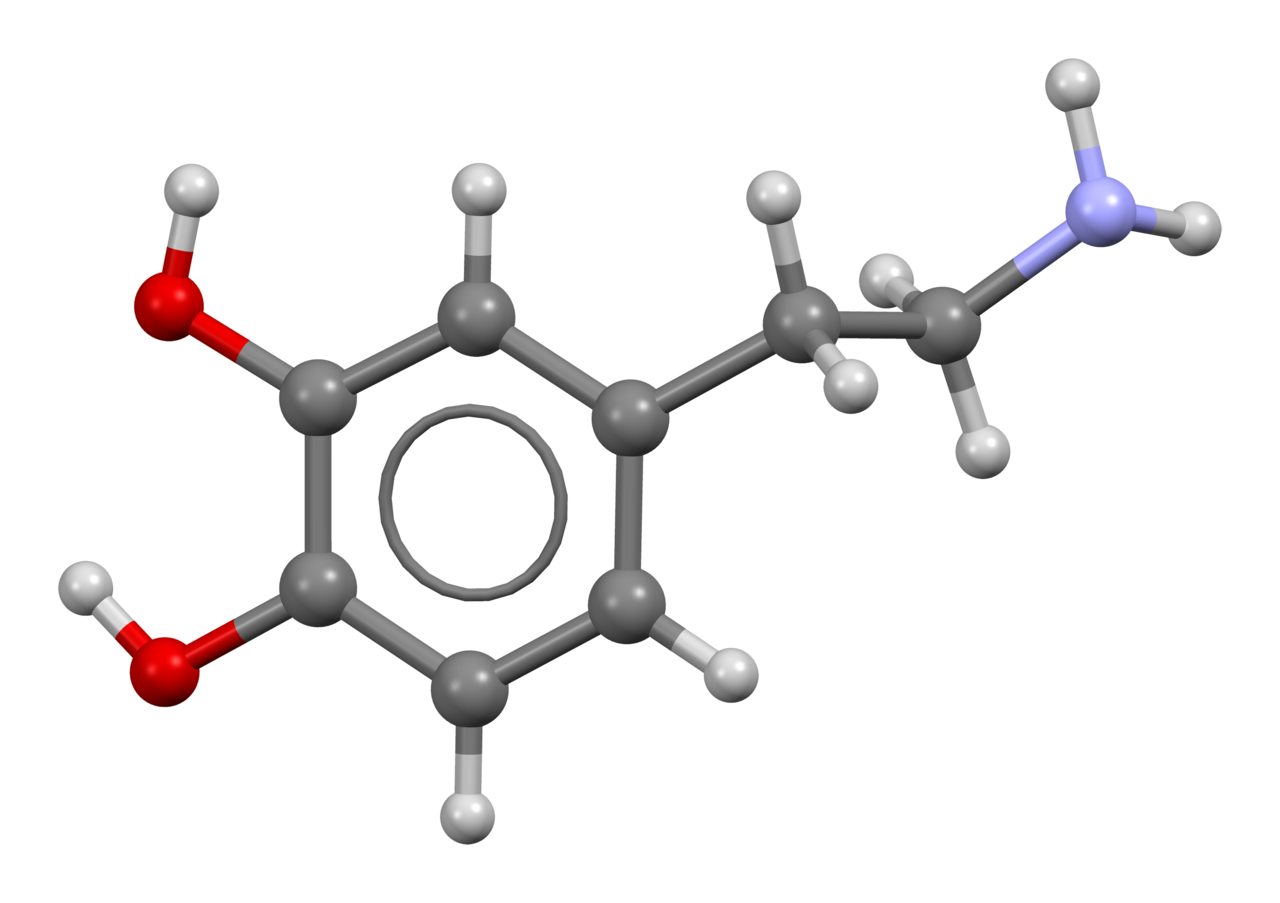
Skeletal formula of dopamine (DA) — one of the major neurotransmitters of central and peripheral nervous system .

Skeletal formula of dopamine (DA) — one of the major neurotransmitters of central and peripheral nervous system .

2D structure of neurotransmitter dopamine. Created with BKChem and Extensible SVG Optimiser

2D structure of neurotransmitter dopamine. Created with BKChem and Extensible SVG Optimiser

Phenethylamine/Fenyloetyloamina

Phenethylamine/Fenyloetyloamina

Structure of Pyrocatechol

Structure of Pyrocatechol

Dopamine processing in a synapse. After release, dopamine can either be taken up again by the presynaptic terminal, or broken down by enzymes.TH: tyrosine hydroxylase DOPA: L-DOPA DAT: dopamine transporter DDC: DOPA decarboxylase VMAT: vesicular monoamine transporter 2 MAO: Monoamine oxidase COMT: Catechol-O-methyl transferase HVA: Homovanillic acidImage by Smedlib , based on original work by Pancrat, licensed under Creative Commons Attribution-Share Alike 4.0

Dopamine processing in a synapse. After release, dopamine can either be taken up again by the presynaptic terminal, or broken down by enzymes.TH: tyrosine hydroxylase DOPA: L-DOPA DAT: dopamine transporter DDC: DOPA decarboxylase VMAT: vesicular monoamine transporter 2 MAO: Monoamine oxidase COMT: Catechol-O-methyl transferase HVA: Homovanillic acid

Major dopamine pathways. As part of the reward pathway, dopamine is manufactured in nerve cell bodies located within the ventral tegmental area (VTA) and is released in the nucleus accumbens and the prefrontal cortex. The motor functions of dopamine are linked to a separate pathway, with cell bodies in the substantia nigra that manufacture and release dopamine into the dorsal striatum.

Major dopamine pathways. As part of the reward pathway, dopamine is manufactured in nerve cell bodies located within the ventral tegmental area (VTA) and is released in the nucleus accumbens and the prefrontal cortex. The motor functions of dopamine are linked to a separate pathway, with cell bodies in the substantia nigra that manufacture and release dopamine into the dorsal striatum.

Main circuits of the basal ganglia. The dopaminergic pathway from the substantia nigra pars compacta to the striatum is shown in light blue.Image by Mikael Häggström , based on images by Andrew Gillies/User:Anaru and Patrick J. Lynch, licensed under Creative Commons Attribution-Share Alike 3.0

Main circuits of the basal ganglia. The dopaminergic pathway from the substantia nigra pars compacta to the striatum is shown in light blue.

Illustration of dopaminergic reward structuresImage by Oscar Arias-Carrión1, Maria Stamelou, Eric Murillo-Rodríguez, Manuel Menéndez-González and Ernst Pöppel., licensed under Creative Commons Attribution 3.0

Illustration of dopaminergic reward structures

Dopamine HCl preparation, single dose vial for intravenous administrationImage by Intropin, licensed under Creative Commons Attribution 3.0

Dopamine HCl preparation, single dose vial for intravenous administration

Skeletal formula of dopamine (DA) — one of the major neurotransmitters of central and peripheral nervous system .

Skeletal formula of dopamine (DA) — one of the major neurotransmitters of central and peripheral nervous system .

2D structure of neurotransmitter dopamine. Created with BKChem and Extensible SVG Optimiser

2D structure of neurotransmitter dopamine. Created with BKChem and Extensible SVG Optimiser

Phenethylamine/Fenyloetyloamina

Phenethylamine/Fenyloetyloamina

Structure of Pyrocatechol

Structure of Pyrocatechol

Dopamine processing in a synapse. After release, dopamine can either be taken up again by the presynaptic terminal, or broken down by enzymes.TH: tyrosine hydroxylase DOPA: L-DOPA DAT: dopamine transporter DDC: DOPA decarboxylase VMAT: vesicular monoamine transporter 2 MAO: Monoamine oxidase COMT: Catechol-O-methyl transferase HVA: Homovanillic acidImage by Smedlib , based on original work by Pancrat, licensed under Creative Commons Attribution-Share Alike 4.0

Dopamine processing in a synapse. After release, dopamine can either be taken up again by the presynaptic terminal, or broken down by enzymes.TH: tyrosine hydroxylase DOPA: L-DOPA DAT: dopamine transporter DDC: DOPA decarboxylase VMAT: vesicular monoamine transporter 2 MAO: Monoamine oxidase COMT: Catechol-O-methyl transferase HVA: Homovanillic acid

Major dopamine pathways. As part of the reward pathway, dopamine is manufactured in nerve cell bodies located within the ventral tegmental area (VTA) and is released in the nucleus accumbens and the prefrontal cortex. The motor functions of dopamine are linked to a separate pathway, with cell bodies in the substantia nigra that manufacture and release dopamine into the dorsal striatum.

Major dopamine pathways. As part of the reward pathway, dopamine is manufactured in nerve cell bodies located within the ventral tegmental area (VTA) and is released in the nucleus accumbens and the prefrontal cortex. The motor functions of dopamine are linked to a separate pathway, with cell bodies in the substantia nigra that manufacture and release dopamine into the dorsal striatum.

Main circuits of the basal ganglia. The dopaminergic pathway from the substantia nigra pars compacta to the striatum is shown in light blue.Image by Mikael Häggström , based on images by Andrew Gillies/User:Anaru and Patrick J. Lynch, licensed under Creative Commons Attribution-Share Alike 3.0

Main circuits of the basal ganglia. The dopaminergic pathway from the substantia nigra pars compacta to the striatum is shown in light blue.

Illustration of dopaminergic reward structuresImage by Oscar Arias-Carrión1, Maria Stamelou, Eric Murillo-Rodríguez, Manuel Menéndez-González and Ernst Pöppel., licensed under Creative Commons Attribution 3.0

Illustration of dopaminergic reward structures

Dopamine HCl preparation, single dose vial for intravenous administrationImage by Intropin, licensed under Creative Commons Attribution 3.0

Dopamine HCl preparation, single dose vial for intravenous administration

What Is Dopamine?

Dopamine is a type of neurotransmitter, which means it sends messages between brain cells! 🧠💌 It was first identified in 1957 by scientists Arvid Carlsson and Paul Greengard. Dopamine is made in several areas of the brain, such as the substantia nigra, which is located deep inside the brain. This tiny molecule is important for many reasons including helping us feel pleasure and motivating us to do things we enjoy, like playing or eating sweets! 🍭Dopamine works with other chemicals in our brain to help us live our best lives!

Dopamine And Learning

Dopamine is a superstar when it comes to learning! 📚It helps us pay attention and stay motivated when we try something new! When we learn, like mastering a new dance move or solving a tricky math problem, dopamine is released, making us feel proud and excited. 🎊This encourages our brains to remember these experiences so we can do them again! Teachers and parents can help boost dopamine by rewarding efforts and celebrating achievements! This makes learning fun and keeps us eager to explore more about the world around us! 🌍

Dopamine As A Hormone

Besides being a neurotransmitter, dopamine can also act like a hormone! 🛒Hormones are chemicals that travel in the blood, carrying messages around the body. Dopamine helps control important things like movement, mood, and even your sleep. When animals or humans feel threatened or scared, dopamine levels change to help respond to danger. 🦁This hormone can make people feel excited or happy too! So, just like a superhero, dopamine has many jobs to help keep us healthy and feeling good!

Dopamine And The Reward System

Dopamine is super important for our brain’s reward system! 🎁When you achieve something, like finishing a tough game level or getting a good grade, dopamine makes you feel happy and proud! This feeling encourages you to repeat those good actions, creating a loop of reward and joy! For example, when you eat your favorite dessert, dopamine is released, making you smile and want to have it again! 😊Scientists believe that this system keeps you motivated to learn and grow! A healthy reward system, with the help of dopamine, helps improve our daily lives!

Dopamine As A Neurotransmitter

As a neurotransmitter, dopamine acts like a mail carrier in the brain. 🕊️ When one brain cell wants to talk to another, it sends dopamine through tiny gaps called synapses. Once it arrives, the dopamine tells the other cell what to do. For example, it can help you feel happy when you eat ice cream or finish a puzzle. 🍦Solving problems and learning new things also releases dopamine, helping us feel proud and accomplished! This wonderful messenger is essential for brain communication, making it a crucial part of everyday life.

Functions Of Dopamine In The Brain

Dopamine has several key functions in the brain. 🌟It helps with controlling movements, so when you play sports or dance, dopamine is at work! It also helps regulate emotions and mood, making you feel happy or motivated when you do fun activities. 🎨In addition, dopamine is involved in learning and memory, helping you remember what you study or how to ride a bike! 🚴‍♂️ Lastly, when you face challenges, dopamine gives you the push to overcome them! Each day, dopamine plays a significant role in keeping us active and engaged!

Effects Of Drugs On Dopamine Levels

Some drugs can change how dopamine works in our brain. 🚫For example, some drugs might increase dopamine levels, making someone feel very happy or excited for a short time. 🥳However, this can be dangerous because after a while, the brain may not make enough dopamine on its own, leading to unhappiness or cravings. Drugs like cocaine or methamphetamine can be harmful and impact a person’s mental health. It is important to understand that keeping our dopamine levels balanced through healthy activities like exercise, healthy eating, and hobbies is better! 🌈

Dopamine Imbalances And Mental Health

Sometimes, our brains don't make the right amount of dopamine, leading to imbalances that affect mental health. 😞Low levels of dopamine are linked to conditions like depression and anxiety, making people feel sad or unmotivated. On the other hand, too much dopamine can cause problems like hallucinations or feelings of restlessness. 🌀It’s essential for everyone to find a balance to feel their best! Health professionals, like doctors and therapists, help people maintain healthy dopamine levels to ensure a happy and active life!

Current Research And Future Directions

Scientists continue to study dopamine to understand it better! 🔍Researchers are exploring how dopamine affects different parts of our lives, including mental health, learning, and even video game behavior! 🎮They hope to develop new treatments for conditions caused by dopamine imbalances. As technology improves, scientists can use tools like brain scans to see how dopamine works in real-time. This research can help us unlock new ways to keep our brains healthy, boost learning, and improve mental wellness! The future of dopamine study is exciting and full of possibilities! 🚀

Dopamine's Role In Movement And Coordination

Dopamine plays a vital role in movement and coordination! 🕺It helps our muscles work together, allowing us to walk, run, or even dance! If someone doesn’t have enough dopamine, they might have trouble moving smoothly, like in a condition called Parkinson's disease. 🥴People with low dopamine levels may shake or have difficulty controlling their movements. Doctors treat such conditions by helping boost dopamine in the body, allowing people to move better! So, next time you run around or dance, think about how important dopamine is for your moves! 💃

Dopamine Quiz

Q1
Question 1 of 10

Learn more about Dopamine

Ready to create?

Drop Files here
Make

To create a safe space for kid creators worldwide!

Create

Vibe Coding

Kids GPT

All Tools

Kibu

Resources

Worksheets

SafeTube

Blog

FAQ

Account

Pricing

Log-in

Sign-up

Data Deletion

Company

About

Community Guidelines

Privacy Policy

Terms of Service

2025, URSOR LIMITED. All rights reserved. DIY is in no way affiliated with Minecraft™, Mojang, Microsoft, Roblox™ or YouTube. LEGO® is a trademark of the LEGO® Group which does not sponsor, endorse or authorize this website or event. Made with love in San Francisco.