All Articles

Curry

Curry Facts For Kids

Curry is a flavorful dish that features a sauce or gravy filled with spices, originating from Indian cuisine and influenced by various cultures.
๐ŸŽจ Reading age for 6-8
Background blob
Curry
Curry
Facts for Kids!
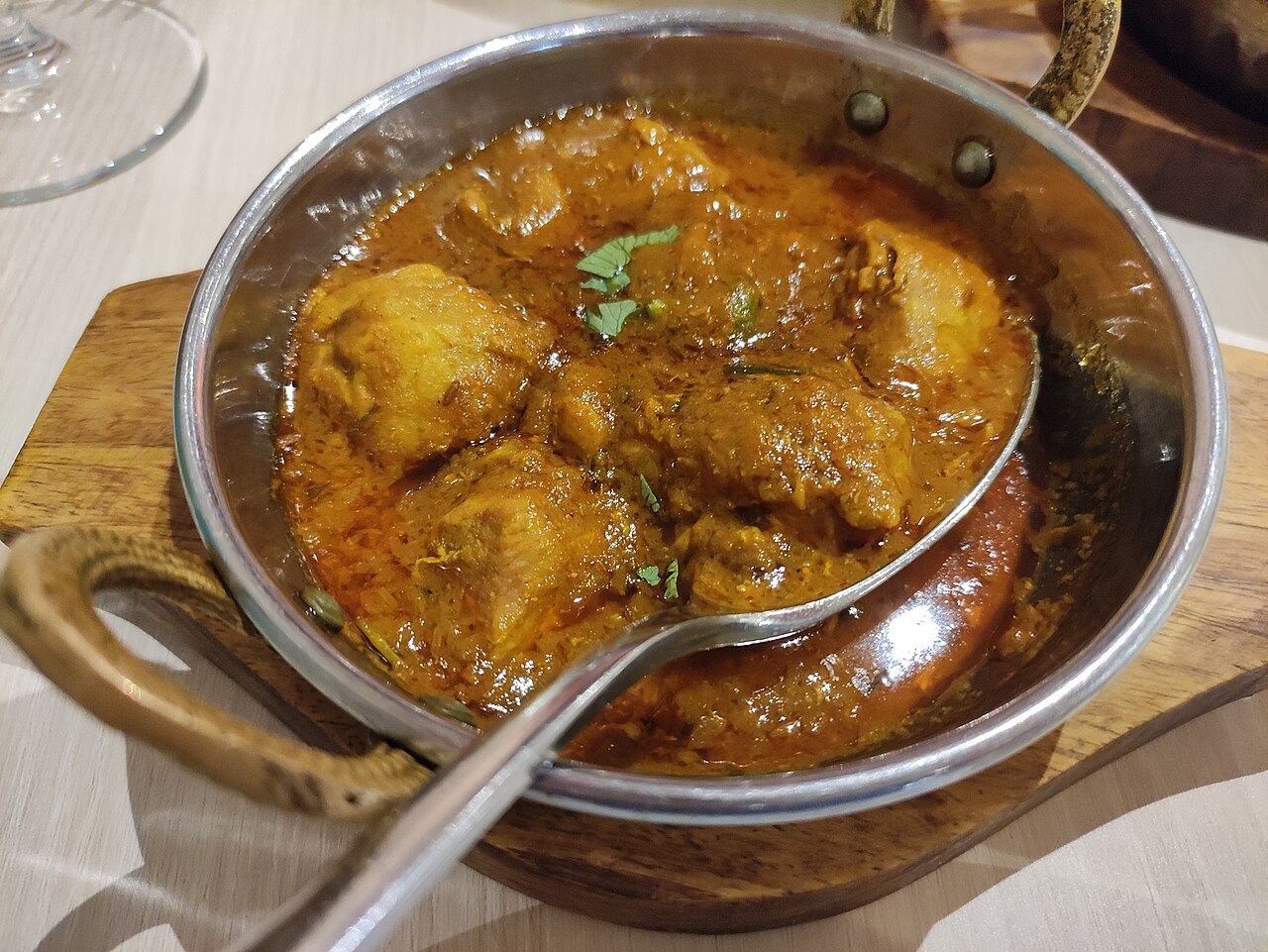
Image by Francesc Fort, licensed under Creative Commons Attribution-Share Alike 4.0

Do more with AI

Introduction

Curry is a delicious dish enjoyed by people all around the world! ๐ŸŒŽIt usually has a sauce made with spices, which give it amazing flavors. Some common spices found in curry are turmeric, cumin, and coriander. ๐ŸŒถ๏ธ Curry can be made with different ingredients like vegetables, chicken, or fish. Each type of curry is unique, and some are creamy, while others may be spicy! ๐Ÿ›Curry is so popular that it's made in countries like India, Thailand, and even the UK! Everyone loves a good bowl of curry, and itโ€™s a fun dish to try mixing with rice or bread. ๐Ÿฝ๏ธ

Images of Curry

Hannah Glasse's recipe for "currey the India way", first published in her 1747 book The Art of Cookery Made Plain and Easy. It is the first known use of the word in English. (The recipe uses the long s, "ลฟ").

Hannah Glasse's recipe for "currey the India way", first published in her 1747 book The Art of Cookery Made Plain and Easy. It is the first known use of the word in English. (The recipe uses the long s, "ลฟ").

Origin and spread of curry around the world. Mild spices were traded between India and East Asia from 5000 BCE.[12] The Columbian Exchange brought chili peppers to India.[19] Anglo-Indian food came to Britain in the 17th century.[18] The word "curry" was first recorded in print in Hannah Glasse's 1747 English cookery book.[1] In the 19th century, curry spread to the Caribbean[20] and to Japan,[21] and from there to Chinese people, starting in Singapore.[22] Further migration and globalisation (not shown) made curry a fully international dish.[23]

Origin and spread of curry around the world. Mild spices were traded between India and East Asia from 5000 BCE.[12] The Columbian Exchange brought chili peppers to India.[19] Anglo-Indian food came to Britain in the 17th century.[18] The word "curry" was first recorded in print in Hannah Glasse's 1747 English cookery book.[1] In the 19th century, curry spread to the Caribbean[20] and to Japan,[21] and from there to Chinese people, starting in Singapore.[22] Further migration and globalisation (not shown) made curry a fully international dish.[23]

Anglo-Indian cooks created what they called curry by selecting regional ingredients from all over British India, using these in Indian dishes from other regions. Lizzie Collingham describes their taste as "eclectic", "pan-Indian", "lacking sophistication", embodying a "passion for garnishes", and forming a "coherent repertoire"; but it was eaten only by the British. Among their creations were kedgeree and Madras curry, served with chutneys, pickles, Bombay duck, and poppadoms.[25]

Anglo-Indian cooks created what they called curry by selecting regional ingredients from all over British India, using these in Indian dishes from other regions. Lizzie Collingham describes their taste as "eclectic", "pan-Indian", "lacking sophistication", embodying a "passion for garnishes", and forming a "coherent repertoire"; but it was eaten only by the British. Among their creations were kedgeree and Madras curry, served with chutneys, pickles, Bombay duck, and poppadoms.[25]

Chicken tikka masala has been called Britain's national dish.[42]Image by hellosputnik, licensed under Creative Commons Attribution 2.0

Chicken tikka masala has been called Britain's national dish.[42]

Traditional karahi (left) and handi (right) serving dishesImage by FiveRings, licensed under Creative Commons Attribution 3.0

Traditional karahi (left) and handi (right) serving dishes

Typical home made Japanese curry rice with beef, onions, carrots and potatoes.

Typical home made Japanese curry rice with beef, onions, carrots and potatoes.

Photos of CurryImage by tyssejc, licensed under Creative Commons Attribution-Share Alike 2.0
Photos of CurryImage by Midori, licensed under Creative Commons Attribution 3.0
Photos of CurryImage by magical-world, licensed under Creative Commons Attribution-Share Alike 2.0
Hannah Glasse's recipe for "currey the India way", first published in her 1747 book The Art of Cookery Made Plain and Easy. It is the first known use of the word in English. (The recipe uses the long s, "ลฟ").

Hannah Glasse's recipe for "currey the India way", first published in her 1747 book The Art of Cookery Made Plain and Easy. It is the first known use of the word in English. (The recipe uses the long s, "ลฟ").

Origin and spread of curry around the world. Mild spices were traded between India and East Asia from 5000 BCE.[12] The Columbian Exchange brought chili peppers to India.[19] Anglo-Indian food came to Britain in the 17th century.[18] The word "curry" was first recorded in print in Hannah Glasse's 1747 English cookery book.[1] In the 19th century, curry spread to the Caribbean[20] and to Japan,[21] and from there to Chinese people, starting in Singapore.[22] Further migration and globalisation (not shown) made curry a fully international dish.[23]Image by Chiswick Chap, licensed under Creative Commons Attribution-Share Alike 4.0

Origin and spread of curry around the world. Mild spices were traded between India and East Asia from 5000 BCE.[12] The Columbian Exchange brought chili peppers to India.[19] Anglo-Indian food came to Britain in the 17th century.[18] The word "curry" was first recorded in print in Hannah Glasse's 1747 English cookery book.[1] In the 19th century, curry spread to the Caribbean[20] and to Japan,[21] and from there to Chinese people, starting in Singapore.[22] Further migration and globalisation (not shown) made curry a fully international dish.[23]

Anglo-Indian cooks created what they called curry by selecting regional ingredients from all over British India, using these in Indian dishes from other regions. Lizzie Collingham describes their taste as "eclectic", "pan-Indian", "lacking sophistication", embodying a "passion for garnishes", and forming a "coherent repertoire"; but it was eaten only by the British. Among their creations were kedgeree and Madras curry, served with chutneys, pickles, Bombay duck, and poppadoms.[25]Image by Chiswick Chap, licensed under Creative Commons Attribution-Share Alike 4.0

Anglo-Indian cooks created what they called curry by selecting regional ingredients from all over British India, using these in Indian dishes from other regions. Lizzie Collingham describes their taste as "eclectic", "pan-Indian", "lacking sophistication", embodying a "passion for garnishes", and forming a "coherent repertoire"; but it was eaten only by the British. Among their creations were kedgeree and Madras curry, served with chutneys, pickles, Bombay duck, and poppadoms.[25]

Chicken tikka masala has been called Britain's national dish.[42]Image by hellosputnik, licensed under Creative Commons Attribution 2.0

Chicken tikka masala has been called Britain's national dish.[42]

Traditional karahi (left) and handi (right) serving dishesImage by FiveRings, licensed under Creative Commons Attribution 3.0

Traditional karahi (left) and handi (right) serving dishes

Typical home made Japanese curry rice with beef, onions, carrots and potatoes.

Typical home made Japanese curry rice with beef, onions, carrots and potatoes.

Photos of CurryImage by tyssejc, licensed under Creative Commons Attribution-Share Alike 2.0
Photos of CurryImage by Midori, licensed under Creative Commons Attribution 3.0
Photos of CurryImage by magical-world, licensed under Creative Commons Attribution-Share Alike 2.0

Types Of Curry

There are many tasty types of curry! ๐ŸŒˆIn India, thereโ€™s butter chicken curry, which is creamy and mild ๐Ÿ”, and lamb curry, which is spicier and rich. In Thailand, you can find green curry, which has a bright green color from fresh herbs! ๐ŸŒฟJapanese curry is usually sweet and thick, making it great for kids! ๐ŸฒIn the Caribbean, you can find curry goat! ๐ŸEach country puts its own twist on curry, so there's a flavor for everyone. ๐Ÿฝ๏ธ Which one would you like to try?

History Of Curry

Curry has a fascinating history that began thousands of years ago in India! ๐Ÿ‡ฎ๐Ÿ‡ณ The word "curry" likely comes from the Tamil word "kari," which means sauce. ๐ŸฒPortuguese explorers brought spices from India to Europe in the 15th century. This is when curry started to get popular outside of India! ๐ŸŒThe British loved curry so much during their rule in India that they adapted it to their taste. ๐Ÿ›Today, curry has spread globally and has many different styles. Countries like Thailand and Japan also have their own versions! ๐Ÿฎ

Curry Ingredients

Curry ingredients can be colorful and healthy! ๐ŸŒถ๏ธ Common ingredients include fresh vegetables like bell peppers, peas, and potatoes. ๐Ÿฅ”People also add proteins like chicken, fish, or beans to make it extra filling! ๐Ÿฅ—Spices play a big role; turmeric gives a golden color, while chili adds some heat. ๐ŸŒถ๏ธ Coconut milk can be added for creaminess, especially in Thai curries! ๐ŸฅฅFinally, herbs like cilantro or parsley make curries fresh and tasty. ๐ŸƒAll these ingredients come together to create wonderful curries around the world!

Preparation Methods

Making curry can be super fun! ๐ŸŽ‰First, cooks usually start by sautรฉing onions, garlic, and ginger in a pot. ๐Ÿง„This makes everything smell amazing! Next, they add the spices to create a flavorful base. ๐ŸŒถ๏ธ Then, the main ingredients like meat, fish, or veggies go in! After that, cooks add coconut milk, broth, or water to make a delicious sauce. ๐ŸฒIt simmers for a while to let all the flavors mix together. Finally, itโ€™s served hot with rice or bread. Enjoying curry is a great way to share meals with friends and family! โค๏ธ

Regional Variations

Curry varies greatly depending on where you are! In India, you might find regional specialties like the spicy Vindaloo from Goa or the creamy Paneer Butter Masala. ๐Ÿ‡ฎ๐Ÿ‡ณ In Thailand, there's the famous Massaman curry with peanuts and cinnamon. ๐ŸฅœIn Japan, their curry has a sweeter taste and is often eaten with rice. ๐ŸšIn the UK, chicken tikka masala has become a favorite and is even called a national dish! ๐ŸŽ‰Each regionโ€™s curry reflects its culture and available ingredients, making every bowl unique and exciting to try! ๐Ÿœ

Cultural Significance

Curry is more than just food; it carries cultural meaning! ๐ŸŽŠIn India, sharing a meal of curry strengthens family bonds. ๐Ÿฝ๏ธ Different curries represent festivals, celebrations, and even everyday meals. In Thailand, curry is often enjoyed during family gatherings! ๐ŸŽ‰In the UK, curry houses are popular, showcasing the mix of cultures. ๐ŸŒAround the world, people appreciate curry for bringing everyone together. Sharing a bowl of curry creates wonderful memories and friendships! ๐ŸคNext time you have curry, remember how special it is to many cultures!

Curry In Popular Media

Curry pops up in films, TV shows, and books! ๐Ÿ“บIn the popular movie โ€œThe Hundred-Foot Journey,โ€ food from different cultures, including curry, brings people together. ๐Ÿฝ๏ธ Thereโ€™s a famous animated show called โ€œThe Simpsons,โ€ where characters enjoy curry in some episodes! ๐Ÿ›Cookbooks featuring curry recipes are super popular, helping families create their favorite dishes at home. ๐Ÿ“–Curries are also a popular choice in restaurant menus, showing how much people love them! ๐ŸŽ‰Curry represents a delicious and fun way to explore global cuisines and tastes. ๐ŸŒˆ

Curry And Sustainability

Eating curry can also be a sustainable choice! ๐ŸŒMany curries are made with vegetables, beans, and grains, which have a lower environmental impact. ๐Ÿฅ•Choosing locally sourced ingredients helps support local farmers and reduces carbon footprints! ๐ŸฅฆAlso, using less meat in curry reduces the energy used in production. ๐ŸŒฑWhen you cook curry, you can be creative and use leftovers, which is both fun and reduces food waste! ๐Ÿฅ˜By enjoying and making curry, we can care for our planet while enjoying delightful meals! ๐Ÿ’š

Health Benefits Of Curry

Curry isnโ€™t just tasty; it can also be good for you! ๐ŸŒฑMany spices in curry have health benefits. For example, turmeric has anti-inflammatory properties, which can help your body heal! ๐ŸŒŸGinger can soothe stomachs and help with nausea. ๐ŸŒฟThe vegetables and proteins in curry provide vitamins and nutrients important for growing strong and healthy! ๐ŸฅฆPlus, cooking at home can help you know what goes into your food. Making curry can be a fun and delicious way to eat well! ๐ŸฒSo, enjoy that bowl of curry and feel great!

Curry Quiz

Q1
Question 1 of 10

Learn more about Curry

Ready to create?

Drop Files here
Make

To create a safe space for kid creators worldwide!

Create

Vibe Coding

Kids GPT

All Tools

Kibu

Resources

Worksheets

SafeTube

Blog

FAQ

Account

Pricing

Log-in

Sign-up

Data Deletion

Company

About

Community Guidelines

Privacy Policy

Terms of Service

2025, URSOR LIMITED. All rights reserved. DIY is in no way affiliated with Minecraftโ„ข, Mojang, Microsoft, Robloxโ„ข or YouTube. LEGOยฎ is a trademark of the LEGOยฎ Group which does not sponsor, endorse or authorize this website or event. Made with love in San Francisco.