Cucurbita Maxima Facts For Kids
Cucurbita maxima, also known as pumpkin or winter squash, is a diverse plant native to the Americas, widely cultivated for its edible fruits enjoyed in various dishes, especially during Halloween and Thanksgiving.
Select reading age

Cucurbita Maxima Facts For Kids
Videos & Quizzesincluded
About this topic
Cucurbita maxima, also known as the giant pumpkin, is a fun and fascinating plant! 🎃This plant can grow really big, and it’s a type of squash. In fact, many people know it for Halloween, where giant pumpkins are carved into jack-o'-lanterns! They originally came from Central and South America, but now you can find them in gardens all over the world. 🌍Some pumpkins can weigh over 1,000 pounds! That's like a whole family or even a small car! 🚗Let’s explore the wonderful world of Cucurbita maxima!
Explore with ChatDinoKey Points
Cucurbita maxima is delicious!
Just like people, Cucurbita maxima can get sick!
Pumpkins are not just tasty; they are also packed with nutrients!
Did you know Cucurbita maxima has a special place in many cultures?
Cucurbita maxima belongs to the Cucurbitaceae family, which means it has lots of cousins such as cucumbers and watermelons!
Have you ever seen a giant pumpkin?
There are many fun varieties of Cucurbita maxima!
Harvesting Cucurbita maxima is an exciting time!
Growing Cucurbita maxima is like raising a big pet!
Photos of Cucurbita Maxima

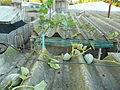
Cucurbita maxima subsp. andreana fruits (top), plant in the middle of the season (middle) and fruits left at the end of the season (bottom). The opaque ones are fruits left on earlier seasons from a different plant on the same place.
![Different fruit types of C. maxima subsp. andreana from Argentina[6]](https://upload.wikimedia.org/wikipedia/commons/thumb/f/fa/Cucurbita_maxima_subsp._andreana_-_frutos_de_varios_tipos.jpg/960px-Cucurbita_maxima_subsp._andreana_-_frutos_de_varios_tipos.jpg)
Different fruit types of C. maxima subsp. andreana from Argentina[6]

A Pink Banana squash, cut, with seeds removed, with a U.S. quarter for size comparison

A buttercup squash

A cut open blue hubbard squash

A golden Hubbard squash
Cucurbita Maxima — photo 7
Cucurbita Maxima — photo 8
🎉 Culinary Uses
Cucurbita maxima is delicious! 🎉Many people enjoy pumpkins during the fall, especially during Halloween and Thanksgiving. The flesh can be roasted, pureed, or made into soups! 🍲You can even add it to pies, like the famous pumpkin pie. People love to bake pumpkin bread and muffins, too! 🥧The seeds, called pepitas, can be roasted and eaten as snacks! Whether you enjoy the sweet or savory taste, this giant squash can make many yummy dishes. Next time you eat pumpkin, think about all the fun ways it can be prepared!
Go deeper😷 Pests And Diseases
Just like people, Cucurbita maxima can get sick! 😷Some common pests that bother pumpkins are squash bugs and cucumber beetles. These bugs can munch on the leaves and stems! 🐞Gardeners can help protect the plants by using row covers or natural solutions like insect soap. Sometimes, plants can suffer from diseases like powdery mildew, which looks like white spots on leaves. 🌬️ To keep pumpkins healthy, it’s important to space them out and water them properly to promote good airflow. A watchful gardener can help keep the plants safe and sound!
Go deeper🥕 Nutritional Benefits
Pumpkins are not just tasty; they are also packed with nutrients! 🥕They contain lots of vitamin A, which helps your eyes see better, especially in the dark! 🌙Pumpkin is also low in calories, making it a healthy snack! It has fiber, which helps keep our tummies happy and our bodies healthy. The seeds are nutritious, too; they contain magnesium and zinc, which are good for our hearts! ❤️ Eating pumpkin can help you grow strong and stay healthy. So, enjoy your pumpkin treats while knowing they are good for you!
Go deeper🎊 Cultural Significance
Did you know Cucurbita maxima has a special place in many cultures? 🎊In the United States, people celebrate Halloween by carving pumpkins into fun designs called jack-o'-lanterns. 🎃In Mexico, they celebrate the fall with dishes like “calabaza en tacha,” which is sweet pumpkin cooked in sugar and cinnamon. People also use pumpkins in festivals and harvest celebrations! 🌽Traditionally, Native American tribes used pumpkins as a staple food, showing how important they are. So, pumpkins are not only yummy but also bring people together in different ways across cultures!
Go deeper🍉 Botanical Classification
Cucurbita maxima belongs to the Cucurbitaceae family, which means it has lots of cousins such as cucumbers and watermelons! 🍉This species was first domesticated over 5,000 years ago by ancient people in what is now Mexico. 🌽The scientific name comes from Latin, where “Cucurbita” means gourd and “maxima” means the largest. Its close relatives include Cucurbita pepo (zucchini) and Cucurbita mixta (mixed squash). Each type of squash contributes to our tasty meals! 🍽️ Identifying them can be a fun activity—just check their shapes and colors!
Go deeper🍂 Physical Characteristics
Have you ever seen a giant pumpkin? 🍂Cucurbita maxima can grow in many colors, from bright orange to deep green! Their skin is smooth and often has a bumpy texture. They can get really big, with some growing over 5 feet around! 🌞The leaves of the plant are large and broad, sometimes more than 12 inches wide. The flowers are bright yellow and can be eaten, too! 🐝These plants are vining, meaning they like to sprawl out on the ground. Next time you see a pumpkin, remember it’s a big, colorful friend!
Go deeper🎉 Varieties Of Cucurbita Maxima
There are many fun varieties of Cucurbita maxima! 🎉Some popular ones include the "Atlantic Giant," which holds records for size, reaching over 2,600 pounds! 🌟The "Jack-o'-Lantern" variety is perfect for Halloween carving, while "Sugar Pie" pumpkins are great for making pies. 🍰Other types include "Giant Marrow," used in soups, and "Cinderella" pumpkins, known for their round shape and vibrant color. Each type has its own unique taste and use in the kitchen, so be sure to explore different varieties next time you see them at the store or the farmer's market!
Go deeper🎊 Harvesting And Storage Techniques
Harvesting Cucurbita maxima is an exciting time! 🎊The best time to pick pumpkins is in early fall, when they turn a rich color and you can knock on them to hear a hollow sound. 🥁After picking, it's important to handle them carefully to avoid bruising. Store pumpkins in a cool, dry place away from sunlight for longer-lasting freshness. 🧊If you want to keep the seeds, rinse them, dry them, and store them in a cool, dark place to enjoy later! Remember, properly harvested and stored pumpkins can bring joy to your home for many weeks!
Go deeper🐾 Growing Conditions And Cultivation
Growing Cucurbita maxima is like raising a big pet! 🐾They love sunny places, with at least 6 hours of sunlight each day. The soil needs to be rich and well-drained. Farmers usually plant them in late spring when the danger of frost has passed. 🌱They need plenty of water, especially when the pumpkins start to grow! Gardeners often add compost to the soil to help the plants become strong and healthy. With some care, you can see pumpkins grow from tiny seeds to giants in just a few months!
Go deeper