Bonobo Facts For Kids
Bonobos, or pygmy chimpanzees, are endangered great apes known for their peaceful behavior and social structures, living primarily in the rainforests of the Democratic Republic of the Congo.
Select reading age
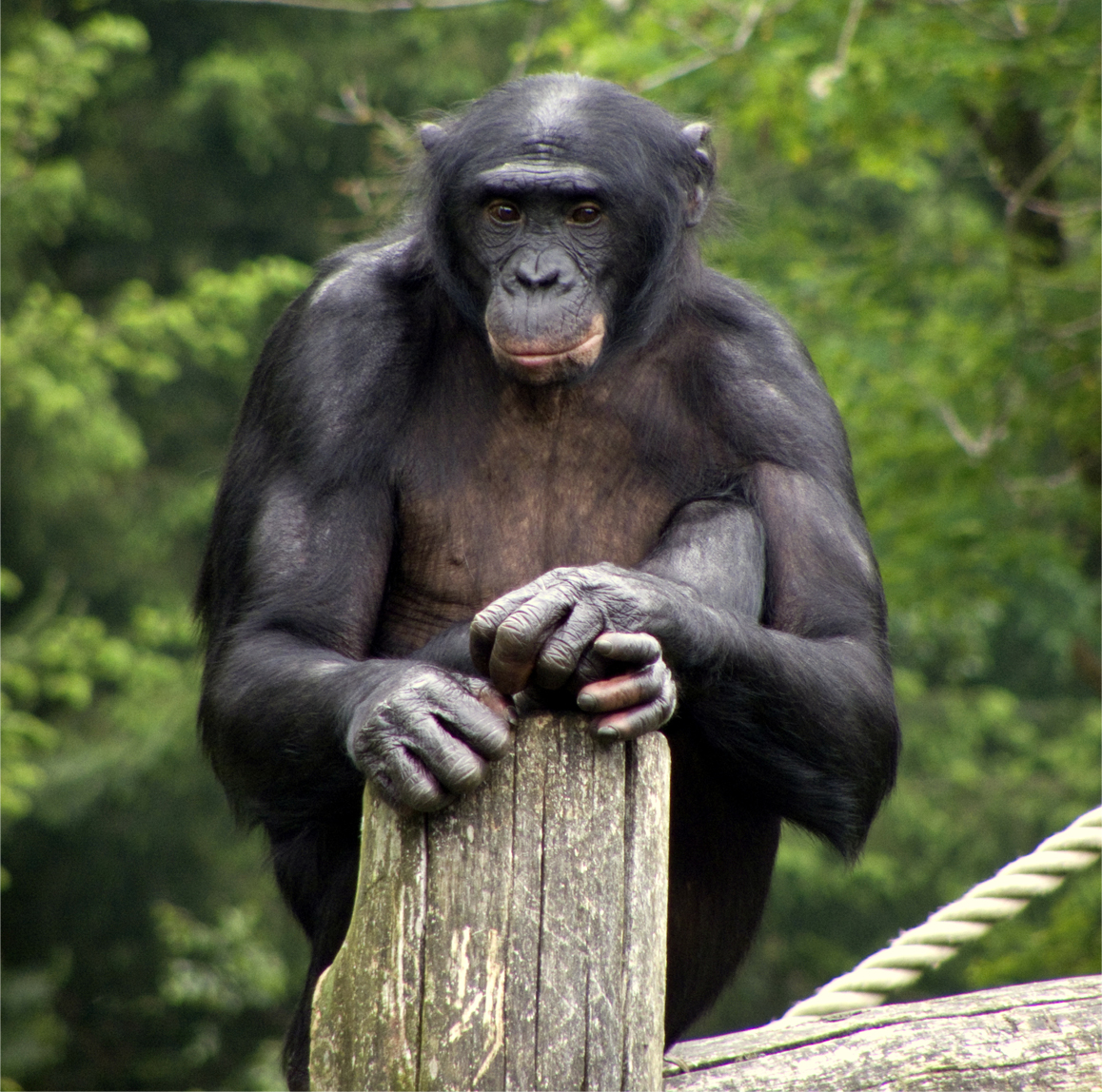
Bonobo Facts For Kids
Videos & Quizzesincluded
About this topic
The bonobo is a cute and friendly ape that lives in the lush rainforests of the Democratic Republic of the Congo in Africa! 🌍They are part of the great ape family, just like chimpanzees, gorillas, and orangutans. Bonobos are often called pygmy chimpanzees because they are smaller than regular chimpanzees. They are known for their playful nature, high intelligence, and strong bonds with each other. 🐒Did you know that bonobos can even walk on two legs? This makes them quite unique among their ape cousins!
Explore with ChatDinoKey Points
Bonobos are endangered, which means that they are at risk of disappearing forever!
Many scientists study bonobos to understand their behavior and intelligence.
Bonobos are special creatures that have captured the interest of many cultures!
Bonobos have a unique way of mating!
Bonobos live in the tropical rainforests of the Congo Basin.
Bonobos are smaller than chimpanzees, weighing between 70 to 130 pounds.
Bonobos are very social animals and have a close relationship with humans.
Bonobos are omnivores, meaning they eat both plants and animals.
Bonobos are known for their friendly and peaceful communities.
Bonobos are great communicators!
Photos of Bonobo


Bonobos Kanzi (C) and Panbanisha (R) with Sue Savage-Rumbaugh and the outdoor symbols "keyboard"

Bonobos are very social.

Bonobo searching for termites

Bonobos mating, Jacksonville Zoo and Gardens

Group of bonobos

Grooming: reinforcement of social links

Folivory: bonobos use certain species for self-medication.
📉 Conservation Status
Bonobos are endangered, which means that they are at risk of disappearing forever! 📉Their population is decreasing due to habitat loss caused by logging and farming. Additionally, they are hunted for bushmeat. Organizations are working hard to protect bonobos and their habitats. 🌱Conservationists are creating protected areas and educating people about the importance of saving these amazing animals for future generations!
Go deeper📚 Research And Studies
Many scientists study bonobos to understand their behavior and intelligence. 📚In fact, researchers have found that bonobos can learn to use symbols and even communicate with people! 🦄Bonobos show empathy and can even comfort each other when they are sad, just like humans. These studies help us learn more about how we share the same ancestor with bonobos, which makes them a fascinating topic in evolution!
Go deeper🎭 Cultural Significance
Bonobos are special creatures that have captured the interest of many cultures! 🎭They are symbols of peace and cooperation in some communities. Even in the science world, bonobos are often used in discussions about social behavior and cooperation. Stories and documentaries about bonobos help raise awareness about their conservation and teach lessons about kindness and being social. 🌈It's important to remember that understanding and respecting all living beings helps everyone coexist peacefully!
Go deeper🐣 Reproductive Behavior
Bonobos have a unique way of mating! 🐣They mate more frequently than other apes, helping to create strong social bonds. Female bonobos usually give birth to a single baby after about 8 months of pregnancy. The baby bonobo stays with its mom for several years, learning important skills such as foraging and socializing. 💕Baby bonobos are cared for by their mothers and also by other adult bonobos in their troop.
Go deeper🌴 Habitat And Distribution
Bonobos live in the tropical rainforests of the Congo Basin. 🌴This area has both dense forests and river valleys, providing a great home for them. Bonobos prefer the lower forest floors where they can find tasty fruits and leaves. They stay near rivers and streams, which makes it easy for them to find water to drink. 🥤The range of bonobos is limited just to the Democratic Republic of the Congo, making them one of the rarest great apes in the world.
Go deeper🌟 Physical Characteristics
Bonobos are smaller than chimpanzees, weighing between 70 to 130 pounds. They have long legs and a more slender body shape. Their faces are round with expressive eyes, and they have a dark complexion with lighter skin on their faces and around their mouths. 🌟Bonobos also have longer hair on their heads, which gives them a shaggy look! Unlike other apes, their facial features show calmness and gentleness. Their arms are long, helping them to swing from branch to branch in the trees. 🌳
Go deeper🥰 Relationship With Humans
Bonobos are very social animals and have a close relationship with humans. 🥰People are fascinated by their kindness and unique behaviors. Many researchers study bonobos to learn about their social interactions and intelligence. Zoos and conservation organizations work to educate people about the importance of protecting them, so we can enjoy bonobos today and in the future!
Go deeper🍌 Diet And Foraging Behavior
Bonobos are omnivores, meaning they eat both plants and animals. 🍌They love fruits such as bananas, berries, and mangoes! Bonobos also enjoy leaves, flowers, and roots. Occasionally, they will eat small insects or even small animals like rodents. Their favorite activity is foraging for food together as a group, where they share their delicious finds! 🍃Bonobos think sharing is important, and they will often pass bananas or other goodies to one another.
Go deeper🤗 Social Structure And Behavior
Bonobos are known for their friendly and peaceful communities. They live in groups called "troops," which can include up to 100 bonobos! 🤗Female bonobos are in charge of these troops, which is different from other apes. These female bonobos build strong friendships and often solve conflicts with hugs and grooming instead of fighting. Bonobos are very playful, often swinging from branches and playing tag in their treetops! 🌈
Go deeper🗣️ Communication And Vocalizations
Bonobos are great communicators! 🗣️ They use many different sounds to express their feelings, including grunts, whines, and even laughter! Bonobos also use facial expressions and body language to convey messages. When they are happy, they might jump up and down! 😄They have been observed using tools, such as sticks to reach for food, showing how clever they are!
Go deeper