Bayeux Tapestry Facts For Kids
The Bayeux Tapestry is a monumental embroidery that narrates the events of the Norman Conquest, showcasing medieval art and cultural history.
Select reading age
Bayeux Tapestry Facts For Kids
Videos & Quizzesincluded
About this topic
The Bayeux Tapestry is a famous artwork from the 11th century that tells the story of the Norman Conquest of England. 📜Located in Bayeux, France, this tapestry is about 231 feet long and made of linen and wool. It shows scenes of King Harold of England and William the Conqueror. The tapestry is like a giant comic strip, using colorful images and embroidery to tell a historical tale! It was added to UNESCO’s Memory of the World Register in 2007, showing its importance to history and culture. 🌍
Explore with ChatDinoQuick Facts
Key Points
The Bayeux Tapestry is famous for its beautiful embroidery!
The Bayeux Tapestry was made around 1070, about 1,000 years ago!
The Bayeux Tapestry is an important treasure for historians!
Today, the Bayeux Tapestry continues to inspire new works of art!
The Bayeux Tapestry has influenced many artists and writers!
If you want to see the Bayeux Tapestry, you can visit the town of Bayeux in France!
To keep the Bayeux Tapestry safe, special care is taken!
This tapestry is a story about many interesting characters!
Photos of Bayeux Tapestry

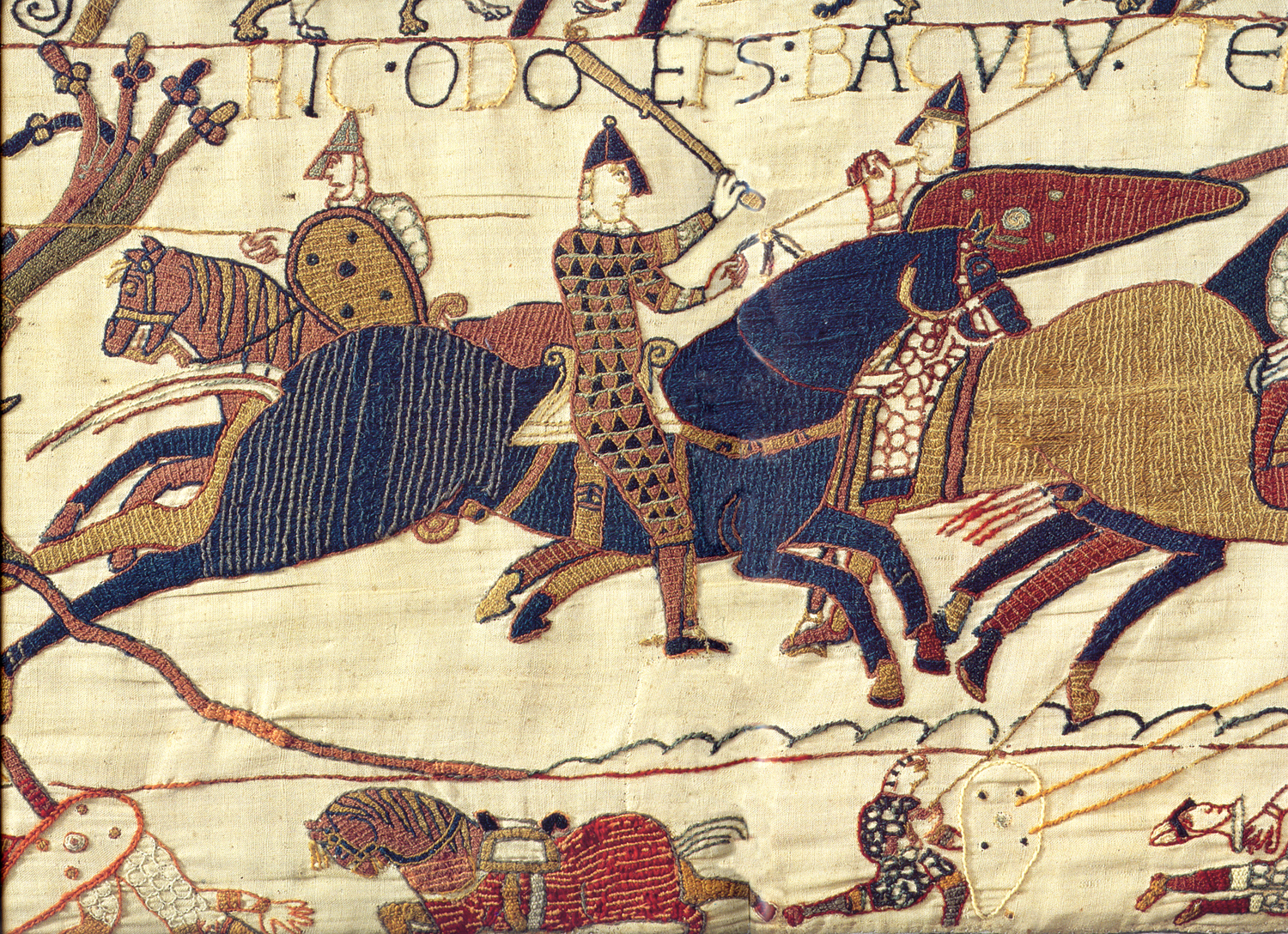
Bishop Odo of Bayeux

Montfaucon / Benoît drawing showing King Harold's death

Stothard / Basire engravings: scenes showing the Norman troops crossing the Channel and landing in Sussex

Detail of stem stitching and laid work.

Bayeux Tapestry — photo 5

Edward the Confessor sends Harold to Normandy

The Tapestry of Creation or Girona Tapestry (actually needlework), 11th-century, 3.65 m × 4.70 m (12.0 ft × 15.4 ft)

The messengers with Guy I, Count of Ponthieu, with a portrayal of medieval agriculture in the border

Detail of Halley's Comet
🌟 Artistic Techniques
The Bayeux Tapestry is famous for its beautiful embroidery! 🌟The artists used wool thread to create colorful characters, animals, and scenes. They used techniques like stitching, sewing, and even some mixed media to add depth. The colors are made from natural dyes, which makes the tapestry look vibrant even after almost a thousand years. 🧵It's full of intricate details—like ships sailing or knights in armor! This masterpiece shows how skilled medieval artists were and offers a sneak peek into life during the 11th century.
Go deeper🏰 History And Creation
The Bayeux Tapestry was made around 1070, about 1,000 years ago! 🏰It was created to celebrate the victory of William the Conqueror at the Battle of Hastings in 1066. Historians believe it was made by skilled artisans in England or Normandy. The tapestry features over 600 characters! It includes not only battles but also everyday life, animals, and ships. It's often said to be a "sewing story" because it was stitched by hand, making it a very special historical artifact.
Go deeper📚 Cultural Significance
The Bayeux Tapestry is an important treasure for historians! 📚It gives us a glimpse of medieval life and the events that shaped England's history. The tapestry helps us understand how people lived, dressed, and fought in 1066. Many countries look at this artwork to learn about their past. It has inspired artists, teachers, and filmmakers! 🎨As a part of French and English heritage, it remains a symbol of historical storytelling. Today, the tapestry reminds us how art can be used to share important stories from long ago!
Go deeper🖌️ Modern Interpretations
Today, the Bayeux Tapestry continues to inspire new works of art! 🖌️ Artists and filmmakers create modern versions and interpretations, sometimes using animation or digital media. There are even video games based on the events shown in the tapestry! 🎮Some schools use it to teach history in a fun way, like art projects and re-enactments. While the original tapestry is over 1,000 years old, its stories remain exciting, encouraging new stories and art forms that keep history alive!
Go deeper🎭 Impact On Art And Literature
The Bayeux Tapestry has influenced many artists and writers! 🎭Its storytelling method has inspired comic books and graphic novels, showing how art can tell a story. Writers may use imagery from the tapestry in their tales, helping readers imagine life in the past. Authors and historians refer to the tapestry as a visual resource! Books for kids and adults alike describe its creativity and historical importance, showing how art can connect us to our roots and ignite our imaginations! 📖
Go deeper🏞️ Visiting The Bayeux Tapestry
If you want to see the Bayeux Tapestry, you can visit the town of Bayeux in France! 🏞️ There is a museum dedicated to this incredible artwork called the Musée de la Tapisserie de Bayeux. Visitors can see the tapestry up close, learn about its history, and enjoy related exhibits. The museum also has special audio guides, perfect for kids! 🎧People from all over the world travel here to experience this amazing piece of history firsthand. It's an adventure you won't want to miss!
Go deeper🛡️ Preservation And Conservation
To keep the Bayeux Tapestry safe, special care is taken! 🛡️ It is displayed in a temperature-controlled museum to protect it from light and dust. Expert conservators check the tapestry regularly to fix any wear and tear. They also keep it away from bright sun to keep the colors vibrant. Because it is so delicate, only a few materials and methods are allowed during its restoration. People work hard to make sure future generations can enjoy this historic piece!
Go deeper🏇 Characters And Events Depicted
This tapestry is a story about many interesting characters! The main ones are King Harold and William the Conqueror. 🏇It tells how William wanted to be king of England. The scenes show Harold's battles and the famous moment of the Battle of Hastings, where Harold loses. It also includes amusing details, like a character poking a pig with a stick! 🐖The tapestry presents dramatic events but also daily life: people farming, feasting, and preparing for battles, bringing history alive!
Go deeper