All Articles

Bactria

Bactria Facts For Kids

Bactria was an influential ancient civilization in Central Asia, located in parts of present-day Afghanistan and Tajikistan, known for its cultural diversity and key role in trade.

🎨 Reading age for 6-8
Background blob
Bactria
Bactria
Facts for Kids!

Do more with AI

Introduction

Bactria, also known as Bactriana, was an ancient land in Central Asia. It existed around 4000 years ago! 🌍This cool place was located in what is now northern Afghanistan, south of the Oxus River (also called the Amu Darya) and north of the Hindu Kush mountains. The people of Bactria were known for their rich culture and trade. They made beautiful art and created amazing cities. Tap with your fingers on a map to find Afghanistan and discover Bactria's fascinating past! 🗺️ Their history includes scientists, warriors, and merchants who made important contributions to the world we know today.

Images of Bactria

Bactria closing on the mountain range of the Hindu Kush (south) and bordering the Pamirs (north), as well as places that are close to neighboring Bactria on the map as observed on the North and East, the south branch of Tianshan further north, the Ferghana Valley to the north, the western Tarim Basin to the east.

Bactria closing on the mountain range of the Hindu Kush (south) and bordering the Pamirs (north), as well as places that are close to neighboring Bactria on the map as observed on the North and East, the south branch of Tianshan further north, the Ferghana Valley to the north, the western Tarim Basin to the east.

Photos of BactriaImage by Jumbokedama, licensed under Creative Commons Attribution-Share Alike 2.0
Photos of BactriaImage by Boubi, licensed under Creative Commons Attribution-Share Alike 4.0
Xerxes I tomb, Bactrian soldier c. 470 BC.Image by dynamosquito from France, licensed under Creative Commons Attribution-Share Alike 2.0

Xerxes I tomb, Bactrian soldier c. 470 BC.

Pre-Seleucid Athenian owl imitation from Bactria, possibly from the time of Sophytes.

Pre-Seleucid Athenian owl imitation from Bactria, possibly from the time of Sophytes.

Gold stater of the Greco-Bactrian king Eucratides

Gold stater of the Greco-Bactrian king Eucratides

Map of the Greco-Bactrian Kingdom at its maximum extent, circa 180 BC.
Map of the Greco-Bactrian Kingdom at its maximum extent, circa 180 BC.

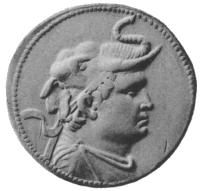
The founder of the Indo-Greek Kingdom Demetrius I (205–171 BC), wearing the scalp of an elephant, symbol of his conquest of the Indus valley.

The founder of the Indo-Greek Kingdom Demetrius I (205–171 BC), wearing the scalp of an elephant, symbol of his conquest of the Indus valley.

The treasure of the royal burial Tillia tepe is attributed to 1st century BC Sakas in Bactria.Image by No machine-readable author provided. World Imaging assumed (based on copyright claims)., licensed under Creative Commons Attribution-Share Alike 3.0

The treasure of the royal burial Tillia tepe is attributed to 1st century BC Sakas in Bactria.

Bactria closing on the mountain range of the Hindu Kush (south) and bordering the Pamirs (north), as well as places that are close to neighboring Bactria on the map as observed on the North and East, the south branch of Tianshan further north, the Ferghana Valley to the north, the western Tarim Basin to the east.

Bactria closing on the mountain range of the Hindu Kush (south) and bordering the Pamirs (north), as well as places that are close to neighboring Bactria on the map as observed on the North and East, the south branch of Tianshan further north, the Ferghana Valley to the north, the western Tarim Basin to the east.

Photos of BactriaImage by Jumbokedama, licensed under Creative Commons Attribution-Share Alike 2.0
Photos of BactriaImage by Boubi, licensed under Creative Commons Attribution-Share Alike 4.0
Xerxes I tomb, Bactrian soldier c. 470 BC.Image by dynamosquito from France, licensed under Creative Commons Attribution-Share Alike 2.0

Xerxes I tomb, Bactrian soldier c. 470 BC.

Pre-Seleucid Athenian owl imitation from Bactria, possibly from the time of Sophytes.

Pre-Seleucid Athenian owl imitation from Bactria, possibly from the time of Sophytes.

Gold stater of the Greco-Bactrian king Eucratides

Gold stater of the Greco-Bactrian king Eucratides

Map of the Greco-Bactrian Kingdom at its maximum extent, circa 180 BC.Image by No machine-readable author provided. World Imaging assumed (based on copyright claims)., licensed under Creative Commons Attribution-Share Alike 3.0

Map of the Greco-Bactrian Kingdom at its maximum extent, circa 180 BC.

The founder of the Indo-Greek Kingdom Demetrius I (205–171 BC), wearing the scalp of an elephant, symbol of his conquest of the Indus valley.

The founder of the Indo-Greek Kingdom Demetrius I (205–171 BC), wearing the scalp of an elephant, symbol of his conquest of the Indus valley.

The treasure of the royal burial Tillia tepe is attributed to 1st century BC Sakas in Bactria.Image by No machine-readable author provided. World Imaging assumed (based on copyright claims)., licensed under Creative Commons Attribution-Share Alike 3.0

The treasure of the royal burial Tillia tepe is attributed to 1st century BC Sakas in Bactria.

Geography Of Bactria

Bactria was a large area surrounded by many natural features! 🌄It was bordered by the Oxus River on the north and the Hindu Kush mountains to the south. Imagine mountains, rivers, and valleys all in one place! This region enjoyed different climates, ranging from hot in summer to chilly in winter. The fertile land was great for farming crops like wheat and barley. 🌾The capital city of Bactria was called Balkh, which was a beautiful city filled with gardens and homes made from mud-bricks. People can still explore parts of Bactria today, where the old ruins tell stories of ancient life.

Famous Cities Of Bactria

Bactria was home to many famous cities that were big and beautiful! 🌆One of the best-known cities was Balkh, often called the “Mother of Cities” because of its size and beauty. Another significant city was Bactra, located along the Oxus River, serving as a trading hub. 🏙️ These cities had vibrant markets, stunning gardens, and impressive buildings. People from all around came to trade and share their cultures. Each city's walls held stories of bravery, art, and friendship. These cities were like lively gardens of ideas and traditions, making Bactria a shining star in history!

Ancient History Of Bactria

The history of Bactria is super interesting! 🏺It dates back to at least 3000 BCE. Bactrians were skilled farmers and traders, and they connected with nearby cultures. Alexander the Great visited around 330 BCE, adding Bactria to his empire! 🌏Bactria became a melting pot of different cultures. The Greeks, Persians, and local tribes all contributed to its vibrant society. The region saw many battles, but it also thrived, leading to the growth of arts, science, and technology. With such a rich history, Bactria is remembered for its colorful blend of customs and traditions!

Economy And Trade In Bactria

Bactria was like a buzzing marketplace! 🏪They traded many goods, including precious metals, textiles, and spices. The Oxus River was essential for trade, allowing Bactrians to exchange items with the people from places near and far. This trade not only made Bactria wealthy, but it also brought new ideas and products! 🛒Bactrian merchants traveled along routes like the famous Silk Road. They traded silk and even horses! This bustling economy helped the region prosper, allowing Bactrians to build beautiful cities filled with colorful markets and happy people enjoying their lives together!

Cultural Influences In Bactria

Bactria was a hip place for culture! 🎨With influences from Persia, Greece, and India, people shared ideas, art, and languages. Sculptors created beautiful statues, while poets wrote amazing stories. They spoke different languages like Greek and ancient Persian. The mixture of these cultures helped Bactria create unique art forms and crafts! 🏺They even had a love for music and dance, celebrating together in festivals. The famous Bactrian gold treasures show their wealth and artistry, with dazzling jewelry and ornaments. Bactria was like an ancient cultural festival, where everyone enjoyed sharing their talents with one another!

Religious Practices In Bactria

Bactria had a rich spiritual life! 🌟People practiced many religions, including Zoroastrianism, Buddhism, and other local beliefs. Zoroastrians worshiped Ahura Mazda, the god of light, while Buddhism came from India and spread throughout Bactria during the 3rd century BCE. ☸️ Beautiful statues and stupas (a type of Buddhist monument) showcase their devotion. Many temples and shrines were built, where people gathered to pray and celebrate. Ancient writings found in the region show a mix of faiths, creating a diverse religious atmosphere. Just like today, Bactrians found comfort in their beliefs, shaping their lives and stories!

Bactria's Role In The Silk Road

Bactria was an essential stop on the Silk Road! 🐪This was a famous trade route connecting China to Europe. Bactrians traded silk, spices, and precious jewels with merchants from across the world. This made Bactria an important hub for goods! 🎁The city of Balkh became a bustling center of commerce and cultural exchange. Bactrians shared ideas, art, and technology with others, creating a rich tapestry of traditions. The Silk Road helped spread knowledge, allowing people to learn about different inventions, stories, and products. Bactria played a key role in connecting east and west through trade!

Bactria In The Greco-roman World

When the Greeks and Romans explored Bactria, they were amazed by its beauty! 🇬🇷🇮🇹 Alexander the Great arrived in 330 BCE and declared Bactria as part of his great empire. This introduced Greek culture, making Bactria a unique blend of East and West. Beautiful sculptures and buildings were created during this time. The Greeks influenced science and art, while Bactrians taught them new farming techniques. 📚The Romans were also fascinated and traded with Bactrians. This interaction united different cultures, allowing them to learn from one another, shaping both Bactria and the civilizations of Greece and Rome!

Legacy Of Bactria In Modern Culture

Bactria's legacy still shines today! 🌟The cultural influences of this ancient civilization can be seen in modern art, music, and literature. For example, the Silk Road helped inspire stories and inventions that shaped the world we live in now. 🌈Bactrians were also known for their incredible skills in mathematics and astronomy, which continue to inspire scientists today. People still study Bactria to learn about its beautiful history. Its treasures and ideas remind us of the importance of sharing cultures and knowledge, bringing people together across time and space! 📜✨ Bactria's story lives on in our hearts!

Archaeological Discoveries In Bactria

Many exciting archaeological discoveries have been made in Bactria! 🏺Scholars and adventurers have uncovered stunning artifacts like the Bactrian gold treasures, which include jewelry and ornaments that give us a glimpse into ancient life. Excavations at sites like Ai Khanum revealed beautiful temples and palaces. 🕌These finds show how skilled the Bactrians were as artists and builders. Modern-day archaeologists use tools like ground-penetrating radar to search for more hidden treasures. These discoveries help us understand Bactria's history, culture, and way of life, reminding us that every artifact tells a story waiting to be shared!

Bactria Quiz

Q1
Question 1 of 10

Learn more about Bactria

Ready to create?

Drop Files here
Make

To create a safe space for kid creators worldwide!

Create

Vibe Coding

Kids GPT

All Tools

Kibu

Resources

Worksheets

SafeTube

Blog

FAQ

Account

Pricing

Log-in

Sign-up

Data Deletion

Company

About

Community Guidelines

Privacy Policy

Terms of Service

2025, URSOR LIMITED. All rights reserved. DIY is in no way affiliated with Minecraft™, Mojang, Microsoft, Roblox™ or YouTube. LEGO® is a trademark of the LEGO® Group which does not sponsor, endorse or authorize this website or event. Made with love in San Francisco.