Adenoviridae Facts For Kids
Adenoviridae are medium-sized, nonenveloped viruses with a double-stranded DNA genome that can cause various illnesses in humans and animals.
Select reading age
Adenoviridae Facts For Kids
Videos & Quizzesincluded
About this topic
Adenoviruses are tiny viruses that can make us sick but are usually not too dangerous! 🦠They are medium-sized and look like little soccer balls with spikes. Scientists discovered them in 1953, and they belong to a family called Adenoviridae. They often live in our throats, eyes, and intestines. Adenoviruses can cause colds, sore throats, and even stomach upset! 😷While most people get better without medicine, researchers study these viruses to understand how they work and how we can fight them better. Remember to wash your hands to keep these germs away! 🧼
Explore with ChatDinoKey Points
Scientists are always trying to create vaccines to protect us from viruses, including adenoviruses.
Adenoviruses have a special genetic blueprint called a genome.
There are over 50 different types of adenoviruses, and they are numbered from 1 to Ad68!
Adenoviruses have a unique way of helping scientists and doctors!
In 1953, scientists found the first adenoviruses in children who had respiratory infections.
When adenoviruses enter our bodies, they can make us feel sick.
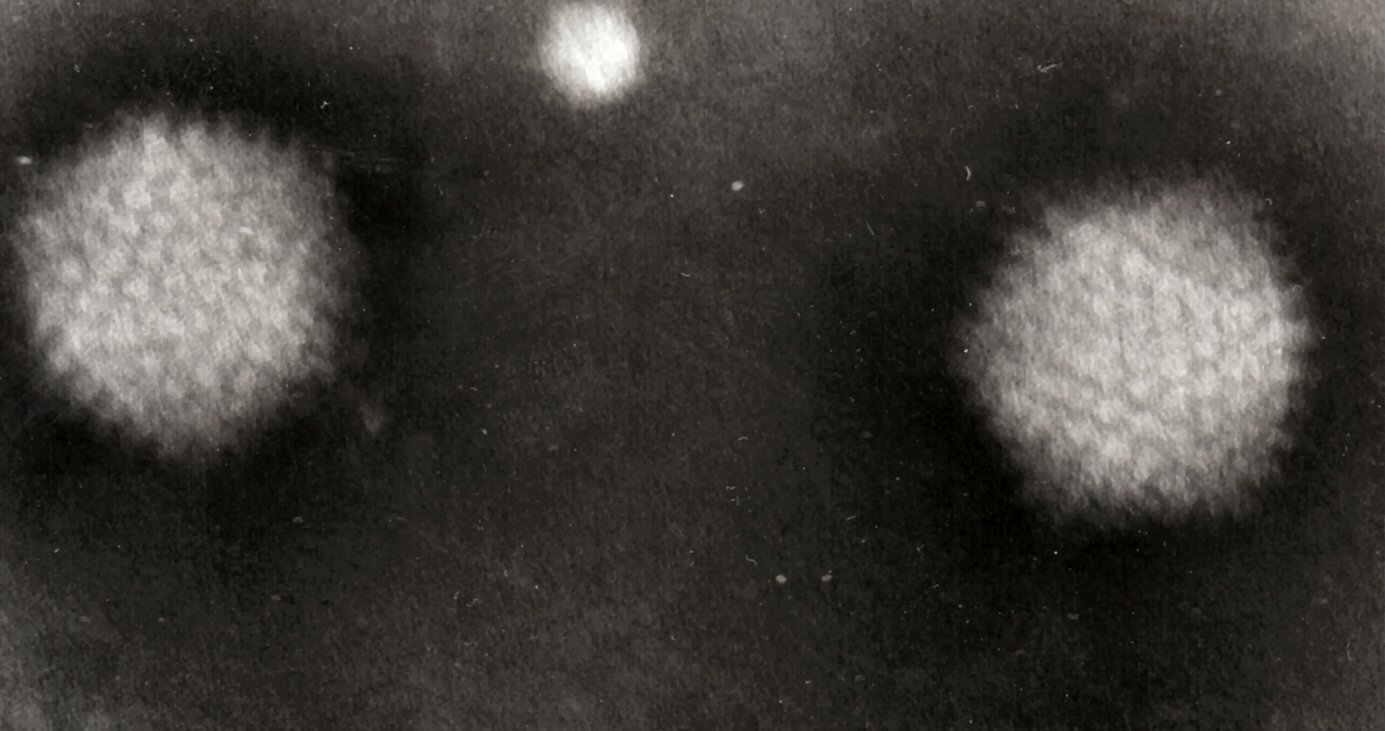
Adenoviruses have an icosahedral shape, which looks like a soccer ball!
Adenoviruses are also heroes in gene therapy!
Adenoviruses are contagious, which means they can spread from person to person!
The study of adenoviruses is super exciting for scientists!
Photos of Adenoviridae
![Adenovirus D26 structural model at atomic resolution[1]](https://upload.wikimedia.org/wikipedia/commons/thumb/7/7c/Adv-D26_7-24-2021_1_ps.tif/lossy-page1-640px-Adv-D26_7-24-2021_1_ps.tif.jpg)
Adenovirus D26 structural model at atomic resolution[1]

The structure of adenovirus. 1 = penton capsomers, 2 = hexon capsomers, and 3= viral genome (linear dsDNA)
💪 Vaccine Development
Scientists are always trying to create vaccines to protect us from viruses, including adenoviruses. 💪Vaccines train our immune systems to recognize and fight off these germs without getting sick. Some adenovirus-based vaccines are already in use! For example, researchers used adenoviruses to develop vaccines against Ebola and COVID-19. Scientists are continually working on new vaccines to help fight different diseases. Testing and making vaccines is a long process, but it's important for keeping everyone safe and healthy! 🌟
Go deeper📜 Genomic Organization
Adenoviruses have a special genetic blueprint called a genome. 📜Their genome is around 36,000 to 40,000 base pairs long! This DNA is organized in a linear way, which helps scientists understand how the virus works. The genome has different parts that tell the virus how to make proteins and reproduce itself. Some genes help the virus escape our body's defenses while others help it make copies of itself. By studying how the genome is structured, researchers can find new ways to stop the virus from spreading and getting us sick! 🔍
Go deeper🐶 Types Of Adenoviruses
There are over 50 different types of adenoviruses, and they are numbered from 1 to Ad68! Each type has a unique ability to affect humans and other animals. For example, Ad2 and Ad5 are common in people and can cause colds. Dogs can get sick from canine adenovirus, which is similar but different! 🐶Some adenoviruses can cause serious illnesses, especially in babies and people with weak immune systems. Knowing about the different types helps doctors treat and prevent adenovirus infections better. 🌍
Go deeper💉 Adenovirus In Medicine
Adenoviruses have a unique way of helping scientists and doctors! 💉Researchers are studying them to create new treatments and vaccines. Because they can enter human cells easily, scientists use them to deliver medicine right where it's needed! This means adenoviruses can be helpful in treating some diseases, even cancer. They are used in special vaccines that protect against other viruses too. By understanding how adenoviruses work, doctors hope to develop better ways to make us healthy in the future! ⚗️
Go deeper🧬 History Of Adenoviridae
In 1953, scientists found the first adenoviruses in children who had respiratory infections. The first virus they discovered was named "adenovirus 1" (Ad1). This virus was found in the adenoid tissue, which is a part of our throat. 🧬The name "adenovirus" comes from "adenoid," where they were first discovered! Over the years, scientists have identified over 50 different types of adenoviruses. They usually come from animals and humans, and they can infect both! As science advanced, we learned more about how these viruses spread and cause sickness. 🎉
Go deeper😷 Pathogenesis And Diseases
When adenoviruses enter our bodies, they can make us feel sick. 😷They often infect our respiratory system, causing colds or flu-like symptoms. Some symptoms include a sore throat, cough, fever, and runny nose. Adenoviruses can also cause eye infections, like pink eye, and stomach issues, leading to diarrhea. Most people get better on their own, but some may need medicine. Babies, elderly people, and those with weak immune systems are more at risk of severe illness. Doctors study how these viruses cause diseases to help protect everyone! 🏥
Go deeper⚽ Structure And Composition
Adenoviruses have an icosahedral shape, which looks like a soccer ball! ⚽They are nonenveloped, meaning they do not have an outer layer. Adenoviruses are made up of proteins that protect their genetic material, which is double-stranded DNA. This DNA carries the instructions for making more viruses. The virus's surface has special spikes that help it attach to our cells. When they attach, they can enter our bodies and start to multiply! Scientists study their structure to learn how they can make us sick and how we can defend ourselves from them. 🧪
Go deeper🦸♂️ Adenoviruses In Gene Therapy
Adenoviruses are also heroes in gene therapy! 🦸♂️ Gene therapy is a method that tries to fix problems in our genes. Researchers use modified adenoviruses to deliver healthy genes into our cells. This can help treat genetic diseases like cystic fibrosis or muscular dystrophy. By using adenoviruses, scientists can help our bodies make the right proteins they need to be healthy. Although this research is still ongoing, it gives hope for better treatments for genetic diseases! Keep an eye on this exciting area of science! 👀
Go deeper🌐 Transmission And Epidemiology
Adenoviruses are contagious, which means they can spread from person to person! 🌐They often travel through tiny water droplets when someone coughs or sneezes. You can also catch them by touching contaminated surfaces or sharing objects like cups or toys. Adenoviruses are common in crowded places, like schools or daycare centers. They are most active in the fall and winter months. Washing hands often and using tissues can help stop the spread of these germs! Remember, if you feel sick, it's essential to stay home to keep others healthy! 🙌
Go deeper🔬 Research And Future Directions
The study of adenoviruses is super exciting for scientists! 🔬They are always looking for new ways to use these viruses in medicine and cure diseases. Current research focuses on using adenoviruses to treat serious illnesses like cancer and genetic disorders. Scientists are experimenting with modifying these viruses to make them even safer and more effective. With lots of hard work and creativity, researchers hope to discover new treatments in the future! Finding out more about adenoviruses can help improve health for everyone around the world! 🌍
Go deeper