Activated carbon is a highly porous material used for adsorption of impurities and contaminants in air, water, and various applications.
Set reading age
View for Kids
Easy to read and understand
View for Students
Clear, detailed explanations
View for Scholars
Deep dives and big ideas
Activated carbon is a special material that acts like a sponge for tiny particles! 🧽It is made from carbon-rich materials like wood, coconut shells, or peat. Scientists heat up these materials to create activated carbon, which has many little holes, making it very good at soaking up impurities. This means it can help clean water and air! People use activated carbon for various purposes, like making clean drinking water and freshening the air in our homes. 🌍With its unique properties, activated carbon plays a big role in everyday life, even if you don’t see it!
Activated carbon helps our environment in many ways! 🌱Because it can clean air and water, it reduces pollution and helps protect plants and wildlife. When used in cleaning products, it reduces the need for harsh chemicals that can harm nature. Plus, many manufacturers are exploring eco-friendly ways to produce activated carbon, using materials like agricultural waste instead of trees! 🌳This helps lessen deforestation efforts. With its various environmental benefits, activated carbon supports a cleaner, healthier planet for all of us!
The process of making activated carbon is fascinating! 🤔First, raw materials like coconut shells or wood are collected. Next, they are heated in a special way without oxygen—this is called pyrolysis. 🔥After that, the carbon is treated with steam or chemicals to create hundreds of tiny holes. The holes make the carbon "activated," increasing its ability to trap harmful particles. Finally, it is crushed into tiny pieces or pellets, ready to use! This special manufacturing process helps produce high-quality activated carbon used in many products today! 🏭
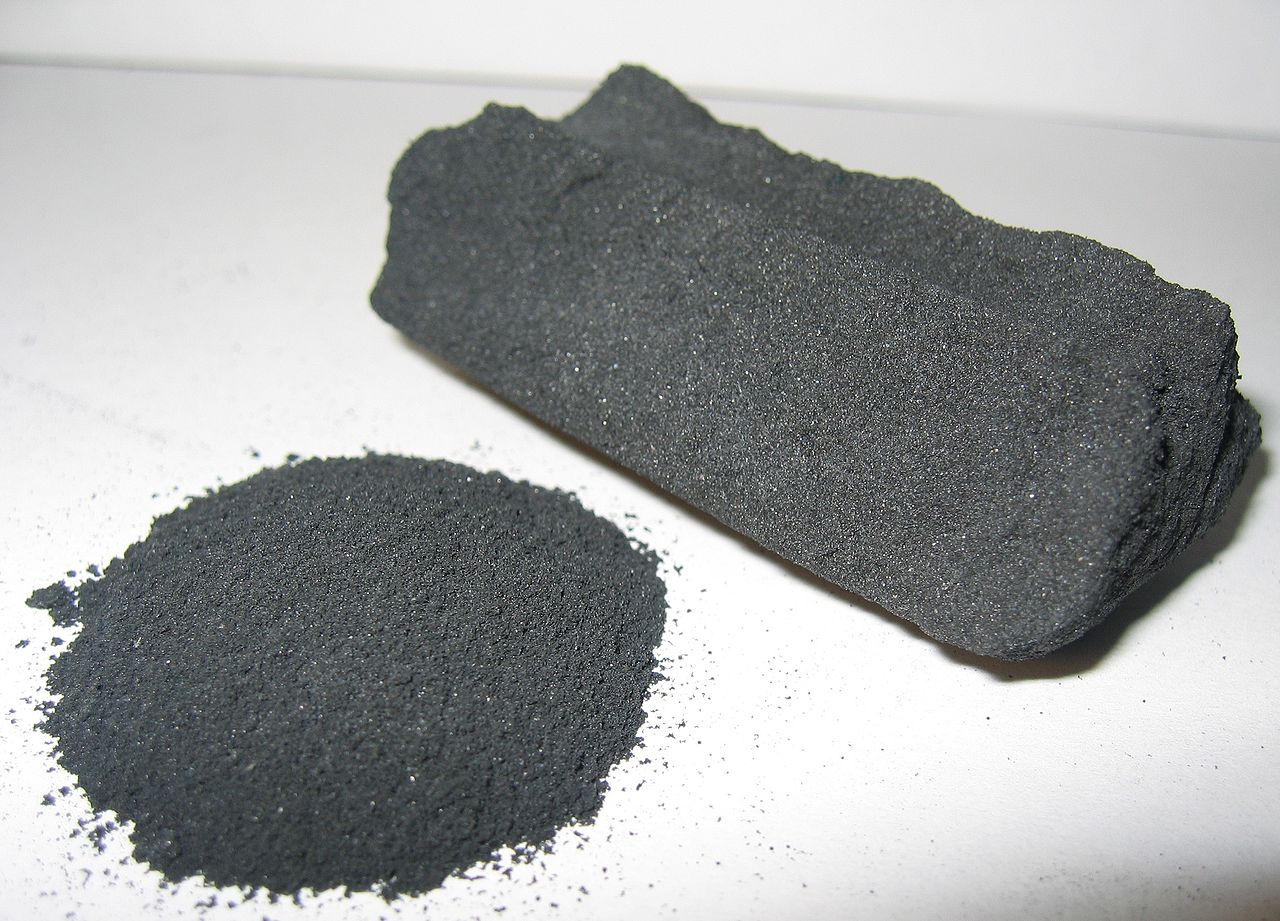
There are different types of activated carbon, each with special uses! 🏷️ The main types include powdered activated carbon (PAC), granular activated carbon (GAC), and extruded activated carbon (EAC). PAC is like fine powder and is often used in water purification. GAC, which is larger and granular, is great for filtering air and water. EAC is shaped like small cylinders, making it strong for certain applications. Each type works well for specific jobs, so people choose the right one based on what they need. 🌈
Activated carbon has been used for a long time! 📜The ancient Egyptians used it as early as 1500 B.C. to help preserve their food. Later, in the 19th century, scientists started studying it more closely. In 1901, a Scottish scientist named Sir Frederick William W. Stokes discovered that activated carbon could absorb bad smells and harmful substances. Today, we use activated carbon in many modern technologies. 🌟Knowing its history helps us appreciate how this amazing material has evolved and why it's so useful in our lives!
Activated carbon is used in many important ways! 🎉It helps treat drinking water, make it safe for us to drink. It’s also used in fish tanks, keeping the water clean for pets! In homes, activated carbon can absorb bad odors from the air, like cooking smells or pet odors. Additionally, it plays a role in medical applications, like detoxifying harmful substances from the body. 🏥With so many applications, activated carbon is a superhero of cleanliness and health in our daily lives!
Activated carbon is a superstar in cleaning water! 💧When water passes through activated carbon filters, harmful substances like chlorine and heavy metals are trapped in its tiny holes. This process helps make drinking water safer and tastier! Water treatment plants use activated carbon to purify water before it reaches our taps. Even home water filters often include it in their design! The activated carbon not only helps remove impurities but also makes the water smell and taste better. 🥤Thanks to it, we can drink refreshing water!
Activated carbon is great for cleaning the air we breathe! 🌬️ In air purifiers, activated carbon filters trap dust, pollen, and other irritating particles. This makes the air inside our homes fresher and healthier! Many air fresheners also use activated carbon to absorb unwanted odors. When cooking or using strong-smelling products, activated carbon works quietly in the background to keep our air clean. So, when you take a breath of fresh air, you might just be thanking activated carbon for its hard work! 🌈
The future of activated carbon is exciting! 🚀Scientists are developing new ways to improve its effectiveness and create even better materials. One idea is to combine activated carbon with other materials to make it even stronger and more effective at filtering pollutants. Researchers are also finding new sources for making activated carbon, like food waste, which is great for the environment! 🥕These innovations can lead to better air purifiers and water filters that are more eco-friendly. We can’t wait to see what new amazing uses activated carbon will have in the coming years! 🌟


DIY is a creative community where kids draw, build, explore ideas, and share.
No credit card required