Meme Soundborad
Meme soundborad is a fun way for kids to build a playful sound board inspired by internet jokes, reactions, and character moments. It helps young makers explore timing, voice, and humour while keeping the activity creative, safe, and easy to understand.
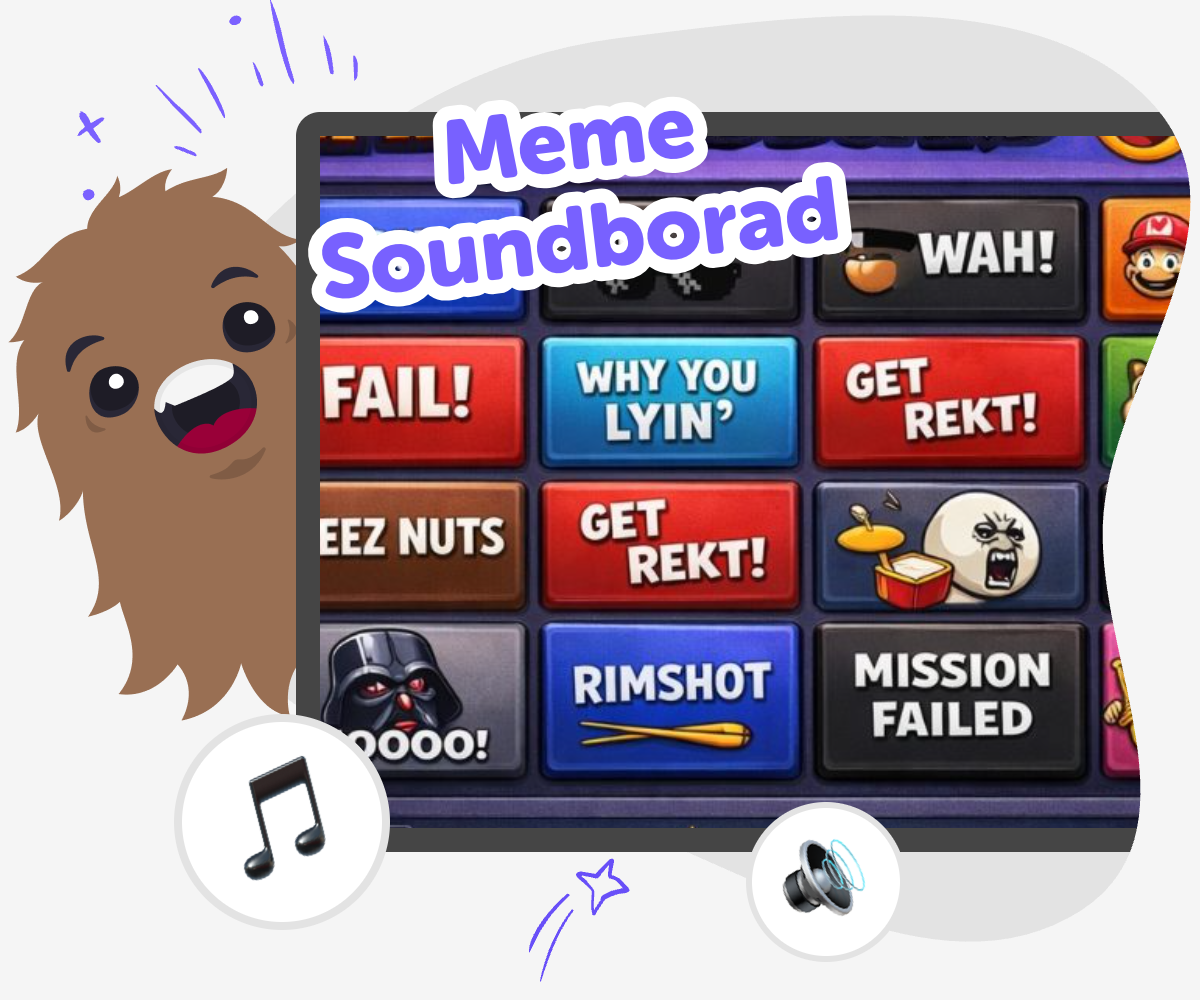
Build a Fun Sound Board
A meme soundborad is a playful set of sounds, reactions, and joke moments that helps kids turn a funny idea into something interactive. It matters because kids learn how timing, surprise, and repetition can change how a joke feels, and that builds creative thinking they can use in many projects. When kids explore the idea, they are not just laughing at a joke. They are learning how small choices shape the mood, how clear labels help other people join in, and how testing ideas can make a project stronger.
Vibe Coding helps kids explore meme soundborad ideas by letting them describe what they want to make, then build it step by step with guided coding support. They can try sounds, adjust buttons, and improve the experience as they go, which keeps the activity hands-on and creative. The tool supports safe experimentation by encouraging kids to make one change at a time, listen carefully, and choose playful, age-appropriate sounds. That way the topic stays front and center, while the tool helps kids learn by doing and gain confidence with each test.
What makes a meme soundborad work well?
A meme soundborad works best when the sounds are short, easy to recognise, and matched to a clear idea. If every button feels random, the joke can get confusing. When the sounds all point to the same mood, the board feels more playful and much easier to use. Kids can think about rhythm, timing, and contrast too. A quiet sound followed by a loud one can be funnier than two loud sounds in a row. The best projects usually start small, then get better after a few test taps. That kind of trial-and-improve process is useful beyond jokes, because it helps kids notice what their audience will hear, understand, and enjoy.
Why do kids like making sound boards?
Kids often enjoy sound boards because they mix humour, choice, and action. Instead of just watching a joke happen, they get to build the joke themselves. That makes the project feel more personal. A sound board also gives kids a safe way to practice creative decision-making, since they can decide which sounds fit, which button labels make sense, and which order feels best. When a project has a little play built into it, kids stay curious and keep testing ideas. That repeated testing builds confidence. It shows them that creative technology is not only about getting something perfect right away, but about making something, listening to it, and improving it step by step.
How can a sound board stay safe and age-appropriate?
A good meme soundborad should be fun without being rude, scary, or confusing for other people. Kids can focus on friendly reactions, cartoon-like effects, and jokes that make sense in a classroom, home, or club setting. It helps to avoid sounds that imitate real people in mean ways or copy content that is not meant for kids. Safety also means being thoughtful about who will hear it and how they might feel. When kids learn to make playful choices that are still respectful, they build strong creative habits. Those habits matter in every digital project, because they teach kids how to share work that is entertaining, kind, and easy for others to enjoy.
What skills do kids practice while making one?
Making a meme soundborad helps kids practice problem-solving, listening, and iteration. They have to decide what each sound should do, test whether it works, and change things when it does not. That process is a real form of coding thinking, even when the project feels light and playful. Kids also learn how to organise ideas, because a sound board needs clear buttons, sensible labels, and a flow that makes sense. If they work with Vibe Coding, they can explore the project with guided support while still doing the real making themselves. That keeps the experience active and creative. Over time, kids start to trust their own ideas more because they see that they can build, test, and improve something on purpose.
How to Make One
Pick your joke style
Choose the kind of meme soundborad you want to make, such as silly reactions, dramatic moments, or funny surprises. Keep the idea simple so the sounds match one clear feeling.
Choose your sounds
Collect short audio clips, voice lines, or sound effects that fit your joke style. Try to pick sounds that are easy to tell apart when you tap them.
Arrange and test
Place the sounds into buttons and try them in different orders. Tap through your sound board to see whether the timing feels funny, clear, and easy to use.
Make the most of remixing
Try a new version Change one sound, button label, or order so your sound board feels easier to understand or funnier to play. Test the timing Play each button in sequence and notice which moments land best. Small timing changes can make a big difference in how the joke feels. Check for kind humour Keep the sounds playful and age-appropriate so the board stays friendly for classmates, family, and friends. Keep improving Save your favourite version, make another remix, and compare them to see which one works best.
Frequently asked questions
What is a meme soundborad?
A meme soundborad is a playful set of buttons or sounds that creates a funny reaction, joke, or character moment when you tap it. Kids can use it to explore humour, timing, and creative expression.
Why do people make sound boards with meme jokes?
People make them because short sounds can make a joke feel faster and more memorable. A good sound board helps a funny idea land with the right timing and gives listeners something interactive to enjoy.
Can kids make their own meme soundborad?
Yes. Kids can make one by choosing sounds they like, arranging them into buttons, and testing how they feel together. The best projects start simple and get better with practice.
What kinds of sounds work best?
Short reactions, silly effects, and clear voice clips usually work best because they are easy to recognise. Sounds should fit one main idea so the board feels fun instead of random.
How can a sound board be funny without being mean?
Choose jokes that feel light, friendly, and age-appropriate. Avoid sounds that tease real people or copy content that could upset someone, and focus on playful moments instead.
Do kids need to know a lot of coding first?
No. Kids can start with simple choices and build their confidence as they go. With guided support from Vibe Coding, they can make, test, and improve the project step by step.
What if the sound board does not feel funny at first?
That is normal. Kids can change the order, swap sounds, or shorten a clip and try again. Testing and improving is part of the creative process.
Can a meme soundborad be used in class or at home?
Yes, as long as it stays friendly and easy to share. A kid-made sound board can be a fun classroom project, family activity, or creative challenge with simple, safe humour.
More tools
Build a Phonics Game
Build a phonics game and turn letter sounds, word practice, and simple play into a hands-on learning activity for kids. With guided creative coding support, kids can make a game they can test, change, and improve while building confidence with reading and technology.
Build a Pikachu Game
Build a Pikachu Game with a kid-friendly creative coding studio that helps kids imagine, make, test, and improve an interactive project step by step. This page helps young makers understand the idea, get started with confidence, and explore game design through guided hands-on building.
Build a Pizza Clicker Game
Build a Pizza Clicker Game is a fun way for kids to learn how simple game ideas become interactive projects. With a clear goal, repeating actions, and lots of room for creativity, this topic helps young makers think like game designers while they plan, test, and improve their own pizza-themed clicker game.
Build a Plague Inc Game
Build a Plague Inc game idea by turning strategy, systems, and cause-and-effect into a creative project kids can explore step by step. With guided support, kids can plan how a game works, test ideas, and improve their design while learning through making.
Ready to start creating?
Join hundreds of thousands of kids already building cool stuff on DIY.ORG.