Create Reading Games For Kindergarten
Create reading games for kindergarten with simple, playful ideas that help young children practice letters, sounds, matching, and early reading skills. This page explains the topic in a kid-friendly way and shows how Vibe Coding can help kids build, test, and improve their own reading games step by step.
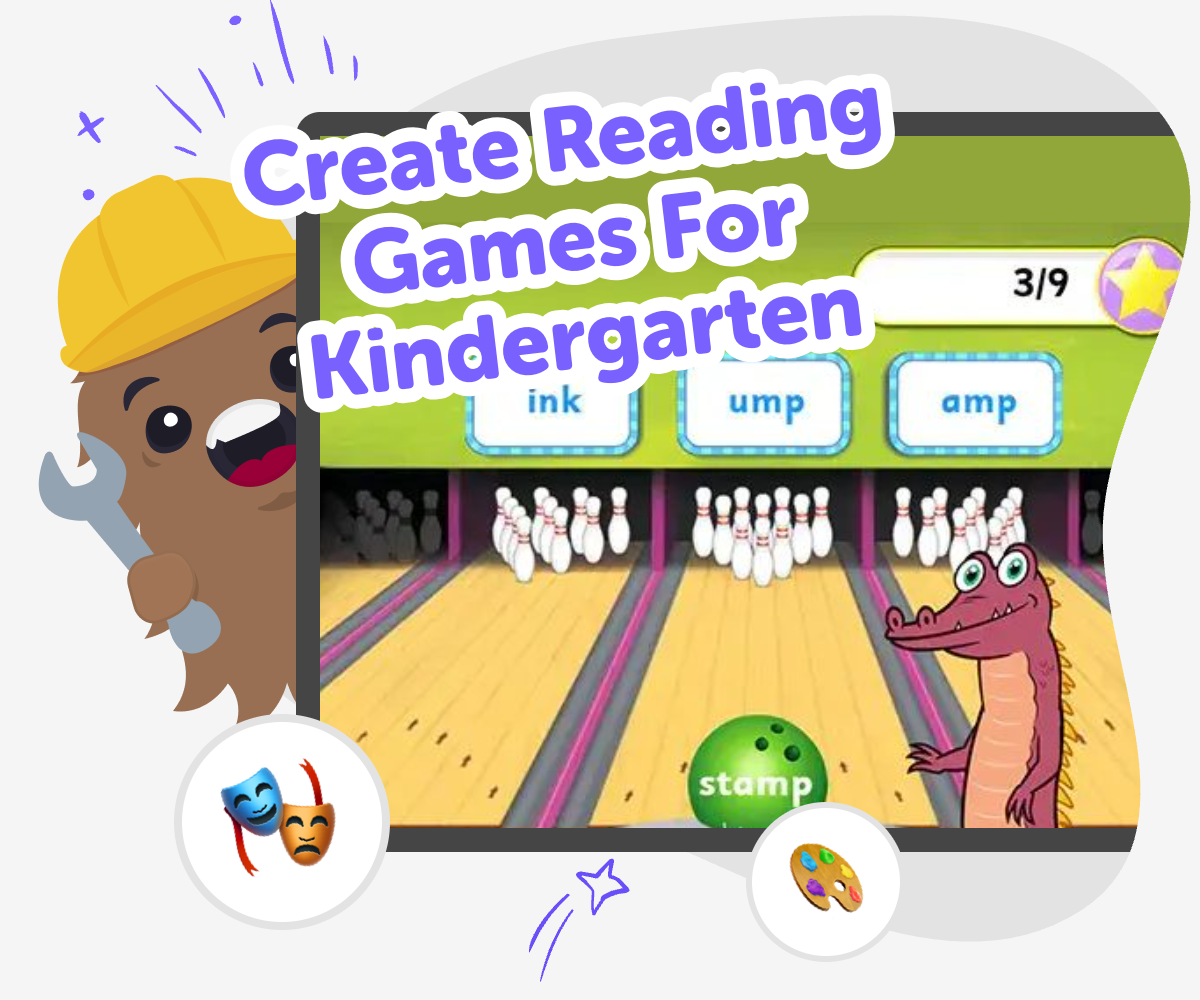
About this tutorial
Create reading games for kindergarten by turning early literacy into play. Simple games can help young children match letters, hear sounds, recognize words, and feel proud when they get answers right. These games matter because they make reading practice feel fun, safe, and low-pressure, which helps kids build confidence while learning important early skills.
A good kindergarten reading game uses short directions, clear choices, and easy wins. It should feel playful enough to keep attention, but simple enough for young learners to follow without getting stuck.
Vibe Coding gives kids a guided place to shape a reading game, test how it works, and improve it over time. Kids can build a quiz, matching game, or story-based activity, then adjust the rules, pictures, and feedback so the game feels friendly and easy to use.
That makes the topic more than an idea. It becomes a hands-on project where kids can practice creative technology skills, problem-solving, and iteration while making something useful for younger readers.
Step by step
- 1
Choose one skill
Pick one early reading skill for the game, such as letter names, beginning sounds, rhyming, or matching words to pictures. A small goal makes the game easier for kindergarten kids to play and understand.
- 2
Sketch the play
Decide what the player sees, hears, and taps. Plan short rounds, simple choices, and friendly feedback so the game feels clear from the first try.
- 3
Make it in Vibe Coding
Use Vibe Coding to turn your idea into a working reading game step by step. Build one part, test it, then change anything that feels confusing or too hard.
- 4
Make the most of testing
Try a new version Use different words, pictures, or sounds to see which choices feel easiest for young players. Keep the changes small so you can notice what really helps.
Watch the player flow Notice where a child pauses, guesses, or asks for help. Those moments show you which part of the game needs clearer directions or simpler choices.
Tighten the feedback Make the result messages gentle, clear, and encouraging. A kind response helps kindergarten players stay calm and want to try again.
Save and remix Keep your best version, then test one fresh idea at a time. Small remixes help you improve the game without losing what already works.
What makes a reading game work for kindergarten?
A strong kindergarten reading game is simple, visual, and easy to repeat. Young children usually do best with one clear goal at a time, such as finding a letter, choosing a matching picture, or hearing a sound and picking the right word. The game should not ask kids to read long directions before they can start. Instead, the play should show what to do through pictures, spoken prompts, or big, clear text. When the rules are short and the feedback is kind, kids can focus on the learning part instead of feeling lost. That helps the game stay fun while also supporting early reading skills. It also gives children a chance to practice noticing patterns, making choices, and remembering what they learned from one round to the next.
Why do playful reading activities help young learners?
Play helps young children learn because it keeps their attention and gives them a reason to try again. When a reading activity feels like a game, kindergarten kids are more willing to look closely at letters, sounds, and words. They can experiment without worrying about being perfect on the first try. That matters because early reading is built through repetition and confidence. A playful format also lets children learn from mistakes in a calm way. If they choose the wrong answer, the game can gently guide them to try again instead of making them feel discouraged. Over time, this kind of practice can strengthen memory, attention, and sound recognition. It also helps children connect reading with curiosity and success, which is a great start for lifelong learning.
How can kids make a reading game safely?
Kids can make a reading game safely by keeping the project age-appropriate, simple, and friendly. The best kindergarten games use gentle language, familiar pictures, and clear choices that do not overwhelm young players. It is a good idea to avoid tricky rules, fast timers, or anything that might make the game feel stressful. When kids build in Vibe Coding, they can work step by step, test their ideas, and make changes as they go. That helps them stay focused on learning instead of trying to do everything at once. Safety also means thinking about the audience. A game for kindergarten should be easy to understand, free from scary content, and designed to support success. With thoughtful choices, kids can create something fun that younger children can enjoy with confidence.
What can kids learn while making one?
Making a reading game teaches more than letters and words. Kids also practice planning, problem-solving, and making improvements based on testing. They learn to think about a player’s experience: Is this clear? Is it too hard? Does the feedback make sense? Those questions build design thinking and help kids see that creative work gets better through revision. They also learn basic coding habits like breaking a big idea into smaller steps and changing one part at a time. That process builds confidence because kids can see their ideas becoming real. Whether the final project is a matching game, quiz, or story activity, the maker gets experience turning imagination into something interactive. That sense of ownership is often what makes creative learning stick.
Need help?
What is a kindergarten reading game?
A kindergarten reading game is a playful activity that helps young children practice early literacy skills like letters, sounds, matching, and simple words. It should be easy to follow and built around quick, clear choices.
What skills should the game teach?
Good kindergarten reading games usually focus on one small skill at a time, such as letter recognition, beginning sounds, rhyming, or matching pictures to words. Keeping the goal narrow helps young children stay focused and successful.
How long should the game be?
Short is best for kindergarten players. A game with a few rounds, simple rules, and quick feedback is easier for young children to enjoy and repeat without getting tired.
What makes a game easy for young readers?
Big text, clear pictures, short directions, and one decision at a time make a game easier for young readers. Gentle feedback also helps kids stay calm and keep trying.
Can kids make their own reading games?
Yes. Kids can make their own reading games by starting with a simple idea and building it step by step. Guided tools like Vibe Coding can help them test, change, and improve the game as they go.
How can a game stay safe and age-appropriate?
A safe kindergarten game uses friendly language, familiar topics, and simple choices. It should avoid scary content, confusing rules, and anything that feels too fast or stressful for young children.
What kind of game ideas work well?
Matching games, picture quizzes, letter hunts, sound games, and simple story choices work especially well. These formats are easy for young children to understand and fun to repeat.
Why keep improving the game after the first version?
Improving the game helps it become clearer, smoother, and more fun for kids who play it. Testing and revising also helps the maker learn how to turn an idea into a better project over time.