Build games For 2nd Grade
Build games for 2nd grade is a kid-friendly way to turn simple ideas into playful activities that match early classroom skills. Kids can explore shapes, choices, rules, and problem-solving while making something they can test and improve. With Vibe Coding, they can build games step by step, try out ideas, and keep learning through hands-on creation.
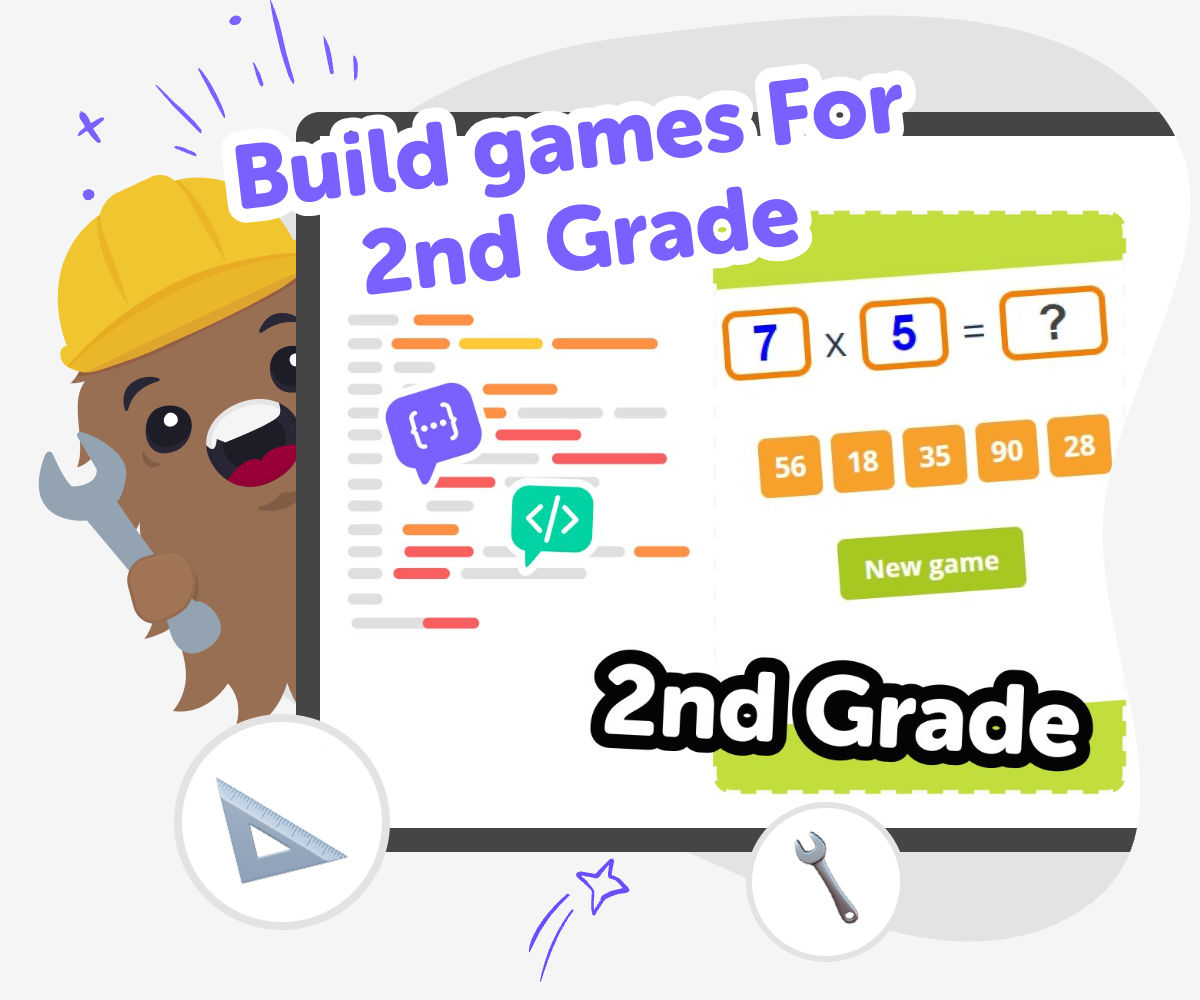
About this tutorial
Build games for 2nd grade helps kids turn a simple idea into something they can play, test, and change. It matters because making a game helps young learners practice rules, choices, patterns, and problem-solving in a way that feels active and fun.
When the project is small and clear, kids can focus on one idea at a time and build confidence as they improve it. That kind of hands-on making supports creativity and helps children see that learning can happen through play.
Vibe Coding gives kids a guided place to explore build games for 2nd grade step by step. They can describe the game they want, try it out, and make careful changes as they learn what works.
The tool stays focused on creating, testing, and improving, so kids can experiment safely without needing to know everything at once. It helps them keep the topic first while giving them a practical way to bring their game ideas to life.
Step by step
- 1
Choose a game idea
Pick a simple game theme, like a maze, quiz, race, or matching game. Keep the first idea small so it is easy to build and test.
- 2
Add the rules
Decide what the player does, how to win, and what happens when they make a choice. Simple rules help a 2nd grade game feel clear and fun.
- 3
Test what happens
Run the game and see if the buttons, score, or actions do what you expected. Change anything that feels confusing or too hard.
- 4
Make the most of remixing
Try a remix Change one part of the game, like the colors, challenge, or sound, so it feels new while still staying easy to play.
Check the play flow Play from start to finish and notice where someone might get stuck. Clear up any steps that feel slow, tricky, or unclear.
Make it feel like yours Add a character, theme, or funny detail that matches the idea you want players to notice. Small creative touches can make a simple game special.
Keep improving Save a version, try another change, and test again to see what works best. Building games gets easier when kids keep experimenting and learning from each round.
Why do simple games work so well for 2nd graders?
Simple games work well for 2nd graders because young kids learn best when the goal is easy to understand and the actions are clear. A game with one idea, like matching, counting, or choosing the right path, gives kids a chance to practice thinking without too many steps at once. That can make the project feel fun instead of overwhelming. Simple games also leave room for creativity, because kids can change the theme, the characters, or the rules without needing a big, complicated project. When children build a game that matches their age and skills, they are more likely to keep trying, fix mistakes, and feel proud of what they made.
What skills do kids use when they build a game?
When kids build a game, they use more than coding ideas. They practice problem-solving by asking what should happen first, next, and last. They use creativity when they decide what the game looks like and what story it tells. They also build patience and confidence when they test something, notice a mistake, and try again. These are important learning skills for all kinds of schoolwork and projects. Even a small game can teach kids how to plan, follow steps, and improve their work. That is why game-making is useful: it turns big thinking into something children can see, play, and adjust with their own hands.
How can game-making stay safe and age-appropriate?
Game-making stays safe and age-appropriate when the project is built around simple choices, friendly themes, and clear rules. Kids do best with projects that focus on learning and play, not on complicated features or content that feels too grown-up. It also helps when they build in a guided space where they can test ideas with support and make changes before sharing. For younger children, safe game-making means using age-friendly words, easy controls, and themes that match their interests. Parents and educators can look for tools that encourage creativity, gentle feedback, and steady practice. That way, kids can explore technology in a way that feels comfortable and appropriate.
Why is testing such a big part of making games?
Testing is a big part of making games because games only work well when other people can understand and play them. A kid may know exactly what they meant to build, but another player may get stuck or miss a rule. Testing helps kids notice those gaps. It can show whether the game starts the right way, whether the choices make sense, and whether the end goal is clear. Testing also teaches an important habit: ideas improve when they are tried, checked, and changed. This is one reason game-making is such a strong learning activity. Kids do not just imagine a game. They learn how to shape it, check it, and make it better over time.
Need help?
What does it mean to build games for 2nd grade?
It means making a simple game that fits the way second graders think and learn. The game should have clear rules, easy choices, and a fun idea that kids can understand quickly.
What kind of game is best for a second grader to make?
The best games are usually simple ones, like matching games, quiz games, mazes, or short choice games. These are easier to plan, test, and change while still feeling fun.
Do kids need a lot of coding experience to start?
No. Kids can start with a small idea and build from there. Guided tools like Vibe Coding can help them shape the project step by step, so beginners can learn as they go.
How do games help second graders learn?
Games can help kids practice following rules, solving problems, noticing patterns, and making decisions. They also give children a chance to revise their work and feel proud of progress.
Can a second grader make a game on their own?
Yes, with the right support. Many kids can start the idea on their own and then use guidance from an adult or a kid-friendly tool to keep building and testing.
What should a simple game include?
A simple game should include a clear goal, a few rules, and an easy way to start and finish. It also helps if the game has one main action, like choosing, moving, matching, or answering.
How can kids make their game more creative?
They can change the theme, add a character, pick colors, or give the game a fun story. Small creative choices can make a simple project feel special and personal.
Why is it important to test and improve the game?
Testing helps kids see what works and what needs fixing. Improving the game after each test helps them learn that making is a process, not just one try.