Build a Diep IO Game
Build a diep io game by planning a tank battle idea, shaping the gameplay, and testing how it feels to play. This page helps kids understand the game style and start making their own interactive version with creative, guided coding support.
About this tutorial
Build a diep io game by turning a simple tank battle idea into something you can actually play. It helps kids learn how movement, aiming, scoring, and upgrades work together in a game that is easy to start and fun to improve.
A small version can still teach a lot because each choice changes how the game feels. Kids can test one idea at a time, notice what works, and keep making the game clearer, smoother, and more exciting.
Vibe Coding gives kids a guided place to explore the topic step by step. They can describe the game they want, build a first version, test it, and make changes as they go without needing to know everything at once.
That hands-on process supports creativity, safety, and confidence. Kids stay focused on making and learning, while the tool helps them experiment in a calm, practical way.
Step by step
- 1
Choose your game idea
Pick the kind of tank battle you want to make, such as a simple arena, a team match, or a score-chasing challenge.
- 2
Set up the controls
Decide how the tank moves, aims, and shoots so the game feels easy to understand and fun to try right away.
- 3
Test the action
Play the game, notice what feels too hard or too slow, and change one part at a time to make it better.
- 4
Make the most of testing
Try a new map Change the arena size or shape so the game feels different and you can see how the battlefield changes the way people play.
Adjust the challenge Add or remove enemies, health, or power-ups to find a level that feels fair, exciting, and easy to understand.
Improve the feel Tweak movement, aiming, or shooting so the tank responds in a smoother way and the game becomes more fun to replay.
Save and remix Keep your favourite version, then make another one with a new idea so you can compare what changed and what worked best.
What makes a Diep IO game fun?
A Diep IO game is fun because it mixes simple controls with smart choices. Players usually move a tank, aim carefully, and try to stay alive while collecting points or growing stronger. That means the game is easy to start, but it still gives kids lots of chances to think, test, and improve. A good version does not need to be huge or complicated. Even a small arena with clear rules can feel exciting if the movement is smooth and the action is easy to follow. When kids build their own version, they can focus on one fun idea at a time, which helps the game feel stronger and more playful.
Why do kids learn from making one?
When kids build a Diep IO game, they practice more than coding. They learn how to break a big idea into smaller parts, like movement, scoring, and what happens when a tank gets hit. They also learn that games improve through testing. If something feels confusing, they can change it and try again. That kind of practice builds confidence because kids see their ideas become real step by step. It also supports problem-solving, since every game choice affects how the whole project works. Making a game like this helps kids understand that creative technology is not just about rules. It is also about experimenting, noticing results, and learning from each version.
How can kids keep it safe and age-appropriate?
A kid-made tank game works best when it stays friendly, clear, and easy to understand. Kids can keep the theme playful by focusing on strategy, movement, and score goals instead of realistic violence. They can also make the play space simple, avoid confusing controls, and choose bright visuals that help players know what is happening. Safety matters because it keeps the project welcoming for younger builders and players. A good rule is to make the game challenging without making it stressful. When kids think about safety and kindness while designing, they learn how creators make digital projects that are fun for families, classrooms, and shared spaces.
How does guided coding help ideas grow?
Guided coding helps kids turn a rough idea into something they can test and improve without feeling stuck. Instead of trying to solve everything at once, they can build one part, check how it works, and make the next change after that. This is useful for a game like Diep IO because even small details can change the whole experience. A better control, a clearer rule, or a simpler map can make the game much easier to play. With support from Vibe Coding, kids get a place to experiment at their own pace. That makes creative coding feel more approachable and teaches that every version is part of the learning process.
Need help?
What is a Diep IO game?
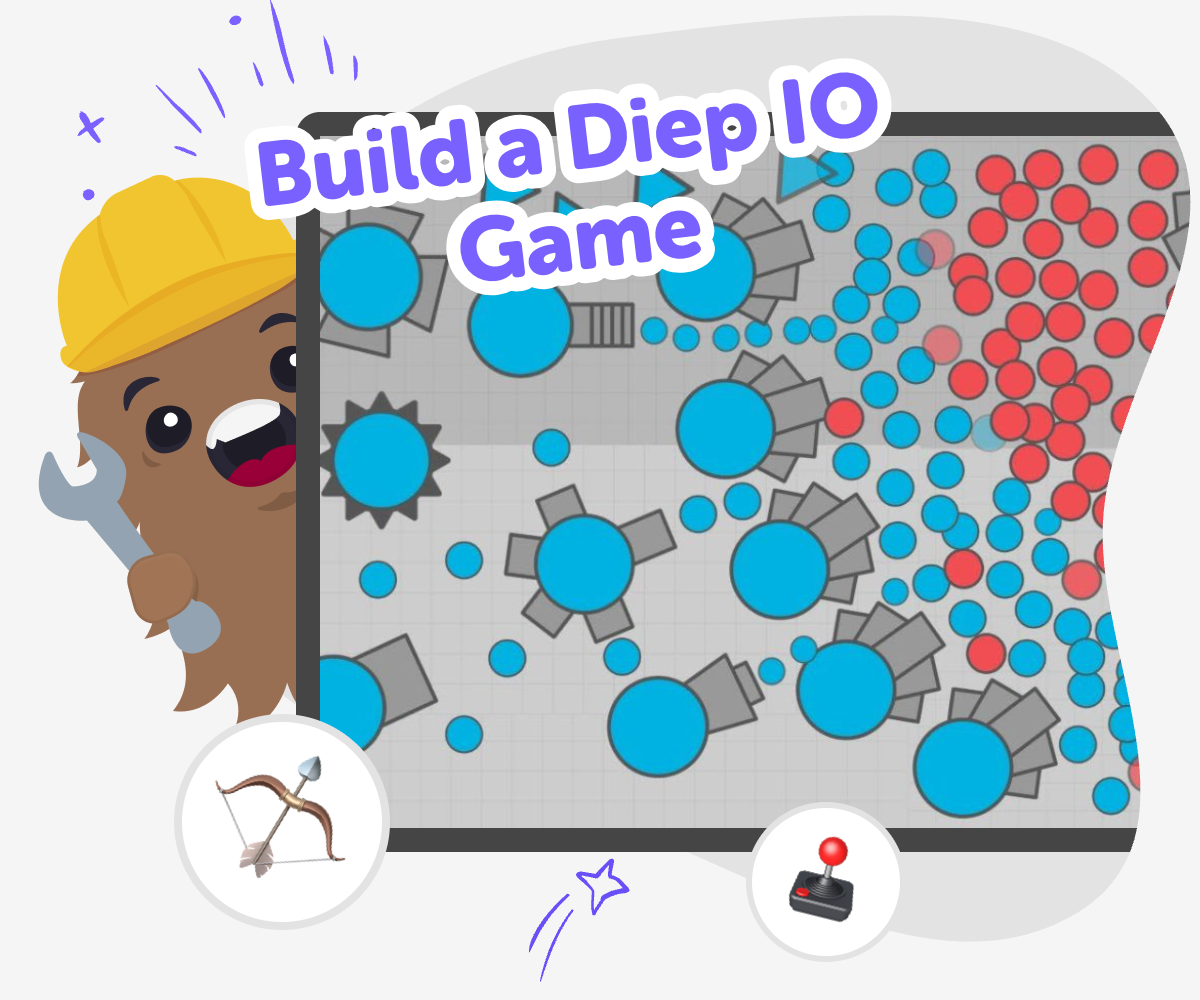
A Diep IO game is a fast tank battle game where players move around an arena, aim, shoot, and try to get stronger or score more points. Kids often like it because the rules are simple to start, but the game can still be shaped in lots of creative ways.
Can kids make their own tank battle game?
Yes. Kids can make a simple tank battle game by starting with movement, aiming, and a clear goal. It helps to build one feature at a time, then test it and change it if it feels too hard or too slow.
What should a beginner version include?
A beginner version can include one tank, basic movement, a way to shoot, and a score or win condition. That is enough to make the game feel real while keeping the project manageable for younger makers.
How do you make the game fun to play?
Make the controls easy, the rules clear, and the action quick to understand. It also helps to test the game often so you can notice what feels exciting and what needs to be simpler.
Is this kind of game okay for younger kids?
Yes, if it stays age-appropriate and focused on strategy, movement, and playful competition. Kid-friendly versions work best when they avoid harsh details and keep the challenge fair and understandable.
What if my game feels too hard?
That is normal. You can make the arena smaller, slow the action down, or change the number of targets or enemies. Small edits can make a big difference, and testing again is part of learning.
Can I make my version look different?
Yes. You can change colours, shapes, maps, and other visual details so the game feels like yours. Even a simple theme change can make the project feel fresh and more creative.
How does Vibe Coding help with this project?
Vibe Coding gives kids a guided place to describe their game idea, build it step by step, and improve it through testing. It supports creative coding without making the process feel overwhelming.