Alternatives to Bloked
Alternatives to Bloked is a kid-first page about finding other ways to play, make, and explore when a block or limit gets in the way. Kids can learn what the topic means, why safe choices matter, and how to keep building confidence with creative tools like Vibe Coding.
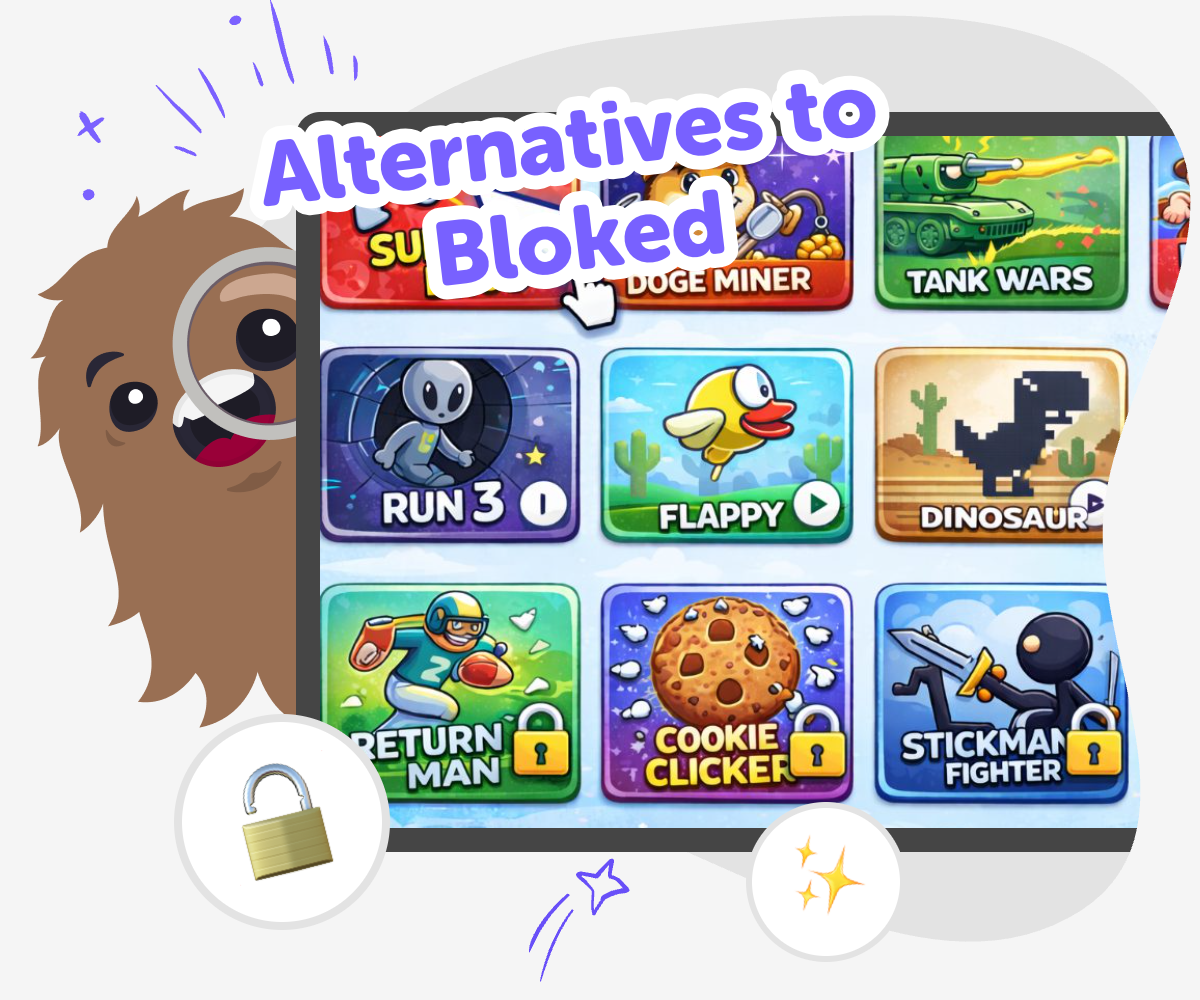
Find Better Ways to Build
Alternatives to bloked means finding another way forward when one idea, path, or option is not working. It helps kids stay curious, keep making, and learn that a blocked plan can turn into a smaller, safer, or more creative one. This matters because flexible thinking builds confidence. When kids know there is usually another way to try, they are more willing to experiment, solve problems, and finish projects they feel proud of.
Vibe Coding gives kids a guided place to explore that idea by helping them describe a game, app, story, or invention, then build it step by step. Kids can test each change, notice what works, and improve the project without feeling stuck. The tool keeps the process hands-on and supportive, so kids can practice creativity and problem-solving in a calm, safe way. It is about learning by making, not about getting everything perfect the first time.
What does alternatives to bloked mean?
Alternatives to bloked is a simple way to talk about finding another path when something you want to do is not working, not allowed, or not the best fit. For kids, that can mean trying a different game idea, a new tool, or a smaller first step instead of giving up. The idea matters because creative projects often get better when you are willing to switch directions, simplify, or try again. This helps build patience, confidence, and problem-solving skills. It also teaches an important maker habit: when one option is blocked, there may still be many safe and creative ways to keep going. That mindset is useful in coding, art, writing, building, and everyday life.
Why do kids need backup ideas?
Backup ideas help kids stay moving when a project feels hard. If one plan is too big, too confusing, or not available, a second choice can make the whole activity feel possible again. That is especially helpful for younger makers, who may want to create something exciting but need a smaller or safer starting point. Backup ideas can be as simple as changing a game into a quiz, turning a big invention into one feature, or using a different kind of story or animation. This does not mean lowering the fun. It means protecting the fun by keeping the project within reach. Kids learn that flexible thinking is part of making, and that trying another route is a strength, not a failure.
How can Vibe Coding help with this idea?
Vibe Coding helps kids explore alternatives to bloked by giving them a guided way to turn an idea into something they can actually test. Instead of waiting for a perfect plan, kids can describe what they want to make, then build a simple version, see how it behaves, and improve it. That makes the topic feel hands-on and practical. The tool supports experimentation, which is important because kids learn by changing one part at a time and noticing the result. It also keeps the process kid-friendly, so the maker can stay focused on creativity, not confusion. When kids work this way, they practice coding confidence, problem-solving, and the habit of improving a project step by step.
How do you stay safe while trying new paths?
Staying safe while exploring alternatives means choosing ideas that are age-appropriate, understandable, and respectful. Kids should make projects that are fun to use, easy to follow, and kind in tone. It also helps to test one change at a time so the project does not become overwhelming. Safety in creative work is not only about rules. It is also about making choices that help kids feel calm, capable, and in control of what they are building. If an idea feels too complicated, it is okay to make it smaller. If a project feels off-topic, it is okay to simplify it. Good alternatives support both creativity and confidence, which makes the whole experience more enjoyable for kids and more trustworthy for adults.
How to explore alternatives
Name the problem
Think about what feels blocked or limited, then say what you still want to make or do.
Choose a new path
Pick a different idea, format, or tool that could help you keep going in a simpler way.
Build and test
Use Vibe Coding to turn your idea into a small project, then try it and notice what works.
Make the most of retrying
Try a new direction Change one part of your project, like the rules, colours, or sounds, so you can compare versions and see what feels better. Check what feels clear Play through your project again and notice where someone might get confused, bored, or stuck. Then fix one small part at a time. Keep it safe and kind Choose ideas that are age-appropriate, respectful, and easy to understand so your project stays fun for you and other kids. Save your best version Keep the version you like most, then return later with a fresh idea so you can keep learning and improving.
Frequently asked questions
What are alternatives to bloked?
They are other ways to keep making, playing, or learning when one choice is not working. A good alternative can be smaller, safer, or easier to test.
Why would a kid need an alternative idea?
Kids often need backup ideas when a project feels too big, too hard, or unavailable. A new path helps them keep going without losing confidence.
Is trying a different path the same as giving up?
No. Switching paths can be a smart part of making. It helps kids learn flexibility, solve problems, and finish something they feel proud of.
How can kids find a good alternative?
Start with the same goal, then change one part at a time. You can make the idea smaller, use a different format, or try a simpler version first.
Can kids make their own project after a block?
Yes. They can start with a small idea and build from there. Tools like Vibe Coding can help kids test and improve one step at a time.
Are alternatives to bloked useful for coding projects?
Yes. Coding often involves trying one idea, seeing what happens, and then changing it. That makes flexible thinking very useful.
How do I know an alternative is safe for kids?
Choose ideas that are age-appropriate, clear, and kind. If something feels confusing or too advanced, a simpler version is usually better.
What should kids do if their first idea does not work?
Pause, change one part, and try again. A small tweak can turn a stuck project into a new and better idea.
More tools
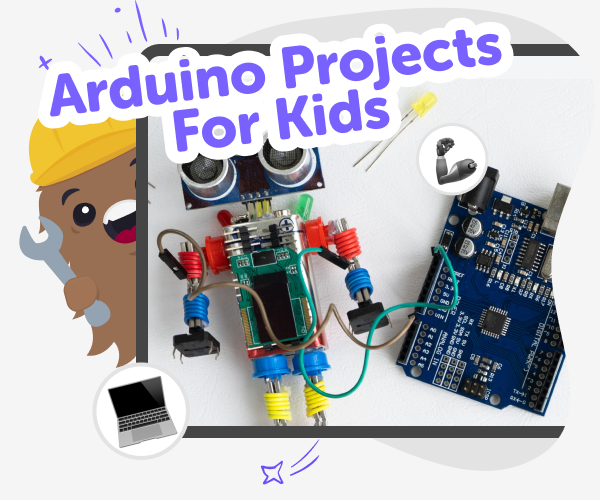
Arduino Projects | Build and Simulate with Vibe Coder
Use Vibe Coder to design, simulate, and build fun, kid-friendly Arduino projects. Safe, guided, and perfect for beginners and curious makers.
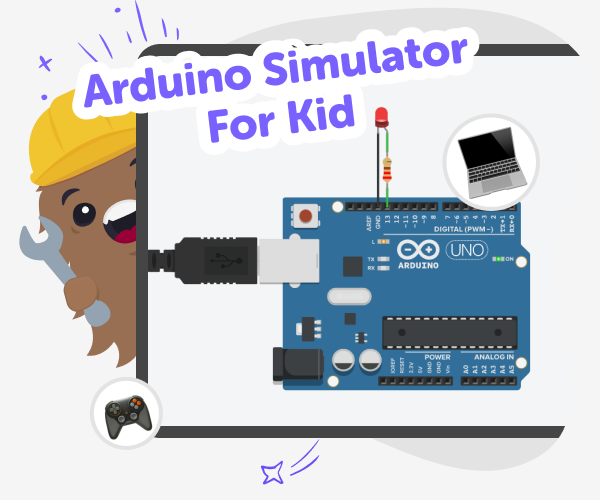
Arduino Simulator for Kids | Vibe Coder
Use Vibe Coder’s Ardu Coder to write, simulate, and learn Arduino code in your browser. A kid-safe Arduino simulator with guided challenges.
ASMR Meaning for Kids | Learn with KidsGPT
Use KidsGPT to learn ASMR meaning, how it works, and why people listen. Kid-safe, friendly explanations and guided prompts for curious kids.
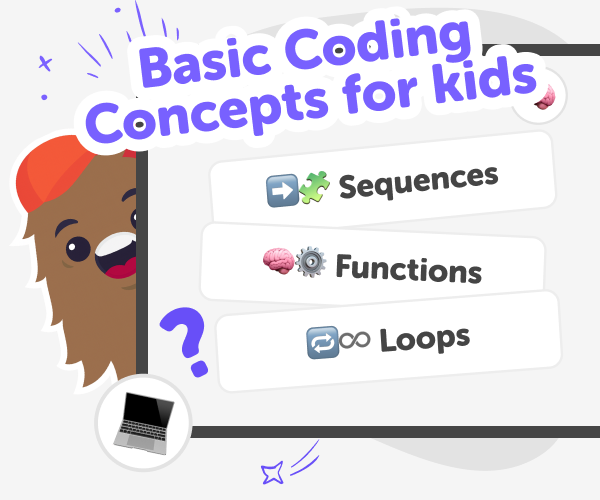
Basic coding concepts for the Classroom with Vibe Coder
Teach basic coding concepts in the classroom using Vibe Coder, a kid-safe classroom coding tool for hands-on projects, live previews, and gentle explanations.
Ready to start creating?
Join hundreds of thousands of kids already building cool stuff on DIY.ORG.