Number Bonds for Kids | Practice with the Six Seven Game
Use the Six Seven Game to practise number bonds and build fast mental addition and subtraction skills with fun, kid-safe math challenges.
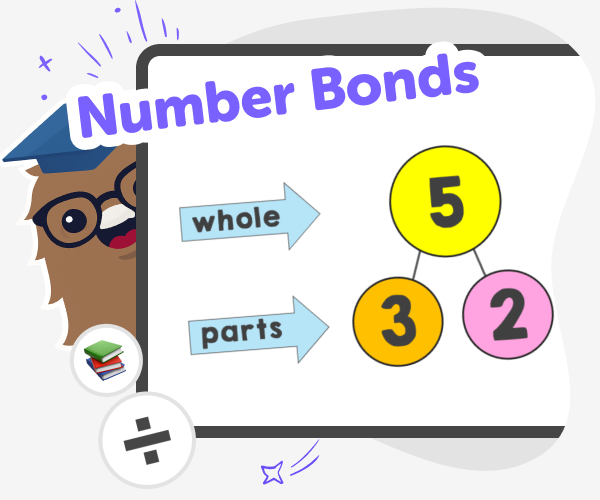
What are Number Bonds?
Number bonds are pairs of numbers that add up to a total and show the part-part-whole idea. Knowing number bonds helps kids split a number into familiar parts, making addition and subtraction quicker and less scary. Instead of treating each problem as brand-new, children spot friendly pairs like 40 + 27 for 67 and use them to solve other questions. Practising number bonds builds mental shortcuts and flexible thinking. It supports adding multi-digit numbers, subtracting by counting up, and spotting numbers that make calculations easier. Number bonds turn numbers into relationships kids can explore through games, drawing, and small challenges.
The Six Seven Game turns number bond practice into a playful puzzle where every equation targets 67. Players fill in missing numbers so the parts add or subtract to the same total, helping children practise decomposing and recombining numbers. Simple modes focus on addition or subtraction while mixed modes show different relationships. Designed for kids, the game uses clear controls and friendly layouts. Modes like Double Blanks and Hero Mode let children progress at their own pace, and sharing is optional with DIY.org’s moderated tools. Six Seven encourages practice, pattern recognition, and confidence without pressure.
Practice Number Bonds with Six Seven Game
Step 1 - Start the Six Seven Game
Open Six Seven Game, choose Classic or an easy mode, and read the problem where you must make the result equal 67.
Step 2 - Find the missing number
Look at the equation and think of a number that makes the parts add or subtract to equal 67; type your answer.
Step 3 - Choose modes to practice
Try Addition Only, Subtraction Only, Plus & Multiply, or Double Blanks to focus on different part-part-whole skills and challenge yourself.
Step 4 - Make the most of Number Bonds
Try different modes Switch modes to practise addition, subtraction, or mixed operations and see how each changes your thinking. Focus on parts When you see a blank, picture the whole and its parts. Break numbers into smaller, easier pieces. Build streaks Aim for steady correct answers to notice improvement. Streaks help encourage regular, short practice sessions. Share and reflect Save results if you have an account and talk about strategies with a parent or teacher to learn from mistakes.
What are number bonds?
How do number bonds help kids learn math?
Is the Six Seven Game safe and suitable for kids?
How can kids practise number bonds with the Six Seven Game?
Frequently Asked Questions
Why 500,000 families trust DIY

Martin
Dad to 2 DIYers
My son loves DIY! He always finds fun projects to do, and we enjoy making things together. It’s a great way to learn, create, and have fun at the same time!

Pearl
DIYer from USA
DIY is such a great app with really sweet people and moderators who always make sure this app is super safe. You can learn to create things or learn drawing techniques - honestly there is so much to do.

Elaine W.
Middle school teacher
I love logging onto DIY every day - not just for projects but to also look at the comments my kids share about each other's work. It's a brilliant way to foster healthy support systems!

Jenn L.
Mom to 3 DIYers
We absolutely love the DIY platform and its endless river of creative adventures and projects! We always have the best time together participating, learning and creating!
