Your Pro-tips for Speaking in Public
Practice and improve public speaking by preparing a short speech, using breathing exercises, practicing gestures, and receiving friendly feedback from peers or family.
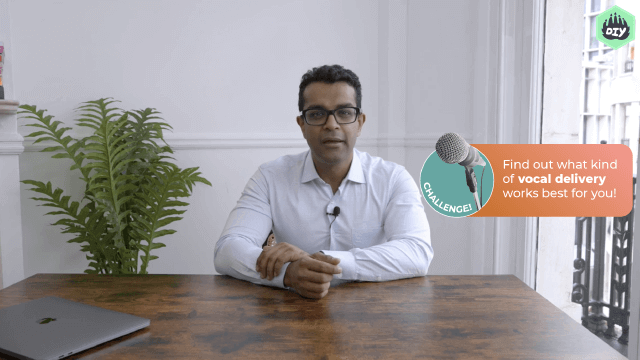
About this activity
Practice and improve public speaking by preparing a short speech, using breathing exercises, practicing gestures, and receiving friendly feedback from peers or family.
What you need
Step by step
- 1
Step 1
Pick a short, fun topic you care about like your favorite game or a pet.
- 2
Step 2
Write one clear sentence that says the main idea of your speech.
- 3
Step 3
List three short points that support your main idea, one point per line.
- 4
Step 4
Write one sentence that will be your opening to grab attention.
- 5
Step 5
Write one sentence that will be your closing to finish strong.
- 6
Step 6
Write a few key words from each point on three separate index cards.
- 7
Step 7
Do five slow deep breaths counting in for four hold for two and out for six.
- 8
Step 8
Stand in front of the mirror and practice your opening using natural hand gestures.
- 9
Step 9
Deliver your whole speech out loud while using your index cards as cues.
- 10
Step 10
Time your speech with the timer and note how long it takes.
- 11
Step 11
Invite one family member or friend to watch your speech.
- 12
Step 12
Ask the person watching to tell you one thing they liked and one thing to improve.
- 13
Step 13
Change one part of your speech using the feedback you received.
- 14
Step 14
Rehearse the improved speech one last time and time it again.
- 15
Step 15
Share your finished speech and what you learned on DIY.org.
Fun facts
How do I help my child practice and improve public speaking?
Start by choosing a short, familiar topic and help your child write a 1–2 minute speech on index cards. Teach simple breathing exercises (deep belly breaths) before speaking, and practice gestures and eye contact. Rehearse in front of a mirror, then record with a phone or present to a small family audience. Use friendly feedback (“two stars and a wish”) and repeat short practices to build confidence and reduce nerves.
What materials do I need for a child’s public speaking practice?
Gather a few index cards or a single sheet for notes, a pen, a timer or stopwatch, and a phone or tablet for recording. Add a mirror or small “stage” area (a rug or chair), simple props related to the topic, and a feedback checklist for peers or family. Comfortable clothing and a reward system (stickers or praise) help make practice positive and motivating.
What ages is this public speaking activity suitable for?
Suitable for preschool through teens with age-appropriate expectations. Ages 3–5 do short show-and-tell (30–60 seconds). Ages 6–8 try 1-minute speeches with gestures. Ages 9–12 can prepare 1–2 minute pieces with basic structure. Teens refine delivery, pacing, and content for longer talks. Always supervise, keep sessions short, and provide supportive feedback.
What are the benefits and safety tips for practicing public speaking with kids?
Benefits include improved confidence, clearer speech, better organization, and coping skills for nerves. It also boosts listening and peer feedback abilities. For safety, create a supportive environment—no humiliating critiques—limit audience size, supervise physical stage setups, and teach breathing exercises to manage anxiety. Keep sessions brief and positive so practice stays fun and encouraging.
Watch & Learn
Need help?
What can we use instead of index cards, a timer, or a mirror if we don't have them?
If you don't have index cards use small pieces of printer paper or sticky notes for 'a few key words from each point', use a phone or kitchen timer for timing the speech, and practice your opening in a window reflection if you don't have a mirror.
What should we do if we get nervous, lose our place, or the speech goes too long?
If you forget your speech while delivering it, put only a few key words on each index card and glance down, slow your pace, and use your five slow deep breaths (count in 4, hold 2, out 6) before starting to steady nerves and keep to the timer.
How can this activity be changed for younger children or older kids?
For younger kids, let them draw pictures instead of writing the three short points and have a parent act as the invited family member, while older kids can expand to a longer three-minute speech, replace index cards with bullet-point slides, and post their polished talk on DIY.org.
How can we make the speech more interesting or show progress after practicing?
To enhance the speech, add a simple prop related to your favorite game or pet, record yourself on a phone while standing in front of the mirror to review gestures, ask the watcher for written feedback beyond one thing to improve, and then share the final video on DIY.org to show what you learned.