Visit a real dig site
Visit a real archaeological dig site to observe excavation techniques, learn tool use and safety, record findings, and ask questions to researchers.


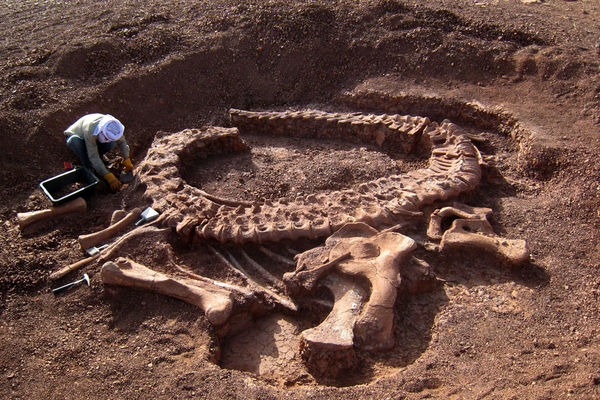

Step-by-step guide to visit a real archaeological dig site
Create and Excavate a Dig Site Quick Tutorial - Kids Activity
Step 1
Ask an adult to help you find a local archaeological dig that allows visitors.
Step 2
With the adult contact the dig site to arrange a visit and learn the visitor rules.
Step 3
Pack your materials into your small backpack.
Step 4
Put on your closed-toe shoes.
Step 5
Put on your hat.
Step 6
Travel to the dig site with your adult.
Step 7
Check in with the site staff and show any permission or tickets you brought.
Step 8
Attend the site safety briefing and listen quietly to all instructions.
Step 9
Only touch tools or the excavation area if a researcher invites you to do so.
Step 10
Watch researchers demonstrate excavation techniques from the viewing area.
Step 11
Observe a researcher demonstrate how they use one digging tool.
Step 12
Write one clear sentence in your notebook about what you saw the researcher do.
Step 13
Sketch one tool or one interesting find in your notebook.
Step 14
Ask at least three thoughtful questions to the researchers about their tools or discoveries.
Step 15
Share your finished field notes and sketches on DIY.org.
Help!?
What can we use if we don’t have a small backpack, hat, or a proper notebook for the visit?
Use a sturdy tote or fanny pack to pack your materials for the "Pack your materials into your small backpack" step, a baseball cap or bandana for the "Put on your hat" step, and a folded sheet of paper clipped to a hardback book with a pencil for the "Write one clear sentence in your notebook" and sketch steps.
What should we do if researchers are too busy and we can’t see a live tool demonstration?
If you can’t watch the demo described in "Watch researchers demonstrate excavation techniques" or "Observe a researcher demonstrate how they use one digging tool," ask site staff at check-in for the next scheduled demonstration or request a brief viewing from the designated viewing area so you can still write your sentence and make a sketch.
How can this activity be adapted for younger kids or older children with more skills?
For younger children, have an adult help with check-in, carry materials, and write or sketch under "Write one clear sentence" and "Sketch one tool" while aiming for one question instead of three, and for older kids add measurements, labeled sketches, and extra questions about context to share on DIY.org.
How can we extend or personalize the visit beyond the basic instructions?
Enhance the activity by taking a photo of the digging tool during the demonstration, measuring its length to add to your sketch in the notebook, researching one related artifact before posting, and combining photo, sketch, measurements, and at least three questions into your DIY.org submission.
Watch videos on how to visit a real archaeological dig site
DIY @Home Children's Activity: Make your own archaeological dig
3 Videos
DIY @Home Children's Activity: Make your own archaeological dig
What is Archeology? (for kids) | Introduces students to the field of archeology | Lesson Boosters
All About Archaeology | Nat Geo Kids Archaeology Playlist
Facts about archaeological fieldwork for kids
🏺 Some archaeological digs uncover items older than 10,000 years, like pottery and ancient tools.
🛠️ Archaeologists use small tools—trowels, brushes, and dental picks—so fragile finds don’t get damaged.
📸 Every find is photographed, measured, and recorded; the notes can be more important than the object itself.
🌍 There are millions of archaeological sites around the world, but only a tiny fraction have been fully excavated.
🧭 Soil layers (strata) act like a time‑book: deeper layers generally hold older artifacts.
How do I take my child to a real archaeological dig site to learn excavation techniques?
What materials should we bring for a child visiting an archaeological dig site?
What ages are suitable for visiting a real archaeological dig site with kids?
What are the benefits and safety tips for taking children to archaeological dig sites?
