Tune your instrument
Tune a simple string instrument (ukulele or guitar) using a tuner or tuning app, learning to match pitches and adjust strings by ear.


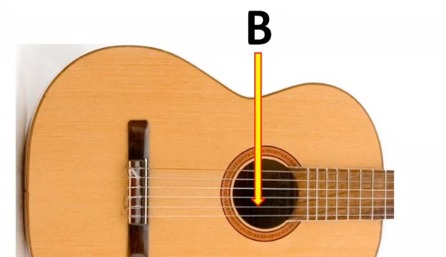
Step-by-step guide to tune your instrument
Introduction to Musical Instruments for Kids | Mom Approved Educational Content | First University
Step 1
Sit comfortably and hold your instrument in the normal playing position.
Step 2
Open your tuner app and set it to chromatic mode or to the correct instrument setting.
Step 3
Pluck the top string (the string closest to the ceiling when you hold the instrument) one time.
Step 4
Look at the tuner and see which note it shows for that string.
Step 5
Turn the tuning peg for that string slowly to raise or lower the pitch until the tuner shows the correct note and the indicator is centered or green.
Step 6
Pluck the same string again to check the tuner and make tiny adjustments if needed.
Step 7
Move to the next string below and repeat Steps 3 to 6 for each remaining string until all strings are tuned.
Step 8
Turn on the tuner app’s reference tone feature so you can hear a steady pitch.
Step 9
Listen carefully to the reference tone for one string and focus on how it sounds.
Step 10
Without looking at the tuner, pluck the matching string and try to match its pitch to the reference tone by ear.
Step 11
Turn the tuning peg slowly while listening until the string matches the reference tone by ear.
Step 12
Strum a simple chord or play each open string in order to check the overall sound.
Step 13
If any string still sounds off, re-tune that string using the tuner and your ear.
Step 14
Take a photo or short video of your tuned instrument and share your finished creation on DIY.org.
Help!?
What can we use instead of a tuner app if we don't have one?
If you don't have a tuner app, use a free online chromatic tuner in your phone or computer browser or a pitch pipe/tuning fork to provide the reference tone mentioned in Step 9.
Why won't the tuner center when I turn a peg, and how do I fix it?
If the tuner won't center when you turn a tuning peg, first confirm the app is set to chromatic mode or your instrument (Step 2), then slightly loosen the string, wind it properly around the peg, and re-tune while plucking as in Steps 3–6.
How can I adapt this tuning activity for younger or older children?
For younger kids, have an adult hold the instrument and guide turning the tuning peg while the child listens to the reference tone in Step 9 and practices matching one or two strings, while older kids can tune all strings by ear using Steps 9–12 and check chords in Step 12.
How can we make the tuning activity more fun or personalized before sharing it on DIY.org?
Personalize the activity by adding colored stickers to each string and peg, record a before-and-after short video as required in Step 14, and try an alternate tuning to show a creative variation when you share on DIY.org.
Watch videos on how to tune your instrument
Learning Music - Wind, String, Percussion Instruments for Kids
4 Videos

Learning Music - Wind, String, Percussion Instruments for Kids

Musical Instruments Sounds for Kids | Learn the Voice, Tone, and Melody
Musical Instruments Sounds for Kids to Learn - Videos of Music Instruments HD for Children

Learn About Musical Instruments with The Wiggles 🎸🎶 Wiggle and Learn
Facts about string instrument tuning and ear training
🎸 Ukulele standard tuning is usually G4–C4–E4–A4, while a typical guitar is tuned E2–A2–D3–G3–B3–E4.
🎶 Most tuners use the concert pitch A4 = 440 Hz as the reference note when tuning instruments.
📱 Many tuning apps display how many "cents" a note is off — one cent is 1/100 of a semitone.
👂 With some practice, kids can learn to tune by ear and trained listeners can notice pitch differences of just a few cents.
🌡️ New strings stretch and changes in temperature or humidity can make instruments go out of tune, so retuning is normal.
How do I teach my child to tune a ukulele or guitar?
What materials do I need to tune a simple string instrument?
What ages is tuning a ukulele or guitar suitable for?
What are the benefits of teaching children to tune their instrument?
