Try scat singing
Learn and practice scat singing by improvising playful nonsense syllables, copying rhythms, creating melodies, and recording short vocal solos to explore musical creativity.
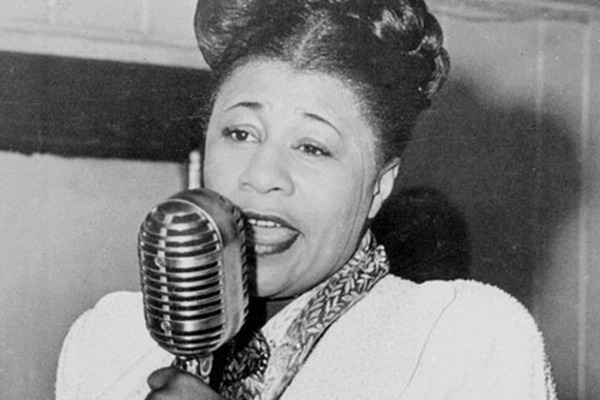
About this activity
Learn and practice scat singing by improvising playful nonsense syllables, copying rhythms, creating melodies, and recording short vocal solos to explore musical creativity.
What you need
Step by step
- 1
Step 1
Find a quiet comfortable spot where you can sing.
- 2
Step 2
Sit in front of a mirror so you can watch your face while you sing.
- 3
Step 3
Take three slow deep breaths to relax your voice.
- 4
Step 4
Hum up and down a simple scale to warm up your sound.
- 5
Step 5
Tap a steady beat on a tabletop with one hand to create a rhythm.
- 6
Step 6
Write 6 to 8 playful nonsense syllables on your paper like doo ba dee bop.
- 7
Step 7
Say each syllable slowly along with the steady beat to learn the timing.
- 8
Step 8
Sing a short two-line scat phrase using the syllables you wrote.
- 9
Step 9
Improvise a new two-line scat phrase using different syllables for fun.
- 10
Step 10
Try singing one of your phrases a little higher or lower to change the melody.
- 11
Step 11
Record one short vocal solo of 15 to 30 seconds using your device.
- 12
Step 12
Play back your recording and pick your favorite take.
- 13
Step 13
Share your finished scat solo on DIY.org.
Fun facts
How do I teach my child to scat sing and practice improvisation?
Start with a short warm-up (hums, lip trills). Play a simple jazz phrase or backing track and listen together. Teach a few syllables (doo, bah, bee, skah) and have the child echo short rhythms. Use call-and-response, then encourage them to combine syllables into short melodies. Keep phrases 2–4 bars, repeat, and gradually lengthen solos. Record short takes to review and celebrate. Emphasize playful exploration, not perfection; clap or tap beats to help rhythm.
What materials or equipment do I need for kids to try scat singing at home?
Almost no special gear is needed: a phone or simple recorder for playback, kid-friendly microphone (optional), speakers or headphones, and a metronome or backing tracks with clear beats. Print or draw simple rhythm cards and a list of syllables to try. A quiet, comfortable space helps. For young children, provide a toy instrument (drum, xylophone) for pulse support. Always supervise device use and keep volumes child-safe.
What ages is scat singing suitable for and how should I adapt it?
Scat singing suits many ages: preschoolers (3–5) enjoy echoing simple nonsense syllables and rhythms. Elementary children (6–9) can improvise short melodic phrases and use call-and-response. Older kids (10–14) can experiment with phrasing, syncopation, and recording longer solos. Adapt complexity, session length, and goals to attention span—keep younger kids in 5–15 minute bursts, and offer more structure for older children to develop skills.
What are the benefits of scat singing for children?
Scat singing builds musical listening, rhythm, and pitch awareness while encouraging creativity and spontaneous expression. It strengthens language skills—vocabulary, syllable timing—and improves memory through imitation. Recording and sharing short solos boosts confidence and performance skills. It’s low-cost, noncompetitive, and supports social interaction through call-and-response games. Regular playful practice also aids breath control and diction, making it a fun way to develop both musical
Watch & Learn
Need help?
What can we use if we don't have a mirror, tabletop, or recording device?
Use a phone or tablet screen as your mirror, tap a knee or a hardcover book instead of a tabletop for the steady beat, and record the 15–30 second solo on a smartphone, tablet, or toy voice recorder.
My child can't keep a steady beat or stay in time with the syllables—what should we do?
If timing is off, slow the tempo, use a metronome or clap-along app while tapping the steady beat from the instructions, and have them hum the scale and say each written syllable slowly along with the beat until their timing improves.
How do we adapt the activity for younger or older children?
For toddlers, write 2–3 simple syllables, do one short phrase and a 5–10 second recording with a parent modeling each step, while older kids can write more than 6–8 syllables, improvise longer two-line phrases, experiment singing a phrase higher or lower, and record the full 15–30 second solo.
How can we extend or personalize the scat singing activity?
Add a simple percussion backing using a tabletop or pots while you tap the steady beat, record several 15–30 second takes to overdub different scat phrases, pick your favorite after playback, and share the finished scat solo on DIY.org.