Tell Us What Is Economics.
Create a mini market using play money, goods, and simple rules to explore buying, selling, saving, and how prices change in an economy.


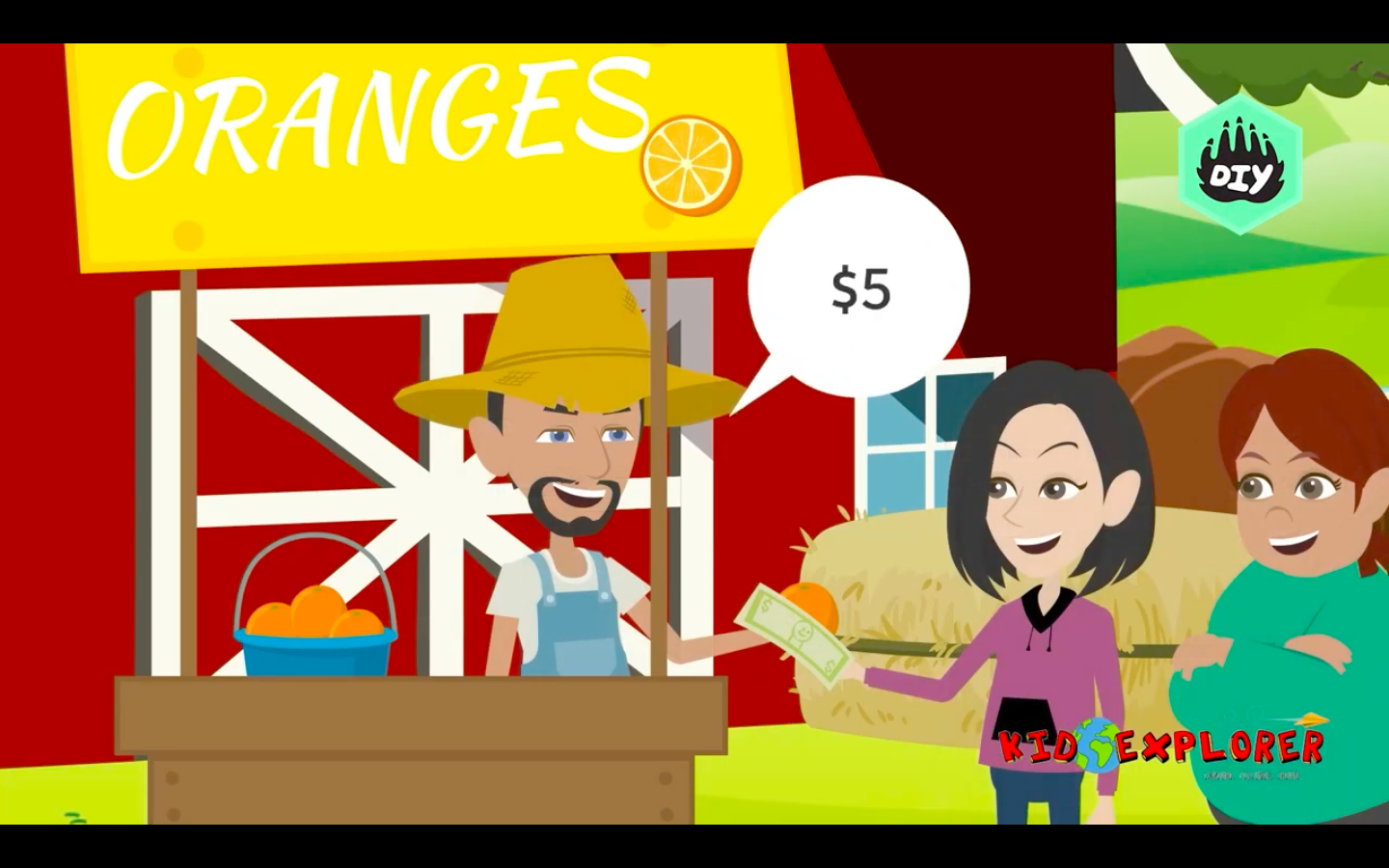

Step-by-step guide to Tell Us What Is Economics
Step 1
Bring all the Materials Needed to your play area so everything is ready in one spot.
Step 2
Pick a small table or rug to be your market space and clear a place for stalls.
Step 3
Choose 6 to 10 small items to sell and place each item on the market space.
Step 4
Make a price tag for each item using paper and sticky notes or tape and stick the tag next to the item.
Step 5
Divide the play money into equal amounts and give each player the same starting cash.
Step 6
Assign roles so one person is the banker some are sellers and some are buyers.
Step 7
Write three simple market rules on paper such as how long each buying round lasts whether bargaining is allowed and how to use the bank.
Step 8
Start Round 1 and let buyers pick items to purchase then pay the seller the price shown on the tag.
Step 9
After Round 1 remove or add one item from the stalls to change supply and make the market different.
Step 10
Ask sellers to change their price tags based on the new supply and update the tags on the items.
Step 11
Run Round 2 of buying and selling with the updated prices then stop when everyone has had a turn.
Step 12
Count each player’s money and write down who saved the most who earned the most and which prices went up or down then share your finished mini market and what you learned on DIY.org.
Help!?
What can we use if we don't have play money or sticky notes?
If you don’t have play money, cut index cards or use coins from a board game as cash, and if you lack sticky notes make price tags from small pieces of paper secured next to each item with tape or stickers.
What should we do if price tags fall off or kids argue about payments during a round?
Secure price tags with tape or clear packing tape and reduce disputes by having the banker record each transaction and using a timer for round length as written in your market rules.
How can we adapt the market game for younger or older children?
For younger children use fewer items, picture price tags, and very short rounds with no bargaining, and for older kids increase items, allow bargaining, introduce interest or taxes, and require sellers to update price tags after the supply change.
How can we extend or personalize the activity to make it more engaging or educational?
Make the market more advanced by adding supply-change cards for Round 1, having sellers create stall posters, keeping a ledger when you count each player’s money, and sharing the finished mini market and lessons on DIY.org.
Watch videos on how to Tell Us What Is Economics
Intro to Economics: Crash Course Econ #1
3 Videos
Intro to Economics: Crash Course Econ #1
#2 A Level Economics - The allocation of resources 💰
Economic Resources?|Topic|(Basic Economics )
Facts about basic economics for kids
🏪 Markets have been around for thousands of years — ancient marketplaces let people swap goods long before banks existed.
🪙 Early coins were first used around the 7th century BC in Lydia (modern-day Turkey), helping money spread as a handy trade tool.
📈 When lots of kids want the same toy but there are only a few, the "price" usually goes up — that's supply and demand in action.
💰 Saving some of your play money lets you buy bigger items later — that’s a simple way to learn about saving and goals.
🤝 Barter means trading items directly — people still swap goods or services today when money isn't used.
How do you set up a mini market to teach kids about economics?
What materials do I need to make a mini market with play money?
What ages is this mini market activity suitable for?
What are the benefits of creating a mini market to teach economics?
