Tell a Story Using a Collage
Create a picture collage that tells a short story using magazine images, paper, and glue; arrange scenes, add captions, and share your tale.
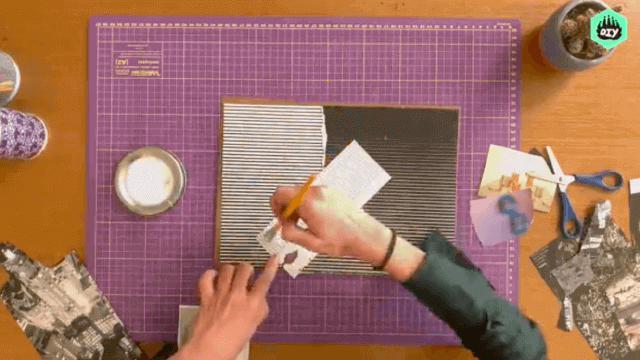
About this activity
Create a picture collage that tells a short story using magazine images, paper, and glue; arrange scenes, add captions, and share your tale.
What you need
Step by step
- 1
Step 1
Clear a table or desk so you have a clean flat workspace.
- 2
Step 2
Lay out your magazines scissors glue paper and colouring materials where you can reach them.
- 3
Step 3
Flip through the magazines to find pictures that could be characters places or objects for your story.
- 4
Step 4
Cut out the pictures you like with scissors and set them on your workspace.
- 5
Step 5
Choose which pictures will be your beginning middle and end scenes.
- 6
Step 6
Arrange the cut-out pictures on the paper in the order you decided without gluing them yet.
- 7
Step 7
Glue the background pieces down first so your scenes have a place to start.
- 8
Step 8
Glue characters and smaller objects on top of the backgrounds to build each scene.
- 9
Step 9
Use your colouring materials to add drawn details like skies trees roads or magic sparkles.
- 10
Step 10
Write a short caption or speech bubble for each scene to tell what is happening.
- 11
Step 11
Add a title at the top and sign your name at the bottom of your collage.
- 12
Step 12
Share a photo of your finished collage and your story on DIY.org
Fun facts
How do I tell a story using a collage?
Start by choosing a simple story idea with a beginning, middle, and end. Collect magazines, photos, and colored paper, then cut or tear images that match each scene. Arrange images into panels on a sheet of paper, glue them down, and add backgrounds with markers. Write short captions or speech bubbles under each panel. Let the collage dry, then have your child share or record the story while showing the finished panels.
What materials do I need to make a picture collage story?
You’ll need old magazines or printed images, a sturdy sheet of paper or poster board, child-safe scissors, and a glue stick or school glue. Add markers or crayons for captions, optional stickers, colored paper, and a ruler for panel lines. Protect your surface with newspaper or a craft mat and keep wet wipes handy. Adults should supervise scissors and small pieces for safety.
What ages is this collage storytelling activity suitable for?
This activity works for toddlers through teens with adjustments. Toddlers (2–4) can tear paper and glue with close supervision; preschoolers (4–6) can cut simple shapes and add captions with help. Elementary kids (6–10) can plan scenes, sequence panels, and write short captions independently. Older children and teens can create detailed or multi-page narratives. Adapt complexity to each child’s fine motor and reading level.
What are the benefits of making collage stories (and fun variations)?
Collage storytelling boosts creativity, vocabulary, and narrative skills as children choose images and describe scenes. It strengthens fine motor skills from cutting and gluing, improves sequencing and planning, and encourages emotional expression and confidence when sharing. For variations, try themed prompts, cooperative group collages, multi-page storybooks, or digital collages using scanned images and apps for a modern twist.
Watch & Learn
Need help?
What can we use if we don't have magazines, scissors, or glue?
If you don't have magazines, print pictures from the internet or cut images from old cereal boxes, use safety or child-friendly scissors or ask an adult to pre-cut images, and replace liquid glue with a glue stick or clear tape when you glue the background pieces down first and add characters on top.
What should we do if pictures keep slipping or ripping when we try to glue them down?
If cut-outs lift or tear while gluing, arrange scenes without glue first, then press glued background pieces and characters firmly with a ruler or the back of a spoon and let them dry before adding colouring details or captions.
How can we change the activity for different ages?
For preschoolers, pre-cut pictures and have them choose and stick backgrounds and characters, while older kids can plan clear beginning-middle-end scenes, add detailed drawn elements and longer captions or speech bubbles.
How can we make the collage more special or extend the story afterward?
To enhance your collage, add 3D materials like fabric or foam on top of glued characters, write extra panels or a booklet version of the beginning-middle-end scenes, photograph each scene, and create a slideshow to share on DIY.org.