Tell a scary story
Write and practice a short scary story, use vivid descriptions and voice, then safely perform it for family or friends to learn storytelling skills.


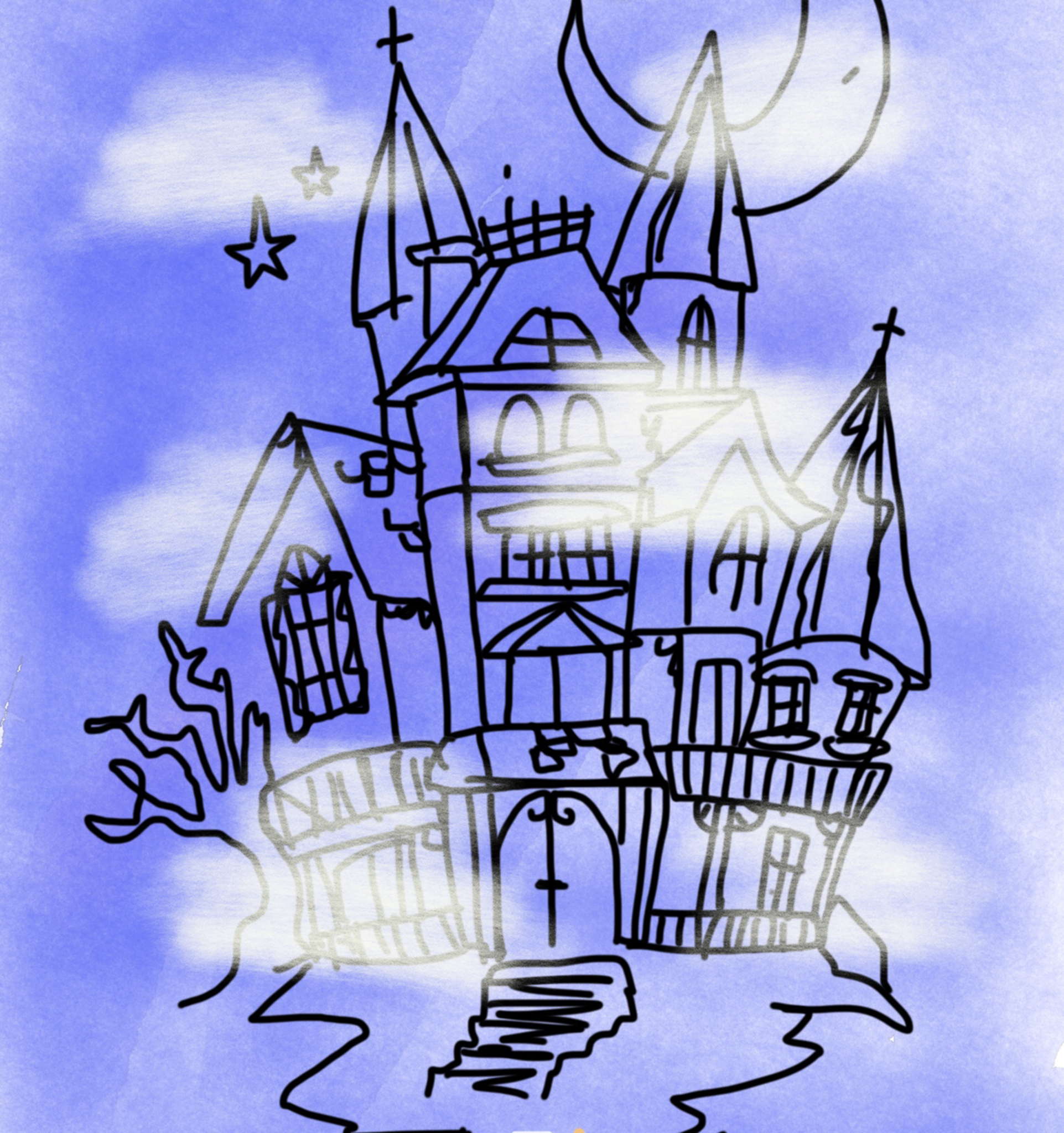

Step-by-step guide to tell a scary story
Top 10 Spooky Stories | Haunted Tales for Kids | Ghost Stories for Children
Step 1
Pick one spooky theme like a haunted house a whispering forest or a creaky attic and say it out loud.
Step 2
Write 8 to 10 scary words or short phrases that describe sounds smells sights and feelings from your theme.
Step 3
Decide who your main character is and write one sentence that names them and says one thing about them.
Step 4
Write one sentence that explains the strange or scary problem your character faces.
Step 5
Write a one-line beginning a one-line middle and a one-line end so your story has a clear path.
Step 6
Use your lines and scary words to write a short story that lasts about one to two minutes when read aloud.
Step 7
Underline or circle at least five words or phrases in your story that use sight sound smell or touch to make it vivid.
Step 8
Mark places in the story where you will whisper pause change your voice or get louder using simple symbols.
Step 9
Read the story aloud slowly using your marks and try to finish in under two minutes.
Step 10
Perform your story for a family member or friend using the flashlight for spooky lighting and your voice for drama.
Step 11
Ask your listeners one thing they liked and one idea to make the story even spookier.
Step 12
Share your finished scary story performance on DIY.org
Help!?
What can we use if we don't have a flashlight or can't access DIY.org?
Use your phone's flashlight or a small lamp draped with a towel for spooky lighting during the performance and record the story to share by email or a private cloud instead of posting to DIY.org.
What should we do if the story keeps running over two minutes or we forget where to whisper or pause?
Time each one-line beginning, middle, and end during practice to trim wording so the read-aloud finishes under two minutes, underline at least five sensory words (step 9) for quick emphasis, and mark vocal cues with simple symbols (e.g., * = whisper, // = pause) so you remember where to change your voice.
How can I adapt the activity for younger or older children?
For younger kids, pick an easy theme, help them write 4–6 sensory words and co-write the one-line beginning, middle, and end so they can perform short lines, while older children can write 10+ scary phrases, add a complex twist to the scary problem sentence, and focus on pacing and vocal dynamics to hit the two-minute goal.
How can we extend or personalize the scary story activity to make it more exciting?
Bring in simple props and sound effects (a bowl of keys for rattling, a creaky chair), color the flashlight with cellophane for mood lighting, invite listeners' suggestions from step 14 to revise the story, and record multiple versions to compare before sharing on DIY.org.
Watch videos on how to tell a scary story
The Haunted House Adventure | Spooky Fun for Kids | Tia & Tofu | Ghost Story | English Story
3 Videos
The Haunted House Adventure | Spooky Fun for Kids | Tia & Tofu | Ghost Story | English Story

The Reflection: Spooky Kids Stories | Tia & Tofu | Haunted Story | English Story for Kids
Halloween Tales of Fun and Frights | Spooky Stories for Children | Halloween Special
Facts about storytelling and public speaking for kids
🎭 Many cultures passed history and lessons by telling stories out loud long before writing existed.
👻 A scary story can make your heart race — your body reacts even though you know you're safe, which makes spooky tales exciting.
🕯️ Edgar Allan Poe wrote famous short horror stories like "The Tell-Tale Heart" that show how voice and vivid detail build chills.
🔊 Practicing your story out loud helps you find your best voice, add dramatic pauses, and make performances smoother and more confident.
🔥 Campfire and sleepover traditions spread spooky tales — some popular ghost stories began as oral campfire legends.
How do you write and perform a short scary story for kids?
What materials do I need to tell a short scary story with my child?
What ages is telling a short scary story suitable for?
What are the benefits and safety tips for kids telling scary stories?
