Swim in an ocean
Swim safely at a supervised beach with an adult, wear a life jacket if needed, learn about waves, currents, and respecting marine life.
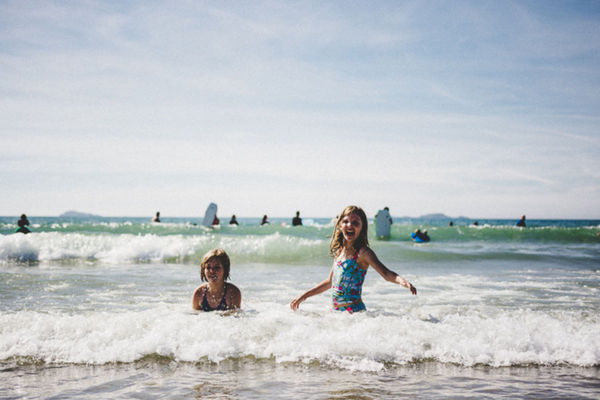
About this activity
Swim safely at a supervised beach with an adult, wear a life jacket if needed, learn about waves, currents, and respecting marine life.
What you need
Step by step
- 1
Step 1
Ask an adult to take you to a supervised beach where a lifeguard is on duty.
- 2
Step 2
Look at the beach warning flags to see the current water conditions.
- 3
Step 3
Ask the lifeguard whether it is safe to swim today.
- 4
Step 4
Apply sunscreen to all exposed skin.
- 5
Step 5
Put on your sun hat.
- 6
Step 6
Put on a properly fitted life jacket if you are not a strong swimmer or the lifeguard suggests it.
- 7
Step 7
Walk to the water's edge and watch the waves for a few minutes to learn their pattern.
- 8
Step 8
Stand in shallow water and feel how small waves move your feet.
- 9
Step 9
Practice floating on your back in shoulder-deep water with the adult close by.
- 10
Step 10
Enter the water only when the lifeguard gives permission.
- 11
Step 11
Stay within arm's reach of the adult if you are still learning to swim.
- 12
Step 12
If a wave knocks you down, surface quickly.
- 13
Step 13
Look for rip currents by spotting churning water or a fast channel moving away from shore and avoid those areas.
- 14
Step 14
Keep a safe distance from marine animals and do not touch or remove shells or plants.
- 15
Step 15
Share your finished creation on DIY.org.
Fun facts
How do you swim safely in the ocean with a child?
To swim safely with a child at the ocean, choose a beach with a lifeguard and check warning flags and local conditions first. Stay inside designated swimming areas and keep young children within arm’s reach. Use a US Coast Guard–approved life jacket if the child isn’t a strong swimmer. Teach them about wave timing and rip-current avoidance (swim parallel to shore), take frequent breaks, watch for marine life, and have a phone and first-aid kit nearby.
What materials do I need for a child to swim at the ocean?
Bring a well-fitting swimsuit, towel, hat, and reef-safe sunscreen (SPF 30+), plus goggles and water shoes for rocky beaches. Pack a USCG-approved life jacket for weak swimmers and a whistle for emergencies. Also bring drinking water, snacks, basic first-aid supplies, a charged phone, and shade like a beach umbrella. Avoid inflatable pool toys as substitutes for life jackets—they aren’t reliable in waves or currents.
What ages is ocean swimming suitable for children?
Ocean swimming can suit many ages with proper supervision: infants and toddlers (0–3) should be in shallow water with an adult and a life jacket; preschoolers (3–5) need constant, arm’s‑reach supervision and basic swim lessons; school-age kids (6+) can enjoy swimming if they have adequate skills and follow safety rules. Always consider each child’s ability, current beach conditions, and lifeguard guidance—never leave a child unattended near water.
What are the benefits of ocean swimming for children?
Ocean swimming builds cardiovascular fitness, strength, balance, and coordination while developing water confidence and swimming skills. It gives sensory experiences (saltwater, waves, sand) that support motor development and mood, and teaches respect for marine life and environmental awareness. Benefits are maximized when accompanied by swim lessons, constant supervision, appropriate flotation for weaker swimmers, and instruction about local hazards and safe behaviors.
Watch & Learn
Need help?
If I can't find a lifeguard or a properly fitted life jacket, what should we substitute?
If a supervised beach with a lifeguard isn't available or you can't find a properly fitted life jacket, postpone swimming and instead go to a public pool with a lifeguard or borrow a Coast Guard–approved, properly fitted life jacket from the beach office or rental shop.
What should we do if the child can't master floating on their back or keeps getting knocked over by waves?
Follow the instructions to practice floating on your back in shoulder‑deep water with the adult close by, have the adult support under the shoulders until the child relaxes and can breathe steadily, and watch the waves from the water's edge to learn their pattern so you enter only when calmer and with the lifeguard's permission.
How can we adapt the steps for toddlers, younger kids, or older children?
For toddlers keep them within arm's reach in shallow water wearing a properly fitted life jacket and sun hat, for younger learners focus on wave-watching and short assisted back-float practice with sunscreen applied, and for older children add reading beach warning flags, asking the lifeguard about rip currents, and practicing spotting churning water from the shore.
How can we extend or personalize the beach swim activity once we've completed the steps?
Personalize the experience by decorating your sun hat or life jacket, keeping a short wave-watch journal that records beach warning flags and wave patterns, practicing longer back floats with the adult nearby, and then sharing your photos or journal entries on DIY.org as suggested.