Start a Discussion on Reptiles
Organize and lead a classroom or family discussion about reptiles, researching types, habitats, and adaptations, then sharing facts and questions.


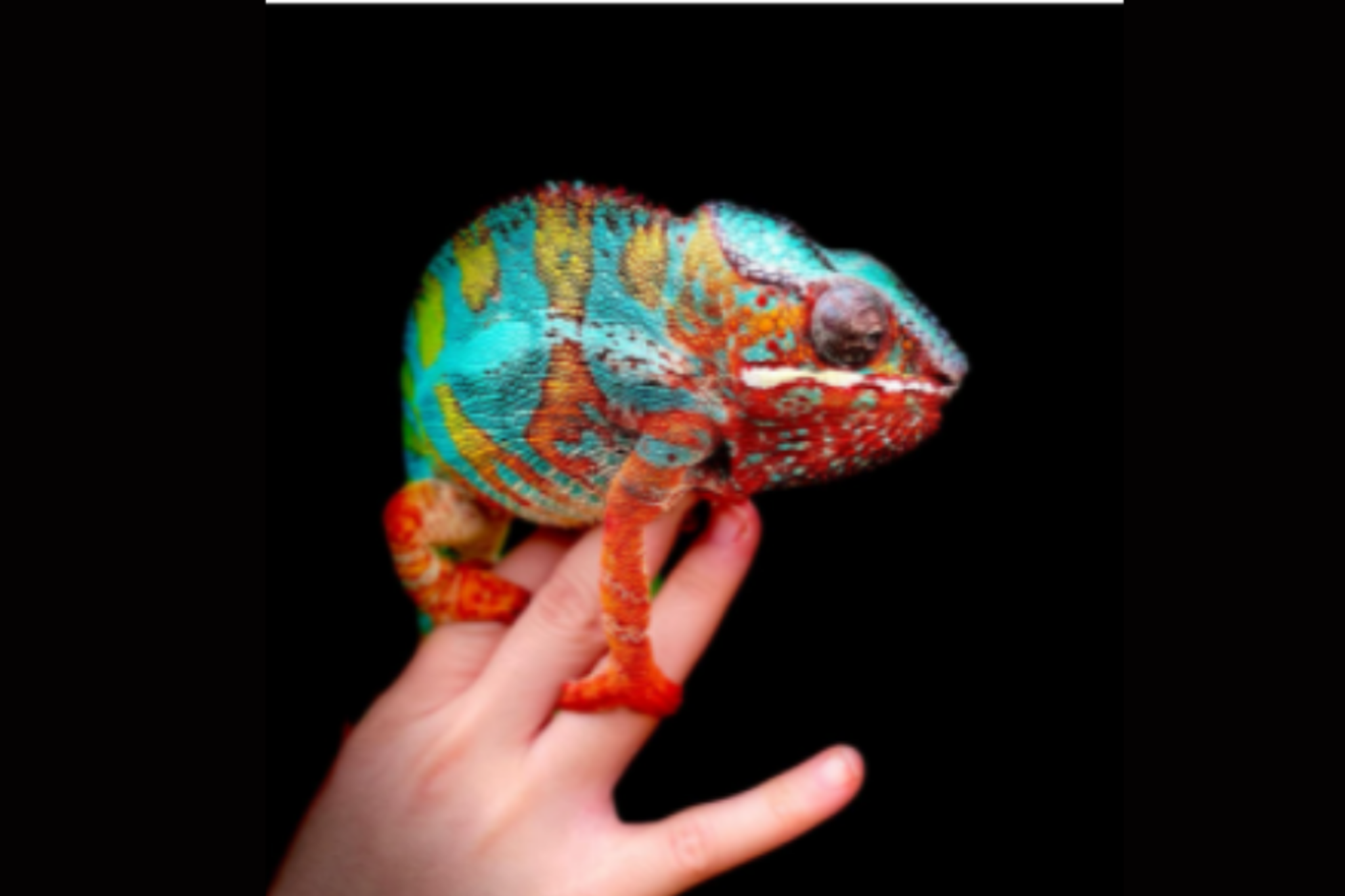

Step-by-step guide to start a discussion on reptiles
All About Reptiles 🦎🐢🐊 - 5 Interesting Facts - Animals for Kids - Educational Video
Step 1
Decide whether you will lead the discussion with your family or your classroom.
Step 2
Pick a date and time for your discussion.
Step 3
Choose three kinds of reptiles to focus on such as snakes turtles and lizards.
Step 4
Find and write down at least two facts about each reptile type you chose.
Step 5
Find and write down at least two facts about where each reptile lives (their habitats).
Step 6
Find and write down at least two facts about how each reptile adapts to survive.
Step 7
Write 5 to 7 interesting facts on index cards to share with the group.
Step 8
Write 3 open-ended questions on separate index cards to ask the group and spark conversation.
Step 9
Make a simple poster or drawing on paper showing one reptile habitat or one cool adaptation.
Step 10
Write a short agenda listing the order of the discussion (welcome facts questions group talk).
Step 11
Invite the people who will join by telling them or giving them a note with the date and time.
Step 12
Set up the discussion space with chairs the poster and your index cards ready to use.
Step 13
Practice leading the discussion once while timing yourself to keep it about 10 minutes.
Step 14
Lead the discussion by sharing your facts showing your poster and asking your prepared questions.
Step 15
Share a photo and a short description of your discussion and poster on DIY.org.
Help!?
What can we use if we don't have index cards, poster paper, or enough chairs?
Use cut-up printer paper or sticky notes for the index cards, a sheet of cardboard or a page from a large notebook for the poster, and arrange floor cushions or a circle on the floor instead of chairs.
What should we do if we can't find facts or the discussion keeps running past 10 minutes?
Use reliable kid-friendly websites or a library for facts, write exactly two facts per reptile on your index cards, set a phone timer during your timed practice, and follow your written agenda to keep the discussion to about 10 minutes.
How can this activity be changed for younger or older children?
For younger kids use pictures on each index card, only one simple fact per reptile, and a large colorful poster, while older kids can add scientific names, habitat maps, and have each student lead a minute of the discussion using the agenda.
How can we extend or personalize the reptile discussion project?
Extend it by making a small habitat diorama to accompany your poster, adding photos or drawings to the index cards, inviting a guest or showing a short video during the talk, and then share the photo and description on DIY.org as instructed.
Watch videos on how to start a discussion on reptiles
REPTILES | INTERESTING FACTS FOR KIDS
4 Videos
REPTILES | INTERESTING FACTS FOR KIDS
Reptiles for Kids | What is a reptile? Learn all about reptiles and their characteristics
Facts about Reptiles - Science With Kids
INTERESTING FACTS ABOUT REPTILES | Educational Video for Kids.
Facts about reptile biology
🐍 Some snakes can smell with their tongues — they 'taste' the air to find food and mates.
🦎 Many lizards can drop and later regrow their tails to escape predators (it's called autotomy).
🐢 Some turtles and tortoises can live for more than 100 years — talk about long-lived classmates!
🌡️ Reptiles are ectotherms, so they rely on the sun and their environment to regulate body temperature.
🥚 Most reptiles lay leathery eggs, though a few species give birth to live young instead.
How do I organize and lead a classroom or family discussion about reptiles?
What materials do I need to prepare a reptile discussion for kids?
What ages is leading a reptile discussion suitable for?
What are the benefits and safety tips for kids researching and leading a reptile discussion?
