Recreate a Vivid Memory Through a Collage
Make a collage that recreates a vivid personal memory using photos, magazine images, fabric, and drawing; arrange, glue, and explain sensory details.


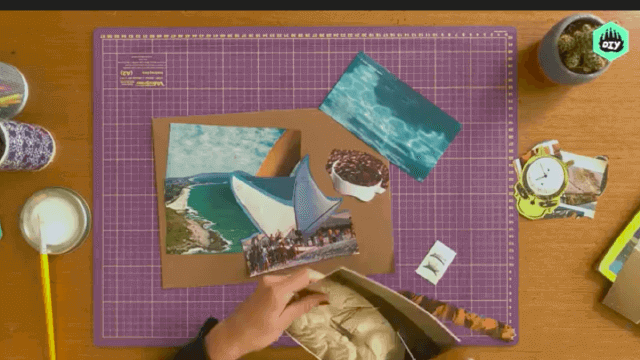

Step-by-step guide to recreate a vivid memory through a collage
Step 1
Sit quietly and choose one vivid memory you want to recreate.
Step 2
Close your eyes for one minute and picture the moment as clearly as you can.
Step 3
Write three sensory details from that memory on a scrap of paper (what you saw heard or smelled).
Step 4
Gather all the materials from the list and bring them to your workspace.
Step 5
Place your sturdy paper or cardstock flat in the center of your workspace to be the base.
Step 6
Flip through photos and magazines and pick images plus fabric scraps that match your memory.
Step 7
Arrange the chosen pictures fabric and any loose pieces on the base without gluing until you like the layout.
Step 8
Cut or trim the pieces you chose so they fit your layout neatly.
Step 9
Glue the pieces to the base one at a time starting with the pieces that will be in the back.
Step 10
Add drawn details and color with your colouring materials to bring your scene to life.
Step 11
Glue your scrap paper with the three sensory words onto the collage near the parts they match.
Step 12
Let your collage dry completely for at least 30 minutes.
Step 13
Write a short explanation on the back or on a small label describing the sensory details and why they matter to your memory.
Step 14
Share your finished collage and the story of your memory on DIY.org
Help!?
What can we use instead of magazines or fabric scraps if those are hard to find?
If you don't have magazines or fabric scraps, print images from the internet, use your own drawings or stickers, or collect textured natural items and then follow the step 'Flip through photos and magazines and pick images plus fabric scraps' to match your memory.
My pieces shift or the layout looks wrong after gluing—how can I avoid this problem?
To prevent shifting and layout mistakes, follow 'Arrange the chosen pictures... without gluing' first, take a photo of the layout, use small glue amounts or low-tack tape while positioning, and glue from back-to-front as instructed.
How can I adapt this collage activity for younger children or older kids?
For younger children, pre-cut images and supervise the 'Cut or trim the pieces' and 'Glue the pieces' steps, while older kids can add detailed drawn elements, layered fabrics, and a longer written explanation on the back as suggested in 'Write a short explanation.'
What are simple ways to make the collage more personal or advanced once it's finished?
Enhance and personalize the collage by gluing the scrap paper with the three sensory words near matching areas, adding small 3D items (buttons, ribbon) before 'Let your collage dry,' or attaching a QR code linking to an audio recording of your memory.
Watch videos on how to recreate a vivid memory through a collage
How to create collage papers that actually work together
4 Videos
How to create collage papers that actually work together
30 simple ways to start a collage
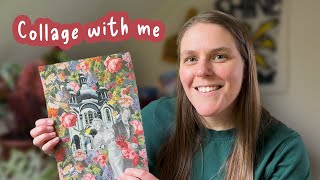
Collage with me! Surreal collage art process
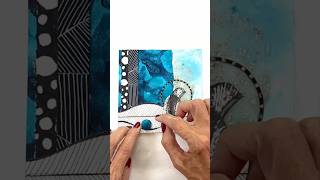
Learn how I create a collage like this and how I turn it into a cohesive series of mini collages!
Facts about collage art for kids
🖼️ The word "collage" comes from the French verb coller, which means "to glue" — perfect for a glue-and-paper project!
✂️ Artists like Picasso and Braque helped popularize collage and photomontage in the early 20th century by mixing real-world materials into paintings.
👃 Smells often trigger the most vivid autobiographical memories — this is called the "Proust effect," named after Marcel Proust's madeleine moment.
🧵 Adding fabric and textured bits to a collage turns it into mixed-media art and gives your memory a tactile, touchable cue.
📸 Including photos in a scrapbook or collage can help you and others remember event details more clearly later on.
How do I help my child recreate a vivid memory through a collage?
What materials are needed to make a memory collage with photos, fabric, and drawings?
What ages is a vivid memory collage activity suitable for?
What are the benefits of making a collage to recreate a vivid memory?
